This comprehensive guide on evaluating lead times when choosing a PP plastic sheet supplier underscores the critical importance of delivery timelines in procurement decisions. The article begins by explaining PP sheets’ widespread applications and how lead times impact project schedules, production efficiency, and overall costs. It analyzes the key factors influencing lead times, including manufacturing complexity, material availability, customization requirements, order quantity, supplier capacity, logistics, and quality control processes. Through a detailed case study of Guangzhou UHMW-PE Co., Ltd., a leading manufacturer of engineering plastics, the article demonstrates how advanced facilities, in-house CNC machining, large-scale production lines, and rigorous quality assurance contribute to shorter and more reliable lead times. The company’s strategic location in Guangzhou and its global export experience also enhance its ability to meet delivery deadlines. Buyers are advised to adopt proactive strategies such as early forecasting, maintaining buffer inventory, building strong supplier relationships, and negotiating explicit lead time commitments. Red flags like vague promises, lack of transparency, and poor communication are highlighted as warning signs. The future of lead time management is discussed in terms of digitalization, additive manufacturing, and sustainability, which are expected to further optimize delivery performance. Overall, the article emphasizes that thorough evaluation of lead time reliability is essential for successful procurement and long-term supply chain stability, encouraging buyers to demand transparency and showcase best practices exemplified by industry leaders like Guangzhou UHMW-PE Co., Ltd.
When sourcing polypropylene (PP) plastic sheets for industrial applications, one of the most critical yet often underestimated factors is the supplier’s lead time. A reliable lead time can mean the difference between a seamless project schedule and costly disruptions. This comprehensive guide explores the nuances of evaluating lead times when selecting a PP plastic sheet supplier, providing actionable insights for procurement professionals, engineers, and business owners. By understanding the factors that influence delivery timelines, the hidden costs of delays, and the strategies to mitigate risks, you can make an informed decision that aligns with your operational needs.
Understanding PP Plastic Sheets and Their Applications
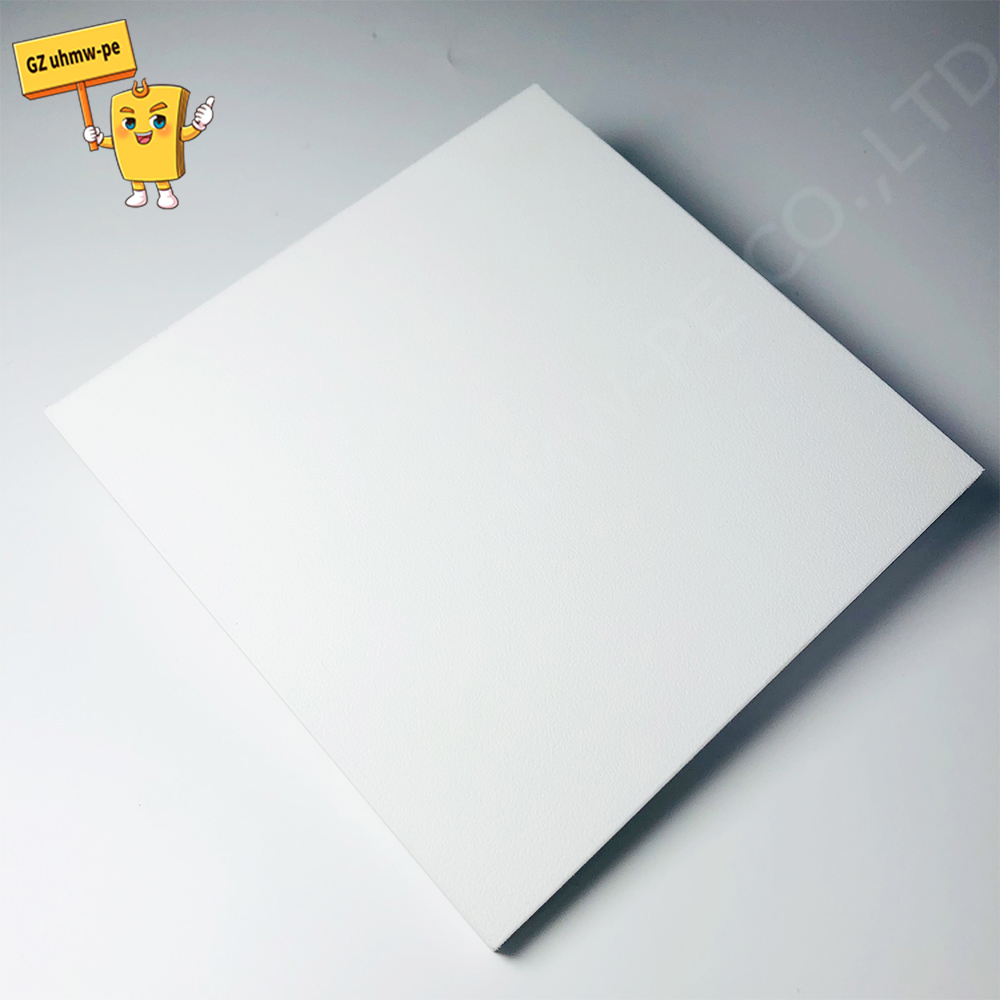
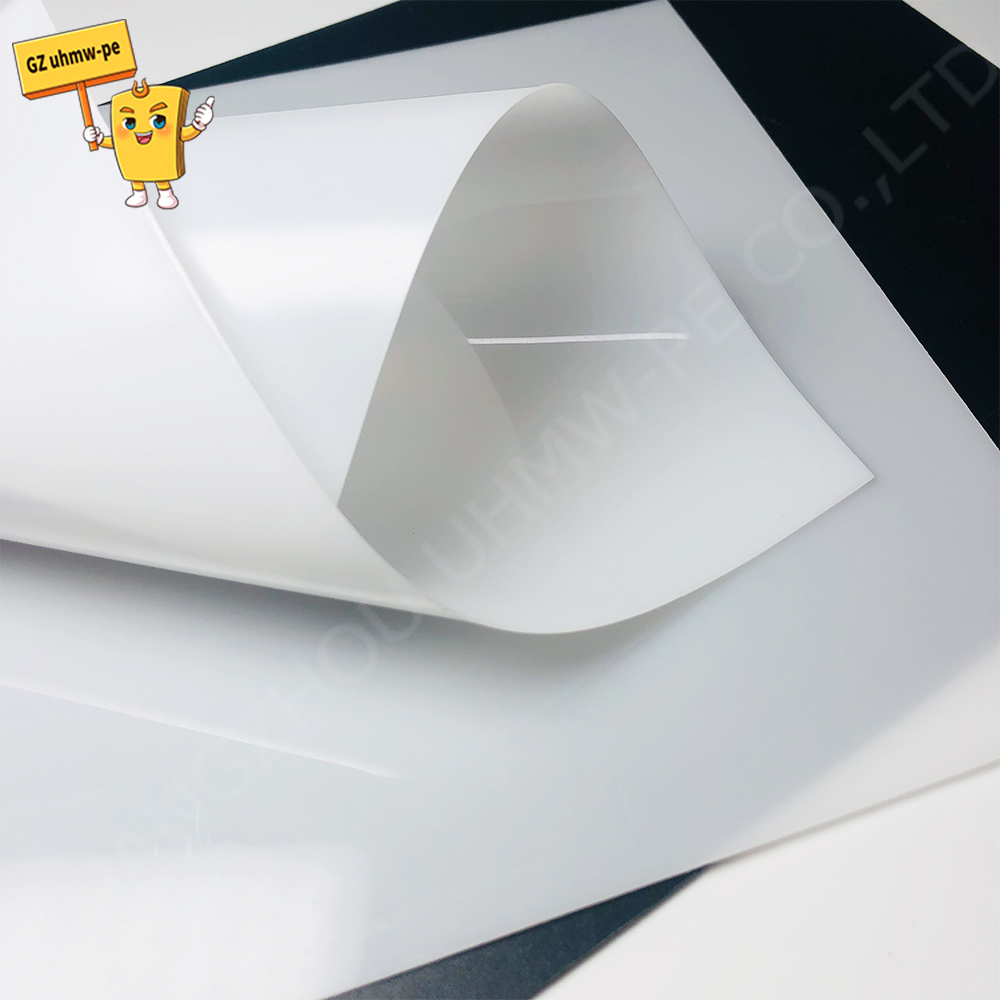
PP plastic sheets are versatile materials known for their excellent chemical resistance, lightweight nature, and high impact strength. They are widely used in industries such as automotive, construction, packaging, food processing, and chemical processing. Common applications include tank linings, machine guards, packaging trays, and corrosion-resistant barriers. The demand for PP sheets has grown steadily due to their cost-effectiveness and recyclability. However, the lead time for these products can vary significantly depending on the supplier’s manufacturing capabilities, inventory levels, and order specifications. For businesses that rely on just-in-time manufacturing or tight project deadlines, understanding lead time dynamics is essential.
Lead time, in the context of PP sheet procurement, refers to the time elapsed from order placement to the moment the product is delivered to the customer’s facility. This duration encompasses order processing, material preparation, production, quality inspection, packaging, and shipping. A supplier’s ability to manage this timeline efficiently is a direct reflection of their operational excellence and supply chain maturity. In this article, we delve into the key considerations for evaluating lead times, emphasizing the importance of transparency, capacity, and strategic planning.
undefined
The Real Cost of Lead Time Delays
Delays in the delivery of PP plastic sheets can have far-reaching consequences beyond the immediate frustration of a missed deadline. Production downtime is perhaps the most tangible cost, as idle machinery and labor translate into lost revenue. For instance, if a manufacturer runs out of PP sheets for forming processes, the entire production line may halt, leading to substantial financial losses. Additionally, delays can force companies to pay for expedited shipping of alternative materials, which often carries a significant premium. In more severe cases, project delays may result in contractual penalties or the loss of future business due to reputational damage. The true cost of a lead time failure is therefore a composite of direct expenses, opportunity costs, and strategic setbacks.
Consider a scenario where a construction company needs PP sheets for a chemical storage tank liner. If the delivery is delayed by two weeks, the installation schedule slips, causing follow-on tasks to be rescheduled, and the entire project may face late completion penalties. Similarly, a food processing plant that uses PP sheets as cutting boards and conveyor guides cannot afford long downtime; even a few days of delay can compromise hygiene compliance and output. The ripple effects of lead time unreliability underscore why procurement teams must thoroughly evaluate a supplier’s delivery capabilities before committing to a contract.
Key Factors That Influence Lead Times for PP Plastic Sheets
To effectively assess a supplier’s lead time, it is essential to understand the various elements that influence it. Manufacturing process complexity is a primary factor. PP sheets can be produced through extrusion, calendering, or compression molding, each with different cycle times and setup requirements. Extrusion, for example, allows for continuous production but may require longer changeover times between different grades or thicknesses. Material availability is another crucial element. If the resin (raw PP) is not in stock, the supplier must order it from upstream petrochemical producers, which can add days or even weeks to the timeline. Customization requirements, such as special colors, UV stabilization, or flame-retardant additives, also extend lead times as they necessitate additional compounding and testing. Order quantity plays a role too; large orders may require dedicated production runs, while small orders can sometimes be processed faster if the supplier keeps standard sizes in inventory.
Supplier’s production capacity and scheduling are equally important. A supplier with old, outdated machinery or poor production planning may have longer queues and less flexibility. Conversely, a modern facility with advanced CNC machining centers and large-scale production lines—like the ones operated by Guangzhou UHMW-PE Co., Ltd.—can often compress lead times by in-house processing and parallel operations. Geographic location and logistics are also decisive. A supplier located closer to the buyer will naturally have shorter shipping times and lower transportation costs. For international procurement, customs clearance and freight forwarding can add unpredictability, making it essential to evaluate the supplier’s export experience and logistics network. Quality control and testing requirements can extend lead times if the supplier performs rigorous inspections, but they also reduce the risk of substandard products arriving on site.
How to Evaluate a Supplier's Lead Time Reliability
Evaluating a supplier’s lead time reliability requires a systematic approach. First, request a detailed lead time quote for your specific requirements, and ask for a breakdown of time components: raw material procurement, production, inspection, packaging, and transit. Avoid vague promises like “around 2-3 weeks” and insist on explicit milestones. Second, inquire about their production planning system. Do they use enterprise resource planning (ERP) software? Can they track real-time order status? Transparency is a hallmark of a reliable supplier. Third, check their inventory levels. A supplier who maintains safety stock of standard PP sheets can often ship immediately, whereas one with zero inventory will need to produce from scratch. Fourth, review their track record by requesting customer references or case studies. Look for testimonials that specifically mention on-time delivery performance. Fifth, assess their capacity for rush orders. A supplier who can accommodate expedited requests demonstrates a level of flexibility and spare capacity that is reassuring. Sixth, consider their proximity to your location. If two suppliers have equal costs and quality, the closer one usually offers shorter and more predictable lead times. Finally, verify certifications such as ISO 9001, which indicates a commitment to consistent processes, and look for third-party test reports from organizations like SGS, ROHS, or FDA, which reflect rigorous quality assurance.
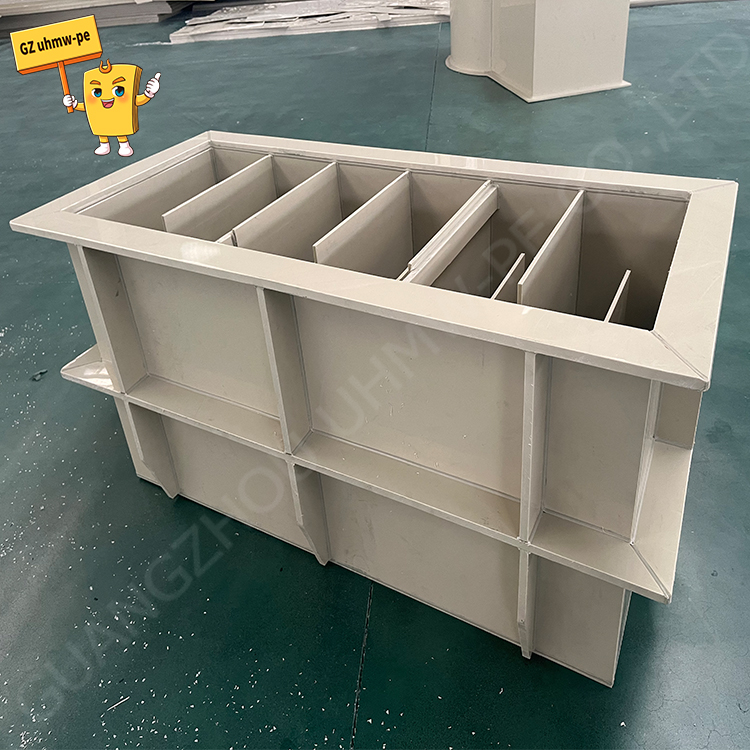
Another critical aspect is how the supplier handles customization. If you require custom-shaped PP parts, the lead time will depend on their tooling and machining capabilities. Some suppliers outsource machining, which adds days for shipping and handling, while those with in-house CNC machining centers can optimize the schedule. Guangzhou UHMW-PE Co., Ltd., for example, offers mold development facilities and CNC machining centers, allowing for one-stop services from material selection to finished product. This not only reduces lead times but also improves coordination and quality control.
The Role of Manufacturing Capabilities in Lead Time Reduction
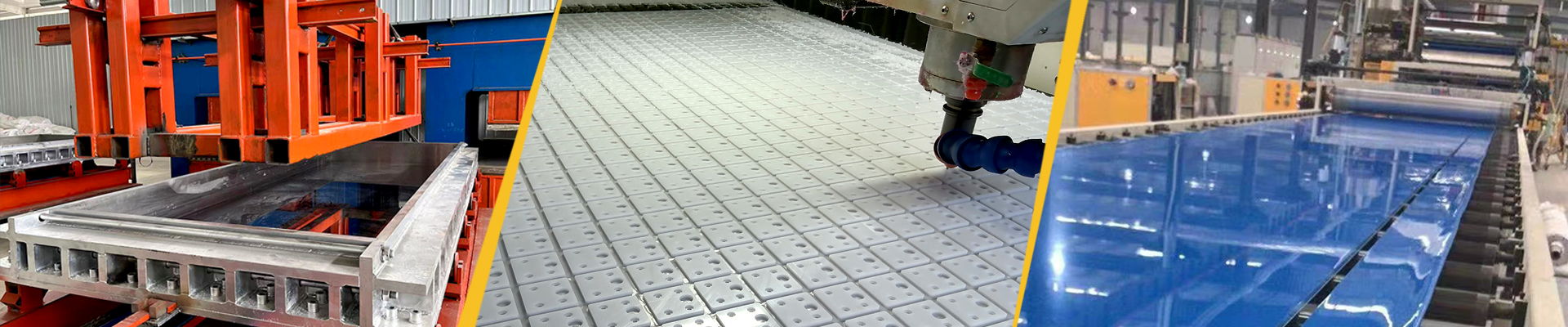
Advanced manufacturing capabilities directly contribute to shorter and more reliable lead times. Suppliers equipped with modern extrusion lines, high-tonnage presses, and large-format sheet production lines can handle large volumes and produce oversized sheets up to 6 meters in length. This reduces the need for joining or splicing, saving time and improving product integrity. Furthermore, automation and in-house finishing operations eliminate the delays associated with outsourcing secondary processes. For instance, a supplier who can extrude PP sheets and also machine them into finished components within the same facility can significantly compress the overall lead time. This is especially valuable for customers who require custom shapes, such as guide rails, star wheels, or wear-resistant liners.
Statistical quality control is another area where advanced capabilities pay off. By using in-house testing equipment and adhering to international standards, a supplier can identify and correct issues early in the production process, preventing costly rework and delays. The ability to provide third-party test reports, such as SGS, ROHS, and FDA, also accelerates end-user acceptance and reduces the time spent on verification. In today’s competitive market, lead time is often a decisive factor, and suppliers who invest in technology and capacity building are better positioned to meet aggressive delivery schedules.
Case Study: How Guangzhou UHMW-PE Co., Ltd. Manages Lead Times Effectively
To illustrate these principles in action, let us examine the practices of Guangzhou UHMW-PE Co., Ltd., a specialized manufacturer and solutions provider in the field of high-performance engineering plastics. Strategically located in Guangzhou, adjacent to the Pazhou International Convention and Exhibition Center, this company has built a strong reputation for quality, reliability, and precision over many years of dedicated service. Their core products include PP sheets, along with a comprehensive range of advanced plastic materials such as UHMWPE, HDPE, Nylon, POM, and PTFE. While the company is perhaps best known for UHMWPE products, their PP sheet offerings follow the same disciplined approach to manufacturing and delivery.
One of the key factors contributing to their reliable lead times is their substantial production capacity. The company operates multiple international-grade extrusion and mould pressing lines, along with large-scale sheet production lines. This enables them to manufacture PP sheets in a wide range of thicknesses and dimensions, including sheets up to 6 meters in length. By handling large orders in-house, they avoid the delays that often plague small converters who rely on external contractors. Additionally, their advanced CNC machining centers, precision saws, and engraving equipment allow them to produce custom parts exactly to specifications, with tight tolerances and quick turnaround. This capability is particularly beneficial for customers who need non-standard sizes or custom-shaped components, as it eliminates the need for third-party machining and the associated logistical delays.
Quality assurance is another pillar of their lead time management. The company operates a rigorous quality management system that governs every step from raw material selection to final inspection. They also provide third-party test reports from SGS, ROHS, FDA, and other organizations, ensuring that products meet international environmental and safety requirements. By maintaining consistent quality, they reduce the risk of shipment rejections and rework, which are common causes of delivery delays. Moreover, their dedicated team of professionals with deep expertise in material science and mechanical processing ensures effective communication and problem-solving throughout the order lifecycle.
Their global supply experience further enhances lead time reliability. With products sold to regions including Southeast Asia, the Middle East, Europe, and the Americas, they have developed mature logistics, packaging, and foreign trade documentation capabilities. This means they are adept at navigating customs clearance, booking freight, and ensuring that documentation is accurate and complete, minimizing unexpected delays at borders. The company’s location in Guangzhou, a major manufacturing and trade hub in China, offers excellent access to ports and transportation networks, enabling efficient international shipping. For domestic customers in China, their proximity to the Pearl River Delta region ensures rapid ground delivery.
Strategies for Minimizing Lead Time Risks
No matter how capable a supplier is, lead time risks can never be fully eliminated. However, buyers can adopt strategies to minimize these risks. Early planning is the most effective tool. By forecasting your material needs well in advance and sharing them with your supplier, you allow them to reserve production capacity and raw materials. Many suppliers offer long-term agreements or blanket orders that guarantee priority production and fixed lead times. Strategic inventory management is another tactic; keeping a buffer stock of standard PP sheets can bridge unexpected delays, especially for critical applications. Supplier relationship building is also essential. When you establish a partnership based on trust and communication, suppliers are more likely to go the extra mile to meet your deadlines. Diversifying your supplier base can protect you against single-source risks, as having a backup supplier can be invaluable during emergencies. Finally, negotiation should include explicit lead time commitments, with penalties for late delivery or incentives for early completion. These terms protect your interests and align the supplier’s incentives with your needs.
Transparency in data and communication is the backbone of these strategies. Modern supply chain management tools enable real-time tracking of orders, and suppliers who share production schedules and potential bottlenecks with their customers foster a collaborative environment. When both sides have visibility into the production process, surprises are minimized. In the event of an issue, early warning from the supplier gives you time to arrange alternative sources or adjust your plans accordingly.
Red Flags to Watch Out For
While evaluating suppliers, certain warning signs should prompt caution. Vague or overly optimistic lead time promises are a major red flag. If a supplier cannot provide concrete timelines or their estimate seems unreasonably short compared to industry norms, be skeptical. A lack of transparency in production status is another concern; if they are reluctant to share progress updates or cannot provide a production schedule, they may be hiding inefficiencies. Frequent delays and excuses, such as “supplier issues” or “machine breakdowns,” indicate poor reliability. Poor communication is also a symptom of a disorganized supplier; if they do not respond promptly to your inquiries, they may also be slow in fulfilling orders. Furthermore, a supplier who has no inventory management system or who consistently operates at full capacity without any spare may struggle to accommodate your orders during peak times. By being vigilant, you can avoid the pitfalls of unreliable suppliers.
The Future of Lead Time Management in the Plastics Industry
The plastics industry is evolving, and so is the management of lead times. Digitalization is playing a pivotal role, with cloud-based ERP systems, IoT-enabled production monitoring, and predictive analytics enabling suppliers to forecast demand and optimize scheduling. This transparency extends to customers through automated order tracking and real-time notifications. Additive manufacturing, or 3D printing, is also beginning to impact the production of custom plastic parts. While not yet mainstream for large-format PP sheets, it offers the potential for on-demand fabrication of prototypes and small batches, drastically reducing lead times for specialized components. Sustainability concerns are driving the use of recycled PP, which may require shorter supply chains and more local sourcing. As environmental regulations tighten, suppliers who can offer regionally produced materials with low carbon footprints may become preferable, and lead times will reflect the reduced transport distances. Looking ahead, the key to minimizing lead times will be a combination of advanced manufacturing technologies, robust supply chain strategies, and close collaboration between buyers and suppliers.
Conclusion
Choosing a PP plastic sheet supplier involves careful evaluation of lead time factors that can impact your project’s success. From understanding the manufacturing processes and material availability to scrutinizing the supplier’s production capabilities and logistics, a thorough assessment ensures you partner with a company that can meet your delivery expectations. By learning from examples like Guangzhou UHMW-PE Co., Ltd., you can recognize the value of advanced facilities, quality assurance, and global supply experience in reducing lead times. Implementing the strategies outlined in this article will help you minimize risks and maintain smooth operations. Remember, a reliable lead time is not a luxury—it is a competitive necessity in today’s fast-paced market. Take the time to evaluate, ask difficult questions, and demand transparency. In doing so, you will secure a supplier that delivers not only quality PP sheets but also peace of mind.
For procurement professionals, the process of evaluating lead times should be as rigorous as assessing price and quality. It requires looking beyond the initial quote and understanding the supplier’s entire operation. When you find a supplier who demonstrates a clear understanding of your needs and has the capacity to respond swiftly, you have found a valuable long-term partner. The effort spent on this evaluation is a small price to pay for the reliability it brings to your supply chain.