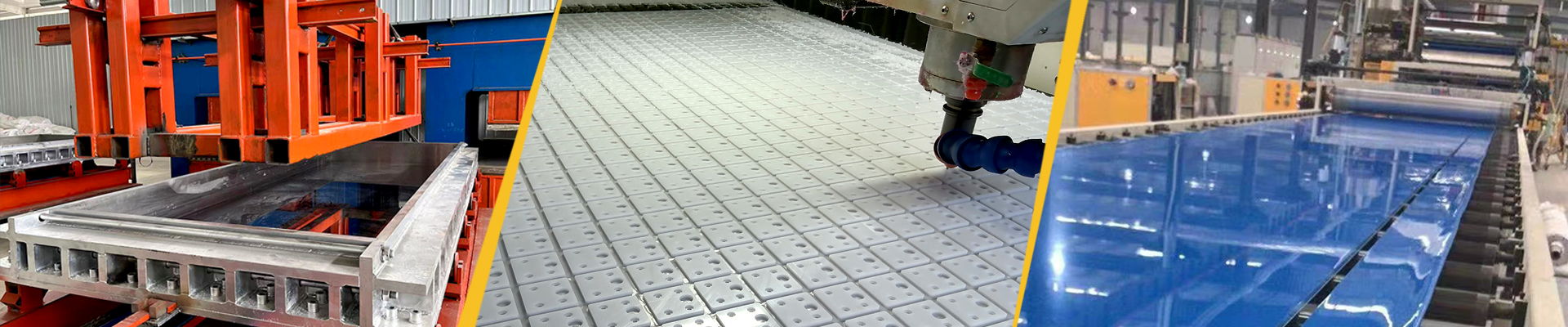
This article provides a comprehensive guide on effectively cleaning and sanitizing HDPE (High-Density Polyethylene) chopping boards to ensure food safety and extend their lifespan. HDPE boards are popular due to their durability, non-porous surface, and resistance to moisture and chemicals, but improper cleaning can lead to cross-contamination. The step-by-step process includes rinsing and scraping debris, washing with mild detergent, disinfecting with a bleach solution or commercial sanitizer, and thorough drying. Deep cleaning with baking soda or lemon can remove stains and odors. In commercial kitchens, color-coded boards and high-temperature dishwashing are recommended. The article emphasizes that material quality matters: food-grade HDPE from reputable manufacturers like Guangzhou uhmw-pe co.,ltd, which complies with ISO, FDA, and SGS certifications, ensures a smoother surface that resists bacteria. Common mistakes to avoid include using abrasive cleaners, prolonged soaking, and failing to sanitize after raw meat. By following these practices, users can maintain hygiene and prolong board life. The article also highlights how Guangzhou uhmw-pe co.,ltd supplies custom-machined HDPE and UHMWPE boards for food processing, backed by third-party test reports and global supply experience.
High-Density Polyethylene (HDPE) chopping boards are a staple in both home kitchens and commercial food processing environments due to their durability, non-porous surface, and resistance to moisture and chemicals. Unlike wooden boards, HDPE does not absorb liquids or harbor bacteria as easily, but improper cleaning can still lead to cross-contamination. This article provides a comprehensive guide on effectively cleaning and sanitizing HDPE cutting boards to ensure food safety and extend their lifespan. We will also highlight how materials from specialized manufacturers, such as Guangzhou uhmw-pe co.,ltd, contribute to producing high-quality food-grade HDPE boards that meet stringent industry standards.
Why HDPE Chopping Boards Need Proper Sanitation
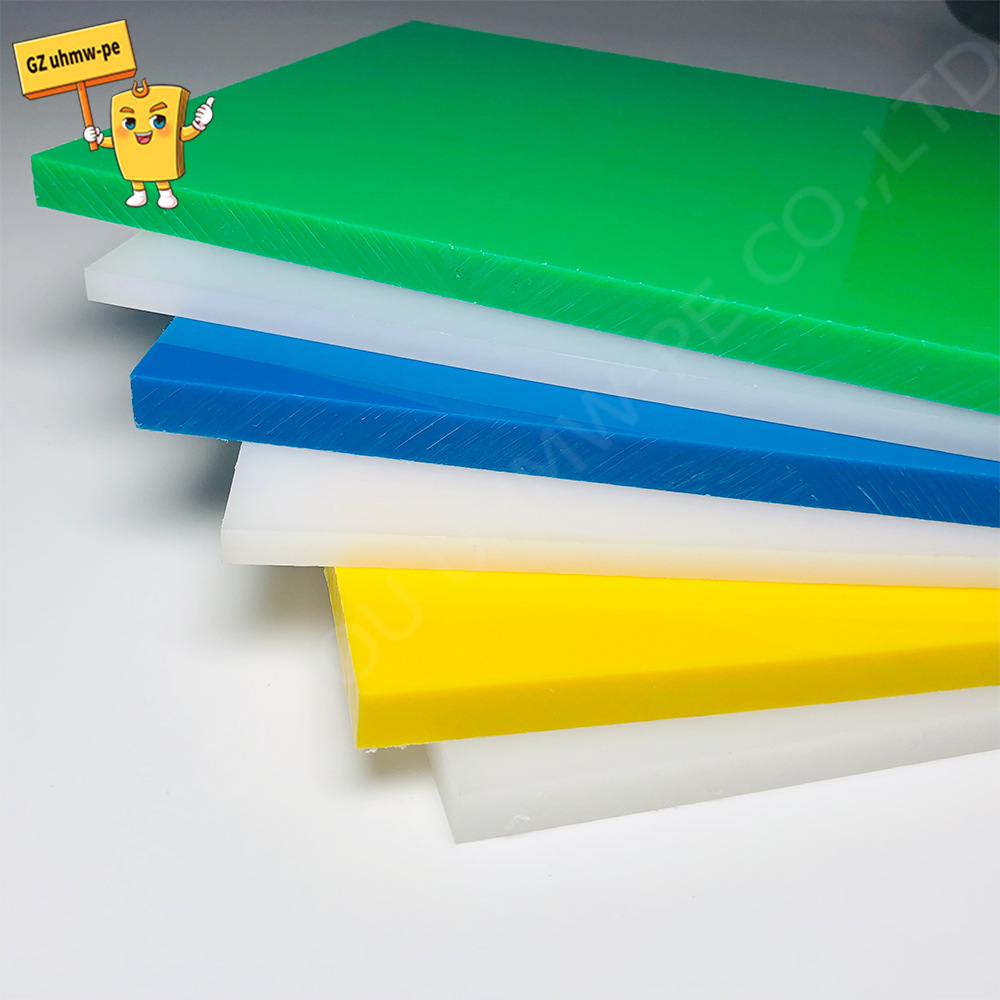
HDPE is a thermoplastic known for its excellent wear resistance, low friction, and chemical stability. These properties make it ideal for cutting boards, as it withstands knife scratches and does not absorb juices from raw meats or vegetables. However, deep grooves from heavy use can still trap food particles and bacteria. Without regular sanitation, these boards can become breeding grounds for pathogens like Salmonella and E. coli. According to industry experts, a rigorous cleaning routine—including both washing and sanitizing—is essential. Many commercial kitchens rely on HDPE boards certified by agencies like FDA and SGS, which ensure the material is safe for direct food contact. Guangzhou uhmw-pe co.,ltd, a specialized manufacturer of engineering plastics, produces HDPE sheets and rods that meet such certifications, often providing third-party test reports to guarantee compliance.
Step-by-Step Cleaning Process
1. Rinse and Scrape
Immediately after use, rinse the board with hot water to remove loose debris. Use a plastic scraper or spatula to remove any stuck-on food. Avoid metal scrapers that can damage the surface. For best results, work under running water at 50–60°C (120–140°F).
2. Wash with Detergent
Apply a mild dish soap or a food-safe detergent to a soft sponge or cloth. Scrub the entire board thoroughly, paying extra attention to knife marks and edges. For heavily soiled boards, let the soap sit for 2–3 minutes. Rinse with hot water until no suds remain.
3. Disinfect with Bleach Solution
Sanitization is critical after cutting raw meat, poultry, or seafood. Prepare a solution of 1 tablespoon (15 ml) of unscented chlorine bleach per gallon (3.8 L) of cool water. Immerse the board or wipe it with the solution, ensuring the surface remains wet for at least 2 minutes. Rinse thoroughly with potable water. Alternatively, use a commercial sanitizer like quaternary ammonium compounds, which are effective without the risk of bleach discoloration. HDPE's chemical resistance allows repeated use of such sanitizers without degradation.
4. Dry Completely
Air-dry the board upright in a well-ventilated area. Do not stack wet boards, as moisture between surfaces can encourage mold. For faster drying, pat with a clean paper towel. Avoid dishwasher cycles unless the board is marked dishwasher-safe, as high heat and harsh detergents may warp thin HDPE boards.
Deep Cleaning and Stain Removal
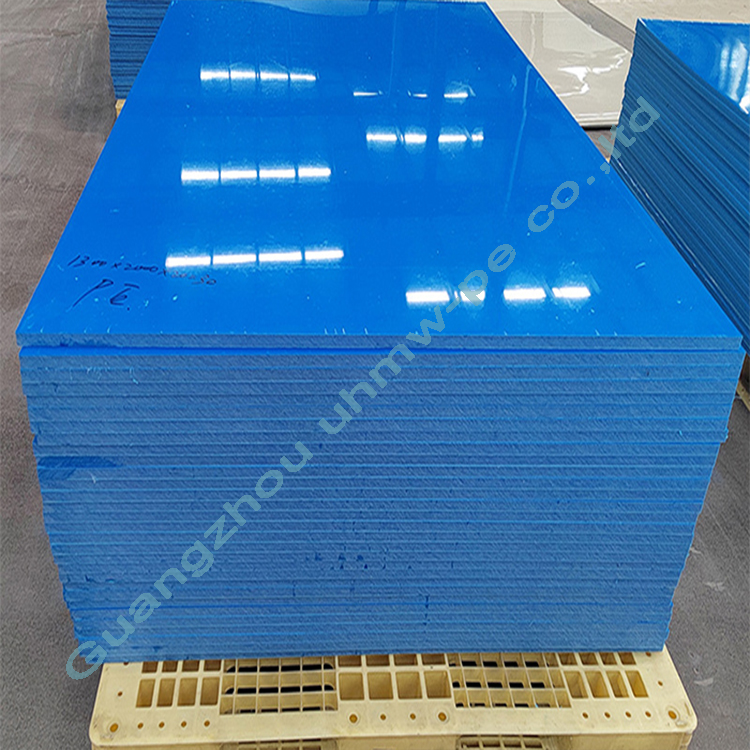
Over time, HDPE boards may develop stains from turmeric, beetroot, or oily residues. To remove stains, create a paste of baking soda and water, apply it to the board, and let it sit for 15 minutes. Scrub gently with a non-abrasive pad, then wash normally. For odor elimination, sprinkle the board with salt and rub with half a lemon—the acidity neutralizes smells, and the abrasiveness of salt lifts residues. Rinse thoroughly afterward. For stubborn stains, hydrogen peroxide (3%) can be applied and left for 10 minutes before rinsing.
Best Practices for Commercial Kitchens
In professional settings, HDPE boards are often color-coded to prevent cross-contamination (e.g., red for raw meat, green for vegetables). Separate boards should be dedicated to each food group. After each use, boards must pass through a commercial dishwasher with a high-temperature rinse cycle (above 82°C/180°F) or be manually sanitized in a three-compartment sink: wash, rinse, and sanitize (using 50–100 ppm chlorine or an approved sanitizer). Regular inspection for deep scratches is vital; heavily scored boards should be resurfaced or replaced. Many facilities source their HDPE cutting boards from reliable manufacturers like Guangzhou uhmw-pe co.,ltd, which offers custom-machined boards with tight tolerances and certified food-grade HDPE. The company’s products—ranging from standard sheets to finished components such as wear strips and guide rails for food processing machinery—are designed to withstand rigorous cleaning protocols while maintaining hygienic surfaces.
The Role of Material Quality in Sanitation
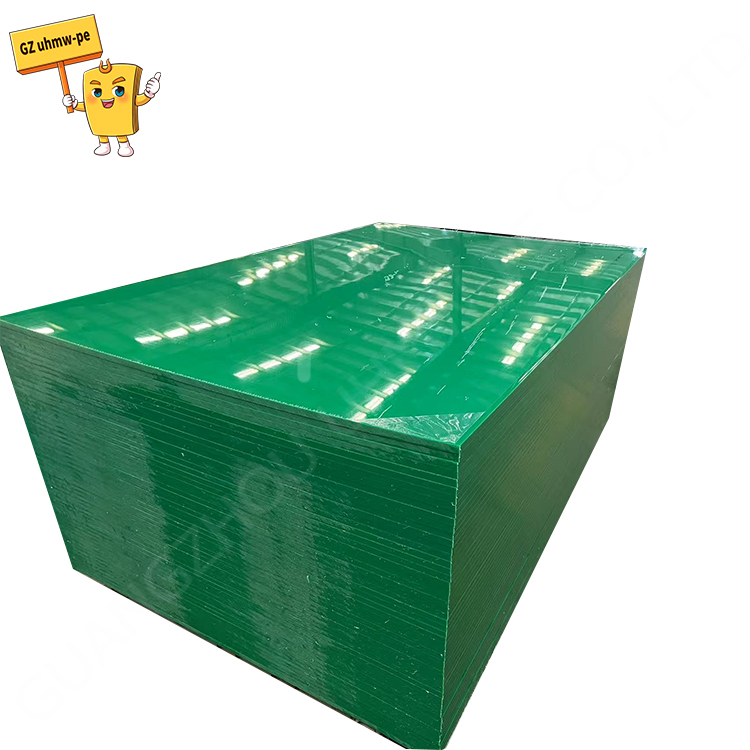
Not all HDPE is created equal. Low-quality boards may contain fillers or recycled materials that create microscopic pores, trapping bacteria. Food-grade HDPE, as produced by Guangzhou uhmw-pe co.,ltd, is manufactured under strict ISO quality management systems and complies with FDA and EU regulations for direct food contact. These boards feature a smooth, non-porous surface that resists bacterial adhesion and is easier to clean. The company also offers UHMWPE (Ultra-High Molecular Weight Polyethylene) boards with even higher wear resistance, ideal for heavy-duty commercial use. When selecting HDPE chopping boards, look for certifications such as FDA 21 CFR 177.1520 and test reports from SGS or ROHS. Proper material selection simplifies cleaning and ensures long-term hygiene.
Common Mistakes to Avoid
- Using abrasive cleaners or steel wool: These scratch the surface, creating grooves that harbor bacteria.
- Soaking boards for extended periods: Prolonged moisture can cause warping or delamination in some composites.
- Mixing raw and cooked food on the same board without sanitizing: Always sanitize after cutting raw protein.
- Neglecting the edges and corners: Bacteria can accumulate in these hard-to-reach areas; use a small brush for cleaning.
Conclusion
Effective cleaning and sanitization of HDPE chopping boards is straightforward when following a systematic routine: rinse, wash, sanitize, and dry. The non-porous nature of HDPE makes it inherently more hygienic than wood, but only if maintained properly. By using high-quality boards from reputable suppliers like Guangzhou uhmw-pe co.,ltd, which supplies food-grade HDPE and custom machining services, users can achieve superior hygiene and durability. Remember that even the best materials require diligent care. Adopting these practices will minimize foodborne illness risks and extend the life of your cutting boards, whether at home or in a professional kitchen.
This article is based on technical specifications from Guangzhou uhmw-pe co.,ltd, a specialized manufacturer of engineering plastics including HDPE and UHMWPE. Their products are used in food processing and packaging industries, meeting FDA and European safety standards.