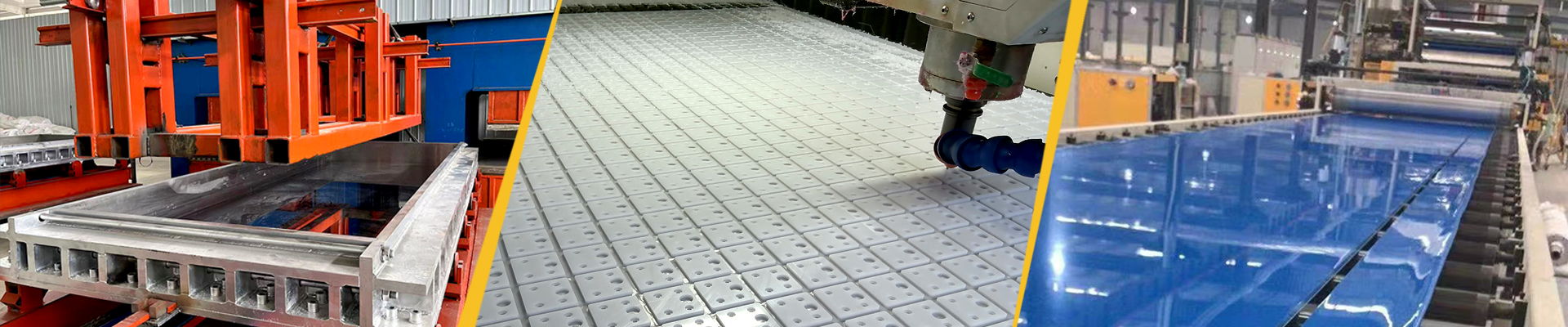
This blog post provides comprehensive machining tips for working with 10 mm thick polypropylene (PP) sheet, a versatile thermoplastic known for its chemical resistance, low density, and fatigue resistance. Key insights include understanding PP's low melting point and thermal conductivity, which necessitate sharp carbide tools, low‑flute counts for chip clearance, and optimized cutting parameters—high feed rates (60–100 IPM) and moderate spindle speeds (12,000–18,000 RPM). The article emphasizes the importance of heat management through compressed air cooling, peck drilling to avoid melting, and proper workholding using vacuum tables or clamps to prevent vibration and distortion. Common pitfalls like melting, burrs, and dimensional inaccuracies are addressed with practical remedies. Advanced techniques such as 5‑axis CNC machining, laser cutting, and waterjet are also discussed. The piece highlights Guangzhou uhmw-pe co.,ltd, a specialist in engineering plastics including UHMWPE, HDPE, and PP, equipped with CNC machining centers and large‑format production lines. Their expertise in material modification, custom part manufacturing, and strict quality control (ISO, SGS, ROHS, FDA) positions them as a reliable supplier for industries requiring durable plastic components. By following these guidelines, fabricators can achieve professional results for applications like chemical tanks, guide rails, and machine parts.
Polypropylene (PP) is one of the most versatile and widely used thermoplastics in industrial and commercial fabrication. Its excellent chemical resistance, low density, good fatigue resistance, and relative affordability make it a go‑to material for tanks, linings, packaging, and mechanical components. When working with 10 mm thick polypropylene sheet, machinists and engineers often encounter a unique set of challenges and opportunities. While PP is generally easier to machine than many engineering plastics such as POM or Nylon, its low melting point, soft nature, and tendency to deform under heat demand careful attention to tooling, speeds, feeds, and cooling strategies. Whether you are producing a small batch of custom parts or setting up a production run, understanding the key machining tips for 10 mm PP sheet will help you achieve clean cuts, tight tolerances, and a smooth surface finish without melting, chipping, or warping.
Understanding Polypropylene as a Machining Material
Polypropylene is a semi‑crystalline thermoplastic with a melting point ranging from 130°C to 171°C, depending on the grade. Homopolymer PP offers higher strength and stiffness, while copolymer PP provides better impact resistance and is more suitable for cold environments. When machining 10 mm sheets, the material's low thermal conductivity means that heat generated by cutting tools tends to stay localized at the cutting zone. This heat buildup softens the material, leading to galling, smearing, or even melting. Furthermore, PP is relatively soft and flexible, so it can deflect under tool pressure, causing dimensional inaccuracies. Therefore, proper chip evacuation and cooling are critical. Experienced fabricators often note that PP behaves differently from metals or even from more rigid plastics like acrylic or polycarbonate. It is forgiving in many respects but punishes careless tooling choices with poor finishes and burrs.
At Guangzhou uhmw-pe co.,ltd, we work extensively with engineering plastics, including UHMWPE, HDPE, Nylon, POM, and PP. Our engineers understand that even within the same polymer family, subtle formulation differences can influence machinability. Our facility, located at Room 1303, No. 1068 Xingang East Road, Haizhu District, Guangzhou, is equipped with advanced CNC machining centers and precision saws, and we routinely process PP sheets up to 6 meters in length. The following tips are distilled from our hands‑on experience and will help you achieve professional results with 10 mm polypropylene.
Tool Selection for Polypropylene
The choice of cutting tool is the single most important factor in machining PP sheet. Because polypropylene is relatively soft, tools that work for aluminum or steel will often produce poor results. Sharpness is paramount; dull tools create friction, generate excessive heat, and leave a rough, fuzzy edge. Carbide tools are preferred for their wear resistance and ability to hold a sharp edge longer than high‑speed steel (HSS). If HSS must be used, it should be reserved for very short runs and frequently inspected.
undefined
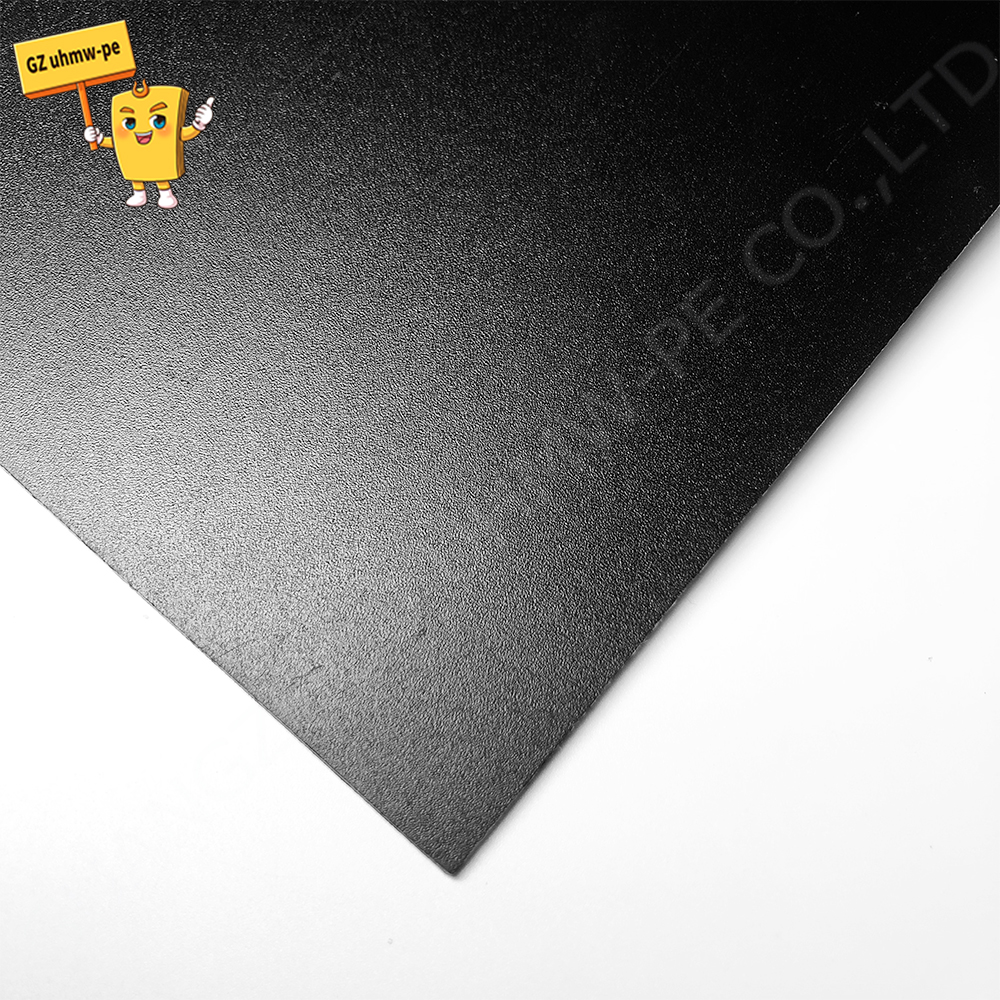
For routing and milling operations, use single‑ or two‑flute up‑cut spiral router bits. The low flute count provides ample chip clearance, preventing the tool from clogging. Straight‑flute bits are also effective if they are specifically designed for plastics. Avoid multi‑flute bits intended for hard metals; they pack chips and cause melting. The rake angle should be positive and high (typically 10°–20°) to shear the material cleanly. We recommend polished flutes to further reduce material adhesion. For sawing, a triple‑chip‑grind (TCG) carbide‑tipped blade with a zero or slightly negative hook angle works well. A tooth count of 60 to 80 teeth for a 10‑inch blade provides a smooth cut in 10 mm sheets. The kerf should be wide enough to allow clearance and prevent binding.
Tool Geometry Recommendations
- End mills: 1/4″ to 1/2″ diameter, 1–2 flutes, high helix angle (30°–45°) for efficient chip ejection.
- Router bits: Up‑cut spiral, O‑flute design specifically made for soft plastics.
- Drills: Standard twist drills with a 90°–118° point angle; split point to reduce wandering. For larger holes, use a drill bit with a slow spiral or a special plastic drill.
- Countersinks and chamfering tools: Single‑flute, zero‑rake designs prevent grabbing.
Optimal Cutting Parameters for 10 mm PP Sheet
Finding the right balance between speed and feed is crucial. Unlike metals, where increasing cutting speed may improve finish, plastics often require a careful sweet spot. For polypropylene, the general rule is high feed rate, moderate to high spindle speed, but with a keen eye on heat. If the chip coming off the cutter is too thin, the tool rubs rather than cuts, generating heat. If the feed is too aggressive, the material may deform or the tool may deflect.
For CNC routing and milling, a spindle speed of 12,000–18,000 RPM with a feed rate of 60–100 inches per minute (IPM) is a good starting point. The exact values depend on tool diameter and machine rigidity. The goal is to produce a chip that carries away heat. The chip should be a continuous curly shape, not a fine dust. If you see smoke or melted residue, reduce spindle speed or increase feed rate immediately. When drilling, a speed of 1,000–3,000 RPM is typical, with a pecking cycle to clear chips and prevent melting at the bottom of the hole. For sawing, a blade speed of 3,000–4,500 feet per minute (FPM) with a moderate feed yields clean edges. Always test on scrap to fine‑tune parameters before committing to the final workpiece.
Workholding and Fixturing for Thin Sheets
Ten‑millimeter polypropylene is thick enough to be self‑supporting but still flexible, especially over larger spans. Inadequate workholding can cause vibration, chatter, and dimensional errors. Vacuum tables are excellent for sheet goods because they hold the entire surface flat without clamps that could distort the material. If a vacuum table is not available, use a spoil board with plenty of hold‑down clamps placed close to the cutting area. Double‑sided tape can supplement clamping for small parts. Avoid over‑tightening clamps, as localized pressure can cause the sheet to bow or lift in the center. When machining small parts from a large sheet, consider leaving a small “onion skin” pass to keep the part in place, then finish with a manual trim.
Cooling and Lubrication Strategies
Despite PP's low moisture absorption, cooling is often necessary to prevent heat buildup. However, many machinists prefer to machine polypropylene dry because it eliminates the mess of coolant and possible staining. Dry machining is feasible if parameters are optimized, but it requires strict attention to chip evacuation. Compressed air directed at the cutting zone is highly effective for cooling and clearing chips. A cold air gun or mist cooling with a water‑based coolant can be used for aggressive cuts or long runs. Avoid using oil‑based coolants that can cause stress cracking in some PP grades. If liquid coolant is used, a very mild soap‑and‑water solution is sufficient. Thoroughly clean and dry the sheet after machining to prevent water spots.
Deburring and Edge Finishing
Polypropylene often forms a slight burr along the cut edge, especially if tools are not as sharp as they should be. Manual deburring with a sharp knife, scraper, or a purpose‑made deburring tool is usually straightforward. For production runs, a vibratory tumbler with appropriate media can break sharp edges uniformly. Flame polishing is not recommended for PP because it can cause localized melting and warping, and the edge may become brittle. Instead, a light sanding with fine‑grit sandpaper (320–400 grit) followed by a quick pass with a heat gun held at a distance can restore a smooth, glossy edge without overheating. If edge quality is critical, consider using a down‑cut spiral bit for the final pass to press the material down and reduce top‑edge burrs.
Drilling and Tapping Polypropylene
Drilling holes in 10 mm PP sheet requires care to avoid melting the sidewalls or creating oval holes due to material flexibility. Use sharp carbide drills and a peck cycle to break the chip. Pecking every 2–3 mm of depth clears chips and allows cooling. For through holes, a sacrificial backer board prevents blowout on the exit side. Tapping threads directly into PP is possible but the resulting threads are relatively weak due to the material's softness and creep characteristics. Coarse threads are preferred over fine threads because they provide more engagement and are less likely to strip. Thread‑forming screws designed for plastics or threaded brass inserts give superior holding strength for load‑bearing applications. When using inserts, ultrasonically or heat‑staking them in place yields a permanent, vibration‑resistant thread.
Managing Thermal Expansion and Warping
Polypropylene has a high coefficient of thermal expansion, about 100–150 × 10⁻⁶ m/m°C. A 10 mm sheet can noticeably expand or contract with temperature changes. When machining large parts or parts that must fit into a metal structure, account for this expansion. Unrestrained sheets may warp if one side is heated more than the other during machining. To minimize warping, use symmetric machining strategies, take shallow finishing passes, and avoid plunging directly through the sheet in one step when possible. Stress relief prior to final machining can be done by annealing the sheet: heat it to about 80–90°C, hold for one hour per 25 mm thickness, then cool slowly. This process reduces internal stresses from extrusion and increases dimensional stability.
Joining and Welding 10 mm PP Parts
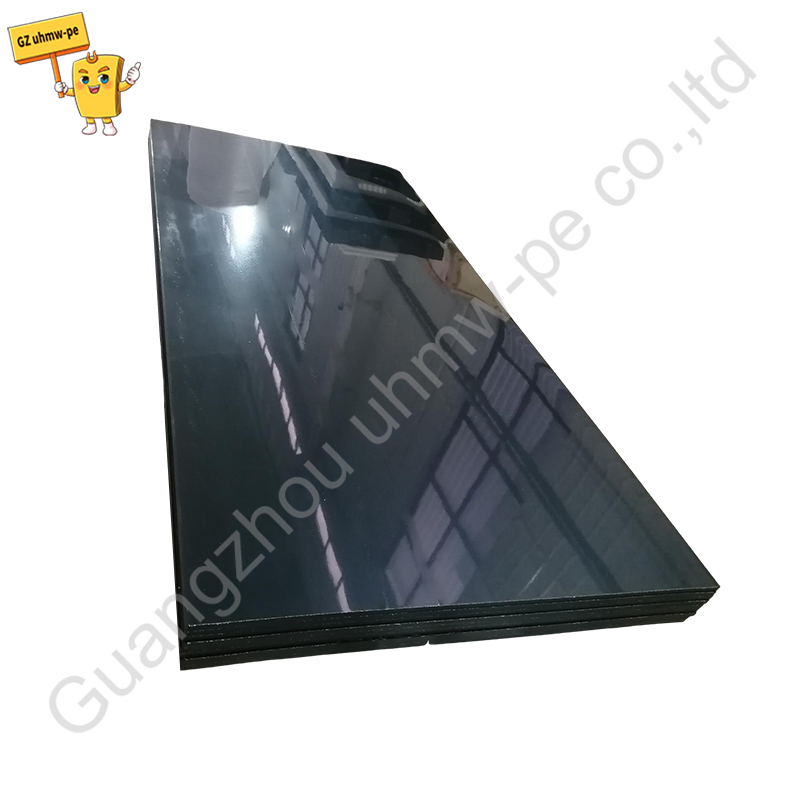
Often machined PP parts must be assembled or integrated into a larger structure. Polypropylene can be welded using hot gas welding, extrusion welding, or ultrasonic welding. The key to strong welds is clean, dry surfaces and matching filler rod material. Because PP has a narrow melting range preheat the joint area slightly. Mechanical fasteners are also common, but avoid self‑tapping screws in thin sections; instead, use machine screws with inserts. Adhesive bonding of PP is notoriously difficult due to its low surface energy. Surface preparation by flame treatment, corona discharge, or plasma etching can improve bond strength, but even then, only specialized adhesives like two‑component acrylics or polyolefin‑specific cyanoacrylates provide moderate adhesion. For structural applications, welding remains the preferred method.
Applications of 10 mm PP Sheet – Why Machining Matters
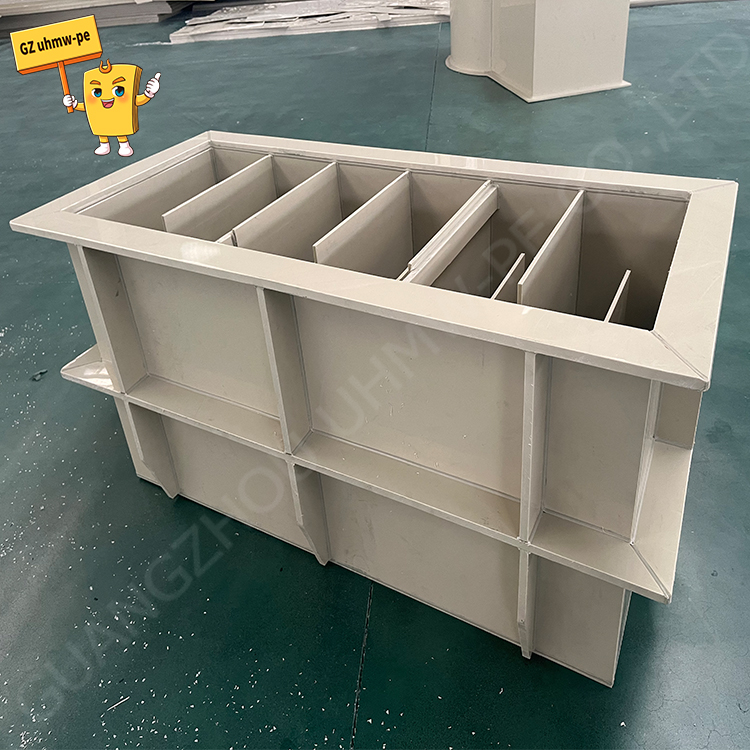
Ten‑millimeter polypropylene sheet is a popular choice for chemical tanks, laboratory countertops, cutting boards, pump components, and insulation parts. At Guangzhou uhmw-pe co.,ltd, we frequently supply finished PP components to customers in the food processing, medical, and water treatment industries. Our CNC machined PP parts include gaskets, manifolds, wear strips, and custom guides. One growing area is guide rails for conveyor systems, where PP's low friction and chemical resistance outperform metal rails. We also produce PP outrigger pads and ground protection mats, although UHMWPE is often preferred for extreme heavy‑duty applications, PP provides a more cost‑effective alternative for lighter loads.
Our finished products range includes synthetic ice rink boards made from UHMWPE, but we offer PP sheets for recreational rink dasher boards, where impact resistance and UV stability are needed. With our advanced CNC machining centers and precision saws, we deliver parts with tight tolerances, whether it is a single prototype or a high‑volume order. Clients appreciate our ability to take a drawing or a sample and turn it into a ready‑to‑install component, supported by rigorous quality control and international certifications such as SGS, ROHS, and FDA compliance.
Common Mistakes and How to Avoid Them
Even seasoned machinists can encounter problems when working with 10 mm PP sheet. Below we list frequent pitfalls and their remedies:
- Melting and gumming: Caused by low feed rate, dull tools, or insufficient chip clearance. Increase feed, sharpen tools, use compressed air.
- Rough surface finish: Often due to vibration or incorrect tool geometry. Check workholding, increase tool rigidity, use a finishing pass with a sharp tool.
- Dimensional inaccuracy: Material may be moving because of clamping pressure or thermal expansion. Use vacuum fixturing, relieve stress, or leave material for a final light cut.
- Burrs and chipping: Dull tools or aggressive entry/exit moves. Use down‑cut bits for top surface, add a lead‑in/lead‑out path, and deburr post‑machining.
- Hole wall melting: Packed chips recutting. Use peck drilling, through‑tool air blast, or a high‑helix drill designed for plastics.
Advanced Machining Techniques – 5‑Axis and Laser
While 3‑axis CNC routing covers most PP sheet machining needs, 5‑axis machines can produce complex contours and undercuts without repositioning. This is particularly useful for parts with angled holes or mating surfaces. Laser cutting of 10 mm PP is possible with a CO₂ laser, yielding a polished edge with minimal heat‑affected zone. However, the edge may exhibit a slightly raised bead that requires post‑processing. Laser cutters must be set to a frequency that minimizes melting and controls the heat input. Waterjet cutting, on the other hand, produces a pristine cold cut with no thermal damage, making it ideal for parts where material properties must remain unchanged. However, waterjet can cause slight delamination in laminated or fiber‑filled sheets, but pure PP cuts beautifully.
Quality Control and Testing of Machined PP Parts
After machining, each part should be inspected for dimensional accuracy and surface defects. At our facility, we use coordinate measuring machines (CMM) and optical comparators to verify critical dimensions. For PP, we also check for any signs of stress cracking or incipient failure, especially if the part has been exposed to drilling or aggressive cutting. Simple drop tests or flexing can reveal weak spots. If the part is destined for food contact, we ensure it meets FDA and EU regulations, which our materials comply with. We can provide third‑party test reports from SGS to confirm compliance. Consistent process control is the backbone of reliable PP part production, and all our operators are trained to recognize the subtle signs of tool wear and material variation.
Guangzhou uhmw-pe co.,ltd – Your Partner for PP and Engineering Plastics
As a specialized manufacturer of high‑performance engineering plastics, Guangzhou uhmw-pe co.,ltd brings deep expertise to every project involving polypropylene, UHMWPE, HDPE, Nylon, POM, and PTFE. Our strategically located factory in Guangzhou, adjacent to the Pazhou International Convention and Exhibition Center, is equipped with multiple international‑grade extrusion lines, mould pressing facilities, and CNC machining centers. We supply a comprehensive range of semi‑finished products — sheets and rods in various grades and dimensions — as well as finished goods that have become highly popular among international buyers, such as ground protection mats, outrigger pads, UHMWPE lining sheets, soccer rebound boards, and custom guide rails.
Our team possesses outstanding material modification capabilities, enabling us to produce PP sheets with added properties such as flame retardancy, antistatic behavior, or enhanced low‑temperature resistance. We deliver customized parts from customer drawings or samples, managing everything from material selection and mould design to CNC machining and final inspection. Our large‑scale production lines can handle oversized sheets, and our rigorous quality system ensures every product meets the highest standards.
With a philosophy of “Quality First, Integrity Based, Innovation Driven,” we are committed to environmental responsibility and to being your long‑term global partner for engineering plastic solutions. Our products are trusted across infrastructure, construction, winter sports, heavy equipment, mining, and food processing industries worldwide. Whether you need a simple 10 mm PP panel with a few holes or a complex machined assembly, we have the capability and experience to deliver. Contact us today to discuss your next project.
Summary
Machining 10 mm polypropylene sheet demands a thoughtful approach to tooling, speeds, feeds, and workholding to achieve clean, precise results. The material’s low melting point and flexibility require sharp, low‑flute carbide tools, high feed rates, and effective chip evacuation to prevent heat buildup. Cooling with compressed air or mist, careful peck drilling, and proper fixturing minimize burrs, melting, and warping. Post‑machining, edges may be deburred and lightly sanded, but flame polishing is not recommended. For challenging applications, advanced methods like 5‑axis machining, laser, or waterjet can be employed. As demonstrated by Guangzhou uhmw-pe co.,ltd, a Chinese leader in engineering plastics, polypropylene is a cost‑effective choice for chemical‑resistant and structural parts in industries ranging from food processing to heavy equipment. Their vertically integrated manufacturing, from sheet production to CNC‑finished components, ensures quality and reliability. By following the tips outlined above and partnering with experienced suppliers, fabricators can unlock the full potential of 10 mm PP sheet, delivering parts that meet tight tolerances and demanding environmental conditions every time.