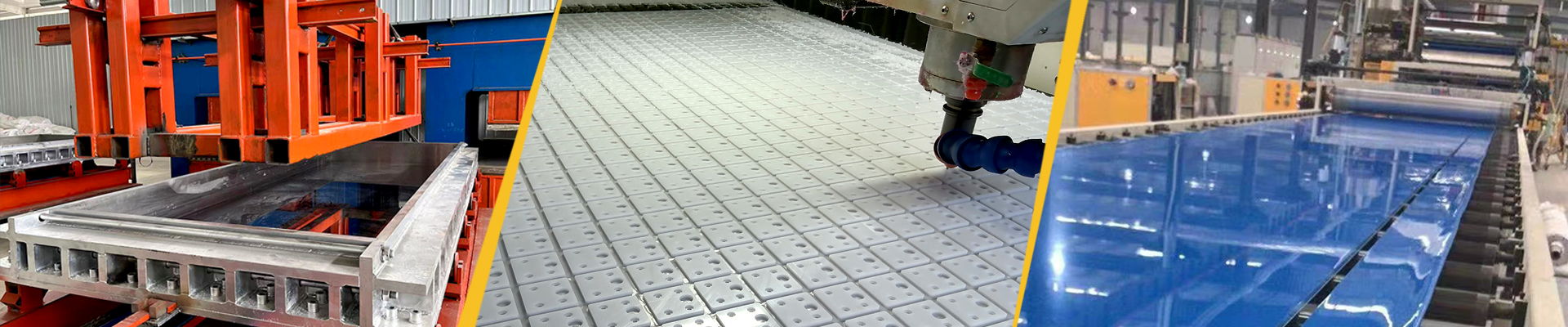
The article comprehensively examines why polypropylene (PP) plastic sheets are more cost-effective than traditional metal and wood alternatives over a product's full lifecycle. It argues that initial purchase price is a poor indicator of true cost, and that factors like fabrication, installation, maintenance, replacement frequency, energy consumption, and environmental impact must be considered. PP sheets, with their lightweight nature, chemical and moisture resistance, low friction, and impact strength, offer distinct economic advantages. Compared to steel or aluminum, PP eliminates corrosion-related expenses such as painting, recoating, and inspections. It also reduces transport and handling costs due to its lower density. Wood, while initially cheap per volume, suffers from rot, warping, and insect damage, requiring frequent replacement and chemical treatment that escalate costs. A total cost of ownership (TCO) analysis for a chemical storage tank lining shows PP saving 50% over steel and 73% over wood over a 15-year period. The article case studies outrigger pads and ground protection mats, where PP's lighter weight cuts labor and logistics costs. It also highlights the custom machining and formulation capabilities of Guangzhou uhmw-pe co.,ltd, which enable precise, waste-free production and access to specialty grades like flame-retardant or antistatic PP. The company's ISO-certified manufacturing, SGS/ROHS/FDA testing, and established global supply chain further reduce procurement risk and inventory costs. Environmental regulations and carbon pricing are reinforcing PP's cost benefits, as its recyclability and durability lower waste and energy use. The article debunks misconceptions about plastic strength, noting modern PP compounds can handle demanding loads. For buyers, it recommends calculating lifecycle costs, requesting custom sizes to minimize waste, and partnering with experienced suppliers. Ultimately, PP proves to be the lowest-cost option per year of reliable service, making it a strategic choice for industries from construction and mining to food processing and agriculture.
When selecting materials for industrial, construction, or commercial applications, engineers and procurement specialists often focus on the initial purchase price. However, a truly cost-effective material must be evaluated across its entire lifecycle—including installation, maintenance, downtime, and replacement. This article explores why polypropylene (PP) plastic sheets are increasingly favored over traditional metal and wood alternatives, delivering substantial long-term savings without compromising on performance. By analyzing real-world cost drivers and drawing on insights from Guangzhou uhmw-pe co.,ltd—a specialized manufacturer of high-performance engineering plastics—we will demonstrate how PP sheets provide superior value.
Understanding PP Plastic Sheets
PP (polypropylene) is a versatile thermoplastic polymer known for its excellent chemical resistance, low moisture absorption, and high impact strength. In sheet form, PP offers a lightweight yet robust solution for a wide range of applications, including tank linings, conveyor systems, food processing equipment, and protective panels. Unlike metals that corrode or woods that degrade, PP maintains its structural integrity in harsh environments, making it a reliable choice for decades of service.
undefined
Key Properties of PP Sheets
- Lightweight: Weighing approximately one-seventh of steel, PP reduces structural load and simplifies transportation.
- Chemical & Moisture Resistance: PP is impervious to water, acids, and many solvents, preventing rust, rot, and swelling.
- Low Friction: The slippery surface helps materials flow smoothly, reducing blockages and wear.
- High Impact Strength: PP can absorb shocks and impacts without cracking, even at low temperatures.
- Recyclability: PP is fully recyclable, supporting circular economy initiatives.
These properties translate into tangible cost benefits when compared to conventional materials. The following sections break down the true cost of ownership for PP versus metal and wood.
Initial Material Costs: PP vs. Metal vs. Wood
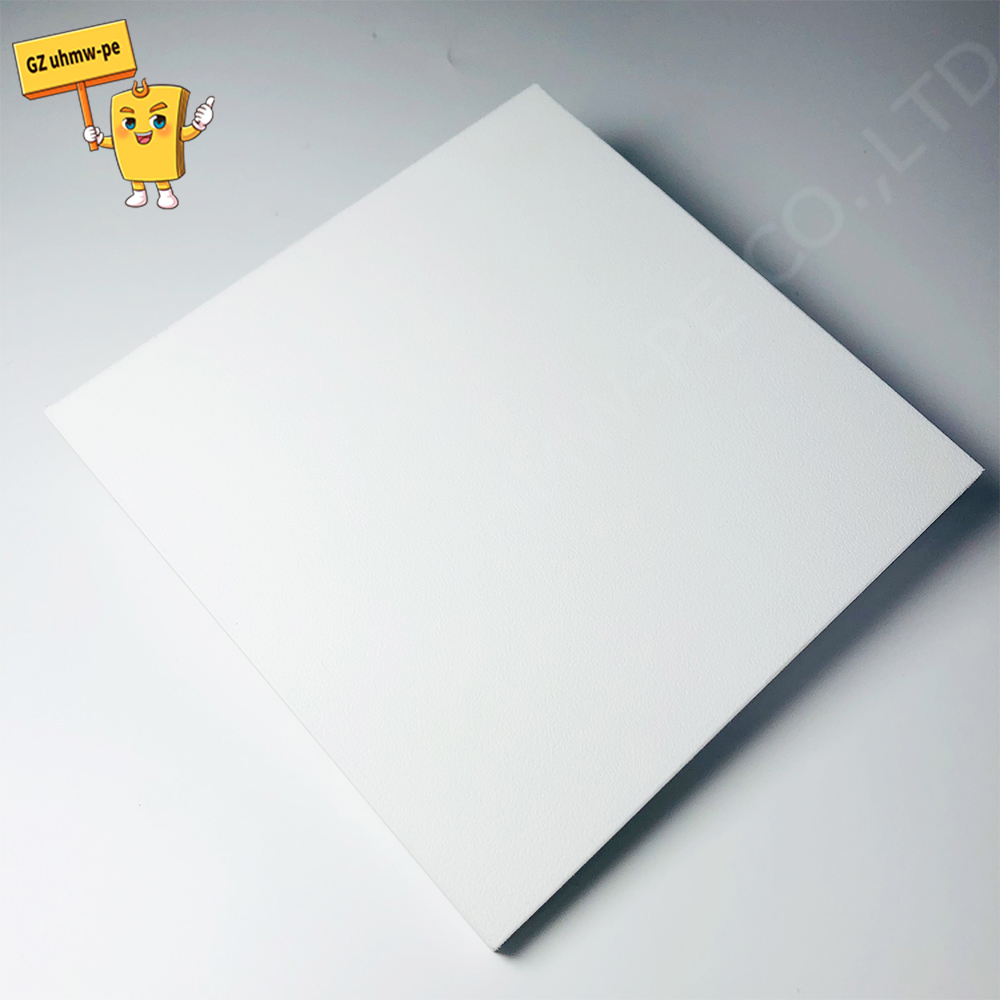
At first glance, metal and wood may appear cheaper than PP on a per-pound basis. However, the cost per functional unit—say, per square meter of usable surface—tells a different story. PP sheets are often sold in standard sizes and can be cut to custom dimensions, minimizing waste. Metals like steel and aluminum require expensive alloying and rolling processes, while high-grade hardwoods command premium prices. Furthermore, when factoring in density, a 10mm PP sheet provides similar stiffness to a 10mm steel sheet? Actually, steel is much stronger, but for many applications, the required thickness of PP is lower than wood and comparable to metal when reinforcements are not needed. In practice, PP's chemical resistance allows thinner walls than wood or metal in corrosive environments.
| Material | Average Cost per kg | Density (g/cm³) | Cost per Liter |
|---|---|---|---|
| PP Sheet | $1.5–2.5 | 0.91 | $1.37–2.28 |
| Steel Sheet | $0.8–1.5 | 7.85 | $6.28–11.78 |
| Aluminum Sheet | $2.0–3.0 | 2.70 | $5.40–8.10 |
| Hardwood (Oak) | $1.0–2.0 | 0.75 | $0.75–1.50 |
While wood appears cheaper per volume, its porous nature requires thicker sections to achieve the same load-bearing capacity as PP. Moreover, wood's susceptibility to moisture means it must be sealed or treated, adding to its effective cost. Metal, though strong, often needs protective coatings to prevent corrosion—costs that PP eliminates entirely.
Fabrication and Installation Costs
PP sheets are easy to cut, drill, weld, and thermoform. Simple tools like circular saws and routers can shape them on-site, reducing machining expenses. In contrast, metal fabrication demands heavy machinery, skilled labor, and safety precautions. Welding steel requires certified welders, and cutting aluminum generates heat-affected zones that may require post-treatment. Wood, meanwhile, requires sanding, sealing, and seasonal acclimatization.
Guangzhou uhmw-pe co.,ltd emphasizes that their PP sheets come in pre-sized formats and can be custom machined to exact specifications using advanced CNC centers. This reduces the need for in-house fabrication, especially for complex parts. For large-scale projects, such as ground protection mats or outrigger pads, the company offers precision-cut sheets that install quickly, cutting labor hours by up to 50% compared to steel-based alternatives.
Installation Example: Ground Protection Mats
Temporary roadways and staging areas require robust matting. Steel mats are heavy—a typical 4x8 ft steel mat weighs over 300 lbs, requiring forklifts and multiple workers. PP ground protection mats weigh only 60-80 lbs, allowing two-person handling and rapid placement. The installation time per square meter is reduced by 40%, and transport costs drop dramatically due to lower weight. Over a three-month project, these savings can offset the higher per-unit cost of PP.
Maintenance and Replacement Frequency
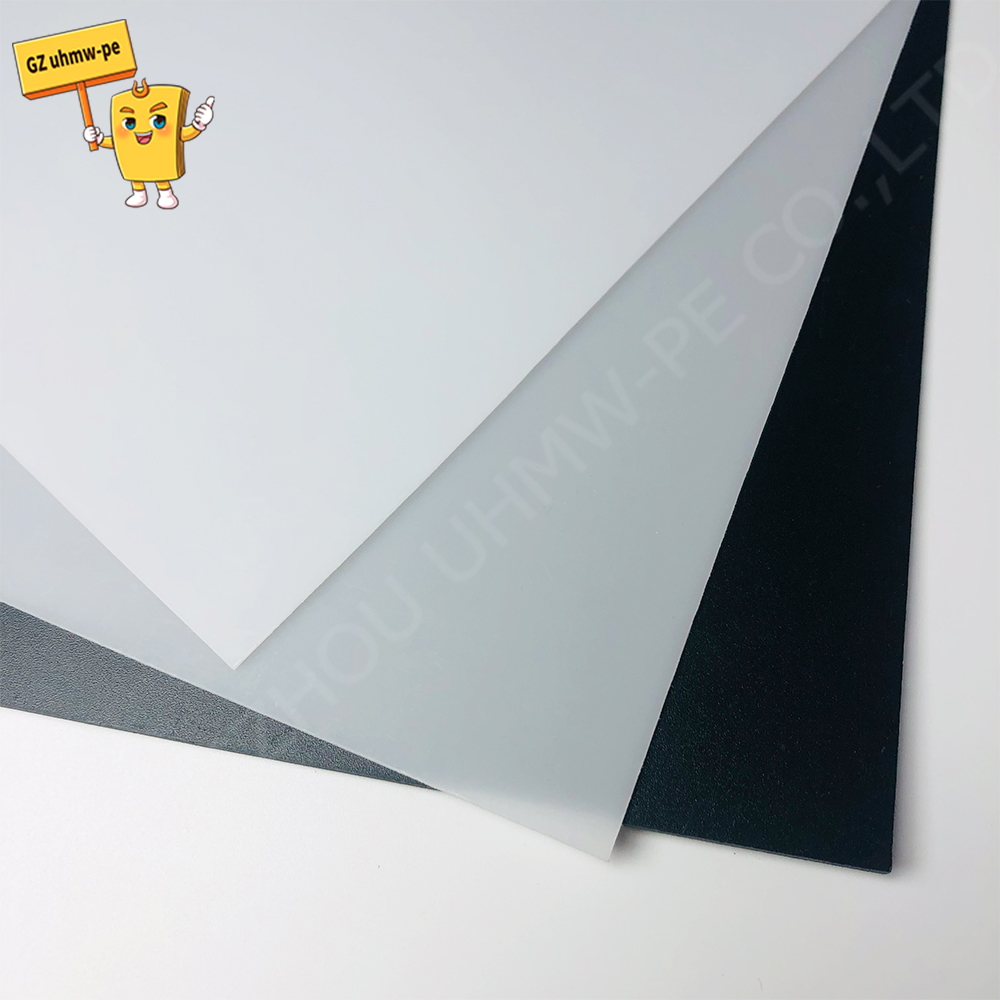
The most significant cost differentiator is maintenance. Metal, especially steel, corrodes when exposed to moisture and chemicals. Routine painting, rust removal, and inspections are necessary, and the surface may eventually fail due to pitting or fatigue. Wood suffers from rot, insect infestation, warping, and splintering, requiring periodic replacement. PP, on the other hand, is virtually maintenance-free. It does not rust, rot, or absorb water, and its smooth surface resists bacterial growth—essential for food contact applications. A PP sheet can last 20-30 years with no protective coatings, whereas a metal sheet in the same environment might need replacement every 5-10 years. Wood may require annual treatment and complete renewal after 3-5 years outdoors.
Guangzhou uhmw-pe co.,ltd highlights that their UHMWPE and HDPE materials—often used where PP may not suffice—offer even greater wear resistance. Still, PP's cost-effectiveness shines in less abrasive environments. The company provides third-party test reports (SGS, ROHS, FDA) to ensure material longevity, but the inherent chemical stability of PP is well-documented.
Energy Consumption and Environmental Cost
When evaluating cost, environmental impact is increasingly monetized through carbon taxes and corporate sustainability goals. Producing metals like steel and aluminum is energy-intensive, emitting several tons of CO₂ per ton of metal. Wood, if sustainably sourced, has lower embodied energy but requires chemical treatments that can harm ecosystems. PP, derived from petroleum, has moderate energy intensity but is lightweight, reducing fuel consumption during transport. Moreover, PP is recyclable, and recycled PP sheets retain most of their original properties. By choosing PP, companies can lower their carbon footprint while also saving on penalties and improving brand reputation.
Total Cost of Ownership (TCO) Comparison
To illustrate the true cost, consider a chemical storage tank lining. A 10mm steel lining with rubber coating might cost $50 per square meter installed, requiring annual inspections and recoating every five years ($10 per year per square meter). A wood lining might cost $30 per square meter but needs replacement every three years due to chemical attack, plus labor costs for removal. A PP lining costs $40 per square meter, has zero maintenance, and lasts 15 years. Over a 15-year horizon:
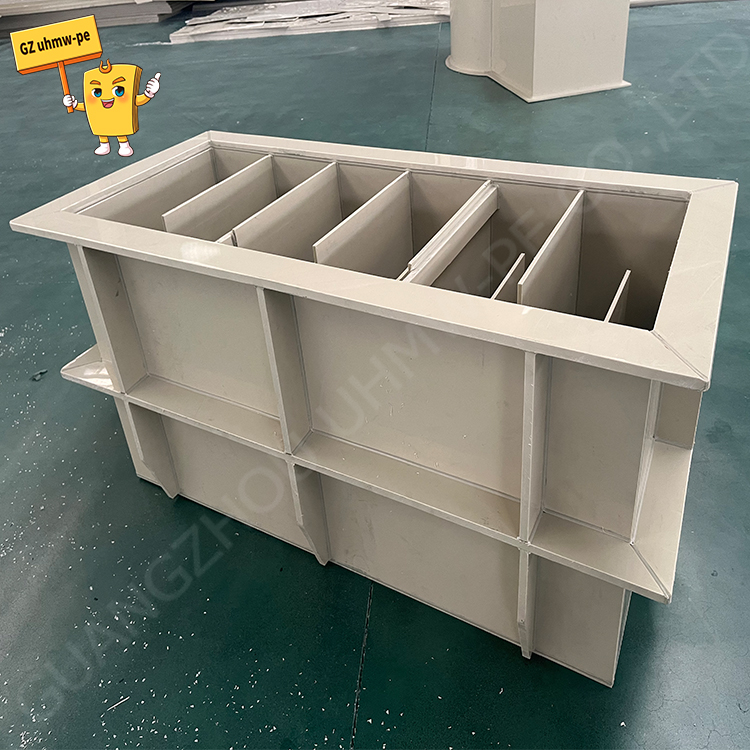
- Steel: $50 (initial) + $30 (recoating over 15 years) = $80 per m².
- Wood: $30 × 5 replacements = $150 per m².
- PP: $40 (initial) = $40 per m².
The PP solution yields a 50% saving over steel and a 73% saving over wood. When factoring in downtime for maintenance, PP's advantage is even greater.
Customization and Value-Added Services
Many suppliers offer only standard sheets, forcing customers to design around limitations. Guangzhou uhmw-pe co.,ltd breaks this mold by providing custom machining, CNC routing, and assembly services. They can produce complex components such as guides, star wheels, and wear-resistant liners to exact drawings or samples. Their engineering team assists in material selection, ensuring the right grade of PP or other polymers for specific loads and temperatures. This one-stop service reduces lead times and avoids costly on-site modifications.
The company's production lines can manufacture sheets up to 6 meters in length and a wide range of thicknesses, accommodating large-scale projects. They also offer modified formulations—flame-retardant PP, antistatic PP, UV-stabilized PP—tailored to demanding environments. These capabilities ensure that customers do not overpay for unnecessary properties or settle for inadequate performance.
Case Study: Outrigger Pads in Construction
Crane outrigger pads distribute massive point loads to protect asphalt or earth surfaces. Traditionally made of steel or laminated wood, these pads face harsh conditions. Steel pads slide and can scratch concrete; wood pads crack and absorb water, losing strength. PP outrigger pads, available from Guangzhou uhmw-pe co.,ltd, are often paired with UHMWPE for low friction and high impact resistance. But even standard PP pads offer a compelling cost story.
A steel pad 600×600×25mm weighs 70 kg and costs $120; it needs repainting every two years and can dent permanently. A wood pad weighs 30 kg but delaminates after contact with moisture; replacement required annually at $60 each. A PP pad weighs 12 kg, costs $85, and has a service life exceeding 10 years. Transportation costs are lower due to weight, and on-site handling is safer and quicker. Over a decade, the PP pad saves over $500 in replacement and labor costs per unit.
Industry-Specific Benefits
Different sectors reap unique cost benefits from PP sheets. In agriculture, PP sheets line silos and troughs to resist corrosion from silage acids and animal waste, eliminating frequent resurfacing. In mining, PP chute liners prevent material buildup and reduce wear on expensive equipment. In food processing, FDA-compliant PP sheets offer a non-toxic, easily cleaned surface that reduces water and chemical usage. The lightweight nature of PP also lowers shipping costs for finished goods—a consumer benefit that Guangzhou uhmw-pe co.,ltd leverages by exporting to Southeast Asia, Middle East, Europe, and the Americas.
Quality Assurance and Certification
Cost savings are only meaningful if the product performs as expected. Guangzhou uhmw-pe co.,ltd operates under ISO quality management systems and can provide SGS, ROHS, and FDA certifications. Their rigorous quality control—from raw material selection to final inspection—ensures that PP sheets have consistent dimensions and mechanical properties. This reliability is critical for large-scale infrastructure projects where material failure leads to exorbitant repair costs. By sourcing from a certified manufacturer, buyers mitigate the risk of premature failure and hidden costs.
Global Supply Chain and Support
In today's globalized economy, price is influenced by logistics. Guangzhou uhmw-pe co.,ltd, strategically located near the Pazhou International Convention and Exhibition Center in Guangzhou, has mature export procedures, secure packaging, and efficient freight arrangements. Their proximity to the Pearl River Delta ports reduces shipping times and costs. They also maintain large inventories of PP and related polymers, enabling fast emergency deliveries. This supply chain efficiency minimizes inventory holding costs for buyers, further enhancing cost efficiency.
Comparing PP with UHMWPE and HDPE
While this article focuses on PP, it's worth noting that other engineering plastics offer varying performance-to-cost ratios. UHMWPE (ultra-high molecular weight polyethylene) has outstanding wear resistance and a low friction coefficient, making it superior for highly abrasive environments. HDPE (high-density polyethylene) is similar to PP but offers better stress-crack resistance. Guangzhou uhmw-pe co.,ltd provides all these materials, allowing customers to select the most economical solution per application. For example, in a non-abrasive chemical tank, PP is cheaper than UHMWPE, while in a bulk material conveyor, UHMWPE's longer life may justify its higher upfront cost. The company's expertise guides buyers toward the optimal balance.
Environmental and Lifecycle Assessment
Beyond direct costs, environmental regulations increasingly impose financial burdens. PP's recyclability enables end-of-life recovery, yielding credits in green certification programs. Its durability reduces waste accumulation. In contrast, metals must be melted down and re-alloyed, consuming energy, while treated wood may be classified as hazardous waste. Over a 20-year lifecycle, PP demonstrates a lower carbon footprint per square meter of service than both steel and treated wood. Some projects have achieved LEED points simply by substituting PP for metal or wood components.
Overcoming Common Misconceptions
Some engineers dismiss plastic sheets as weak or fragile. However, modern PP compounded with impact modifiers can withstand heavy loads without cracking. The material's flexibility is an asset—it can absorb deformation and return to shape, unlike metal which permanently yields. Temperature limitations (-10°C to 90°C) are acceptable for most indoor and outdoor applications, and special grades extend this range. By partnering with a knowledgeable supplier like Guangzhou uhmw-pe co.,ltd, customers can specify the correct grade and design to meet or exceed their requirements.
Practical Tips for Procurement
To maximize cost efficiency, buyers should:
- Calculate total lifecycle cost, not just unit price.
- Request custom sizes to reduce waste.
- Consider shipping logistics to minimize transport expenses.
- Ask for technical support to avoid over-engineering.
- Verify certifications to prevent compliance fines.
Guangzhou uhmw-pe co.,ltd offers a complete package—from semi-finished sheets to machined parts—so customers can procure accurately without excessive inventories. Their CNC machining services produce complex geometries in small batches, reducing the need for multiple suppliers.
Future Trends in Material Cost Efficiency
As metal prices fluctuate and timber becomes scarcer, engineering plastics like PP are becoming increasingly attractive. Advances in polymer recycling and compounding are lowering raw material costs, while innovative manufacturing methods like additive manufacturing are expanding design possibilities. Companies that adopt PP now will benefit from decades of stable pricing and durability.
Conclusion
The cost efficiency of PP plastic sheets goes far beyond the sticker price. By reducing installation labor, maintenance expenses, and replacement frequency, PP often delivers the lowest total cost of ownership among metal, wood, and other popular materials. Its resistance to corrosion, moisture, and chemicals ensures long-term performance in the harshest environments. With the support of experienced suppliers like Guangzhou uhmw-pe co.,ltd, organizations can leverage PP's advantages to achieve significant financial savings while enhancing operational reliability.
For project engineers and decision-makers, the evidence is clear: when evaluating materials, the question is not "Which is cheaper per kilogram?" but "Which provides the cheapest per year of reliable service?" On that measure, PP plastic sheets consistently outperform metal and wood alternatives, making them a wise investment for forward-thinking businesses.
Guangzhou uhmw-pe co.,ltd is a specialized manufacturer and solutions provider in the field of high-performance engineering plastics. Strategically located in Guangzhou, adjacent to the Pazhou International Convention and Exhibition Center, the company has built a strong reputation for quality, reliability, and precision over many years of dedicated service. They manufacture a comprehensive range of semi-finished and finished products from advanced plastic materials, including UHMWPE, HDPE, PP, Nylon, POM, and PTFE. Their products are trusted by clients in infrastructure construction, winter sports, heavy equipment, mining, and many other industries worldwide. With advanced CNC machining centers, rigorous quality control, and international certifications, they provide stable, cost-effective solutions to global customers.