Ground protection mats are a powerful tool for reducing the environmental impact of temporary access roads in construction, events, and utility work. Unlike traditional methods that cause soil compaction, vegetation loss, erosion, and high carbon emissions from gravel roads, these reusable plastic mats distribute heavy loads evenly, preserving soil structure and plant life. They minimize sediment runoff into waterways, lowering the risk of water pollution. Made from durable, recyclable materials like UHMWPE and HDPE, they offer a long service life and support a circular economy. Companies such as Guangzhou uhmw-pe co.,ltd specialize in manufacturing high-quality mats and other engineered plastic solutions, providing custom options for diverse industries. By switching to ground protection mats, projects can significantly reduce their ecological footprint while maintaining operational efficiency, aligning with global sustainability goals.
In an era where environmental consciousness is no longer a choice but a necessity, the construction and infrastructure sectors are under increasing pressure to adopt sustainable practices. One often-overlooked yet highly impactful solution is the use of ground protection mats for temporary access roads. These heavy-duty panels, typically manufactured from advanced engineering plastics like Ultra-High Molecular Weight Polyethylene (UHMWPE) or High-Density Polyethylene (HDPE), serve as a protective barrier between heavy machinery and the delicate ground beneath. Companies like Guangzhou uhmw-pe co.,ltd, a specialized manufacturer based in Room 1303, No. 1068 Xingang East Road, Haizhu District, Guangzhou, Guangdong Province, China, have been at the forefront of producing these innovative products. Their commitment to quality, reliability, and environmental responsibility makes them a key player in this green revolution.
Ground protection mats are not just a convenience; they are a critical component in minimizing the ecological footprint of construction projects, outdoor events, utility maintenance, and any operation requiring temporary access over soft or sensitive terrain. This article delves into the multifaceted environmental benefits of using ground protection mats, exploring how they prevent soil degradation, protect vegetation, reduce water pollution, and even contribute to a lower carbon footprint. We will also examine the material science behind these mats, drawing on the expertise and product range of Guangzhou uhmw-pe co.,ltd, a company that has built a strong reputation for precision and innovation in the field of high-performance engineering plastics.
What Are Ground Protection Mats?
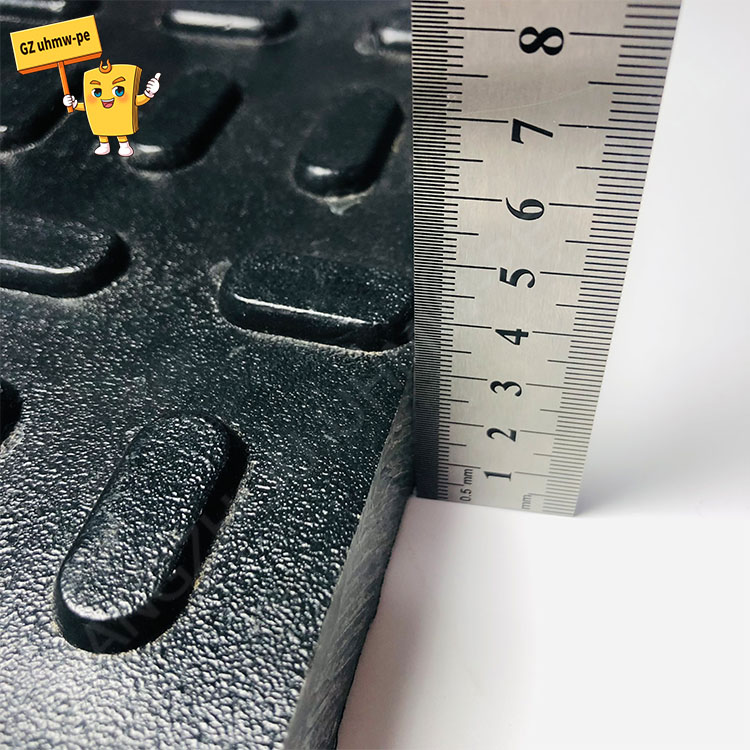
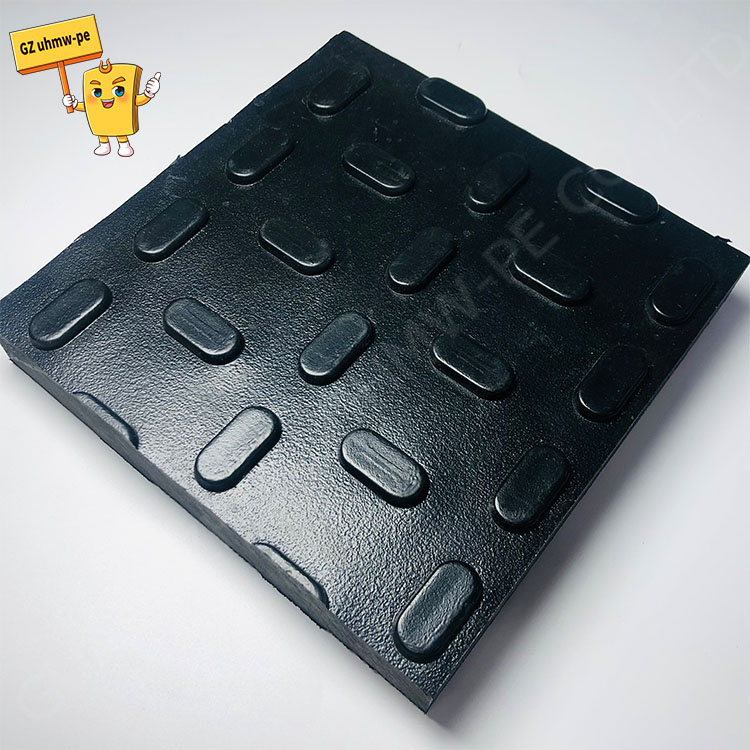
Ground protection mats, sometimes referred to as access mats or temporary roadway mats, are robust, portable platforms designed to create a stable surface over unstable ground. They are used to support the weight of heavy vehicles, cranes, trucks, and other equipment, distributing loads evenly to prevent sinking, rutting, and soil compaction. Traditionally, wooden mats or steel plates were used, but modern engineering plastics have revolutionized the industry. Guangzhou uhmw-pe co.,ltd manufactures a comprehensive range of such mats from materials including UHMWPE, HDPE, and PP, each offering unique advantages. Their product portfolio is not limited to ground protection mats; it also includes outrigger pads, synthetic ice rink boards, UHMWPE lining sheets, soccer rebound boards, and guide rails. These products share common attributes: exceptional wear resistance, impact strength, low friction, and outstanding weatherability.
Ground protection mats are designed to be interlocking, lightweight yet strong, and easy to transport and install. Their reusability is a key environmental advantage. Unlike gravel or temporary asphalt roads that leave a permanent mark, these mats can be deployed, removed, and reused multiple times across different sites, significantly reducing waste and the need for virgin materials.
undefined
The Environmental Impact of Traditional Access Roads
Before understanding the benefits of ground protection mats, it is crucial to recognize the environmental damage caused by conventional methods. When heavy equipment traverses unprotected soil, the consequences are severe and long-lasting:
- Soil Compaction: The massive weight of construction vehicles compresses soil particles, reducing pore space. This leads to decreased water infiltration, increased surface runoff, and impaired root growth. Compacted soil can take decades to recover naturally.
- Erosion: Once vegetation is destroyed and soil structure is disturbed, wind and water erosion accelerate. Topsoil, rich in organic matter and nutrients, is washed or blown away, leading to sedimentation in nearby water bodies.
- Vegetation Loss: Direct traffic kills existing plants and compacts the soil so that new seeds struggle to germinate. This loss of vegetation eliminates habitat for wildlife, reduces carbon sequestration, and diminishes the aesthetic value of the landscape.
- Water Pollution: Sediment from eroded sites clouds waterways, harming aquatic life. Moreover, fluid leaks from machinery (oil, fuel, hydraulic fluid) can contaminate soil and groundwater if not contained. Traditional roads often lack containment, allowing these pollutants to percolate into the environment.
- Carbon Footprint: Building a temporary gravel road requires extraction, processing, and transportation of large quantities of aggregate. This process is energy-intensive and emits significant greenhouse gases. After use, the gravel often needs to be removed or becomes a part of the landscape, altering drainage patterns permanently.
These impacts highlight the urgent need for less invasive alternatives. Ground protection mats address these issues head-on, offering a sustainable path forward.
How Ground Protection Mats Mitigate Environmental Damage
Preventing Soil Compaction and Erosion
The primary environmental benefit of ground protection mats is their ability to distribute heavy loads over a larger area, drastically reducing ground pressure. For example, a typical outrigger pad from Guangzhou uhmw-pe co.,ltd can spread the concentrated force of a crane stabilizer, preventing it from sinking into the ground. Similarly, their ground protection mats create a continuous, reinforced surface that bridges soft spots and keeps soil structure intact. Studies have shown that using these mats can reduce soil bulk density changes to nearly zero, preserving the soil's natural porosity and biological activity.
Because the soil remains uncompacted, rainwater can still infiltrate properly, recharging groundwater and minimizing surface runoff. This prevents the formation of rills and gullies that are common on traditional construction sites. Without the need for cutting drainage channels or installing silt fences, the overall disturbance footprint is minimized.
Protecting Vegetation and Root Systems
Mats act as a physical barrier that shields grass, herbs, and shrubs from being crushed. While some bending of vegetation may occur under the mat, the plants typically recover quickly once the mats are removed. This is especially important in sensitive ecosystems such as wetlands, meadows, and protected areas where any loss of flora can have cascading effects on local fauna. Guangzhou uhmw-pe co.,ltd offers mats in various sizes and thicknesses, allowing project planners to select the right product to minimize impact. Their UHMWPE mats are lightweight yet tough, making them ideal for use on landscaped areas, golf courses, and parks.
Reducing Sediment Runoff into Waterways
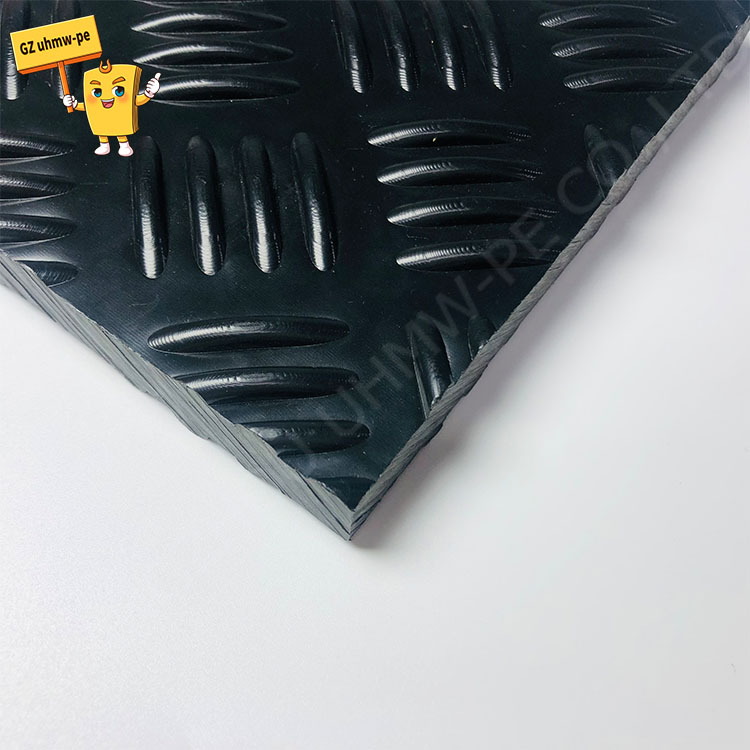
By preserving surface vegetation and soil structure, ground protection mats dramatically cut down sediment runoff. Additionally, some mat designs incorporate features like a textured surface or built-in channels that slow down water flow and allow sediment to settle. Even without such features, the simple act of maintaining ground cover prevents the detachment of soil particles. In industries like mining and pipeline construction, where work often occurs near streams or wetlands, using mats is often a regulatory requirement to comply with clean water acts. Guangzhou uhmw-pe co.,ltd ensures their products are manufactured with environmental safety in mind, using materials that are chemically inert and safe for use in ecologically sensitive zones. The company can provide third-party test reports from SGS, ROHS, and FDA, confirming that their mats do not leach harmful substances.
Minimizing the Carbon Footprint of Temporary Roads
When compared to constructing a temporary gravel road, the use of modular plastic mats results in a significantly lower carbon footprint. First, the manufacturing of plastic mats, while energy-intensive, is a one-time investment. Guangzhou uhmw-pe co.,ltd utilizes advanced extrusion and mould pressing lines to produce high-quality sheets and mats, optimizing energy use. The mats are then reused for years, often exceeding a decade of service life. In contrast, a gravel road requires quarrying, crushing, and transportation of aggregates for each new project, with those activities repeated frequently. Moreover, at the end of a gravel road's life, the material must be removed and disposed of, or it permanently alters the landscape. Plastic mats can be easily lifted, cleaned, transported to the next site, and redeployed. This circular approach drastically reduces the demand for virgin materials and the associated emissions.
Material Advantages: UHMWPE and HDPE in Ground Protection
Durability and Long Lifecycle
The environmental credentials of ground protection mats are tightly linked to the materials from which they are made. UHMWPE, a flagship material of Guangzhou uhmw-pe co.,ltd, is renowned for its extraordinary wear resistance—outlasting carbon steel by a factor of up to 15 in abrasion tests. This means mats can withstand years of heavy traffic without significant degradation. Their impact strength is exceptional, even at low temperatures, preventing cracking and failure. HDPE, another core material, offers excellent stiffness and chemical resistance, making it suitable for contaminated sites or where exposure to aggressive substances is likely. The long service life of these mats means fewer replacements, less waste, and lower overall environmental impact over the product lifecycle.
Recyclability and Circular Economy
At the end of their useful life, UHMWPE and HDPE mats are fully recyclable. Guangzhou uhmw-pe co.,ltd is committed to environmental responsibility, and while they focus on manufacturing new products, they support the recycling ecosystem. The company's philosophy of “Quality First, Integrity Based, Innovation Driven” extends to sustainable practices. Their products can be ground down and reprocessed into new plastic articles, keeping the material out of landfills. Some manufacturers even offer take-back programs. Given that the mats are made from a single type of polymer, recycling is straightforward compared to composite materials. This aligns with the global push towards a circular economy, where products are designed with end-of-life recovery in mind.
Case Studies and Applications
Ground protection mats have been deployed in a wide array of scenarios, each demonstrating their environmental benefits:
- Wind Farm Construction: Access roads across peat bogs and moors require sensitive handling to avoid carbon release. Mats provide a stable, low-impact crossing, preserving the carbon-storing capacity of these habitats.
- Utility Maintenance in Urban Parks: When repairing underground pipes, heavy equipment must traverse manicured lawns. Using mats prevents costly turf replacement and keeps public green spaces intact.
- Mining Operations: Haul roads and drill pad access in remote areas are built with reusable mats to comply with environmental regulations and reduce rehabilitation costs after mine closure.
- Music Festivals and Outdoor Events: Temporary roads and walkways protect fields from turning into mud baths, ensuring the land can quickly return to agricultural use or natural state.
In all these cases, the versatility of products from Guangzhou uhmw-pe co.,ltd shines. Not only do they supply standard mats, but their robust customization capabilities—from mold design to CNC machining—enable tailored solutions for challenging terrains. For instance, they can produce oversized mats up to 6 meters in length, ideal for marshalling yards, or mats with special additives for flame retardancy or antistatic properties for use in hazardous environments.
The Role of Innovative Manufacturers: Spotlight on Guangzhou uhmw-pe co.,ltd
Located strategically in Guangzhou, adjacent to the Pazhou International Convention and Exhibition Center, Guangzhou uhmw-pe co.,ltd has established itself as a premier provider of engineered plastic solutions. Their expertise extends far beyond ground protection mats, encompassing a full chain from material formulation to finished components. The company's product positioning is as a full-chain supplier, from high-quality semi-finished sheets and rods to application-specific finished goods. Their core materials cover UHMWPE, HDPE, PP, Nylon, POM, and PTFE, each carefully selected to solve real-world mechanical and environmental challenges.
Comprehensive Range of Engineering Plastics
The company’s standard offering includes sheets and rods in various grades and dimensions. Their finished goods are particularly popular among international buyers: Ground Protection Mats for temporary roadways, Synthetic Ice Rink Boards for year-round skating, Outrigger Pads for safe crane operations, UHMWPE Lining Sheets for abrasion-resistant linings, soccer rebound boards, and guide rails. Each product leverages the excellent wear resistance, low friction, and weatherability of advanced plastics. The company also boasts outstanding material modification capabilities, producing sheets, rods, and custom parts with special properties like flame retardancy, antistatic, high wear resistance, and low-temperature resistance. This means mats can be customized for extreme environments, further extending their applicability and lifespan.
Custom Solutions for Ground Protection
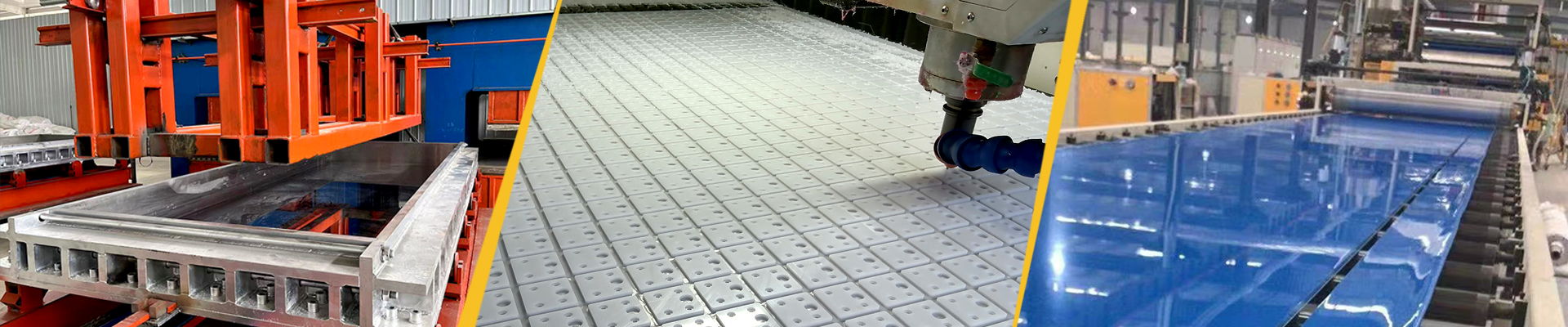
Not all ground conditions are the same. Guangzhou uhmw-pe co.,ltd excels in providing tailored solutions. Equipped with advanced CNC machining centers, precision saws, and engraving equipment, they can produce complex parts and assemblies to exact customer specifications. If a client provides a drawing or sample, the engineering team transforms it into a finished component with tight tolerances. This capability is invaluable for access roads that need to navigate obstacles, accommodate specific load requirements, or integrate with existing site infrastructure. Moreover, their large-scale production lines, including multiple high-tonnage presses and large-format sheet production lines, allow them to manufacture UHMWPE sheets up to 6 meters in length and across a wide range of thicknesses. This gives them a significant advantage in supplying large-scale wear-resistant structural components for major infrastructure projects.
Commitment to Quality and the Environment
Quality and environmental stewardship go hand in hand at Guangzhou uhmw-pe co.,ltd. The company operates multiple international-grade extrusion and mould pressing lines and rigorous testing facilities. A strict quality management system—often in compliance with ISO standards—governs every step from raw material selection to final inspection. They can provide third-party test reports from SGS, ROHS, FDA, and others, ensuring that products meet international environmental and safety requirements. The production process minimizes waste, and the finished products are designed for long life and recyclability. By choosing their mats, customers not only get a high-performance product but also a partner committed to reducing ecological impact.
The company’s global outlook is underpinned by principles of “Quality First, Integrity Based, Innovation Driven.” They have accumulated extensive export experience, with products sold to regions including Southeast Asia, the Middle East, Europe, and the Americas. Their competitive pricing, compared to similar European and American brands, combined with mature logistics and foreign trade documentation capabilities, makes them a reliable source for sustainable ground protection worldwide.
Choosing the Right Ground Protection Mats
Selecting the optimal mat for an access road project involves considering several factors: load requirements, ground conditions, duration of use, and environmental sensitivity. Mats come in different thicknesses, sizes, and material compositions. For general construction on fairly firm ground, an HDPE mat might suffice. For heavy loads on very soft ground, thicker UHMWPE mats with high load distribution are recommended. It is also important to consider the interlocking mechanism to ensure no gaps that could create trip hazards or allow ground damage. Guangzhou uhmw-pe co.,ltd offers consultation to help clients choose the right product, leveraging their deep expertise in material science and mechanical processing.
Installation and removal practices also affect environmental outcomes. Mats should be laid with care to avoid unnecessary disruption, and after use, they should be cleaned to prevent the spread of invasive species or contaminants. The lightweight nature of plastic mats—often half the weight of steel alternatives—reduces fuel consumption during transport and installation, further contributing to a lower carbon footprint.
Conclusion
The environmental benefits of using ground protection mats for access roads are clear and compelling. They prevent soil compaction, protect vegetation, reduce erosion and sediment runoff, and offer a low-carbon-footprint alternative to traditional temporary roads. The reusability and recyclability of advanced plastic mats made from UHMWPE and HDPE close the loop on resource use, aligning with circular economy principles. Companies like Guangzhou uhmw-pe co.,ltd are driving this change by providing durable, high-quality, and customizable solutions that meet the rigorous demands of diverse industries while safeguarding our planet. As environmental regulations tighten and corporate sustainability goals become more ambitious, the adoption of ground protection mats is set to accelerate, proving that industrial progress and ecological stewardship can walk hand in hand—or in this case, roll safely on protected ground.
By integrating innovative engineering with environmental care, Guangzhou uhmw-pe co.,ltd exemplifies how modern manufacturing can support sustainable construction. Their ground protection mats, along with their wide array of other products, are testament to the company's philosophy and its role in building a greener future.