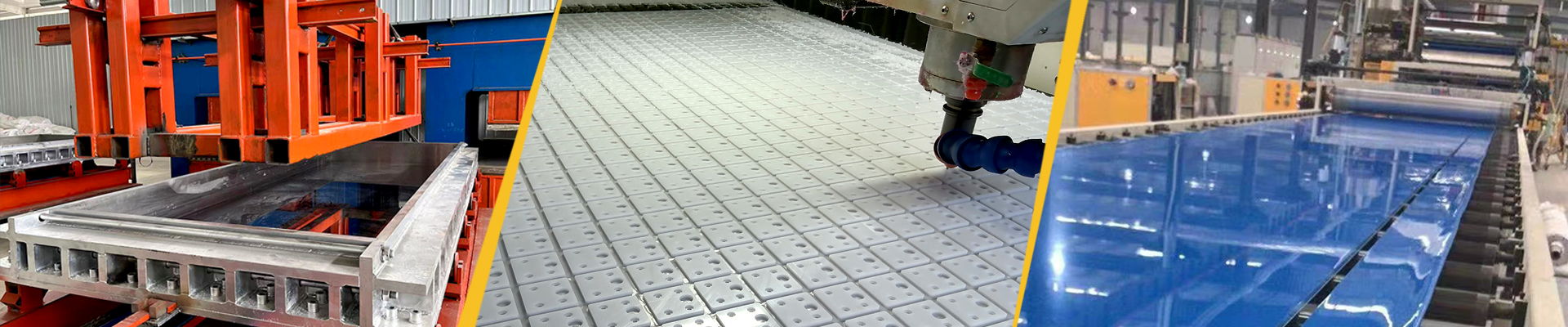
Polypropylene (PP) plastic sheets are increasingly popular for custom parts due to their excellent weldability and formability. This article explores the various welding methods for PP, including hot gas, extrusion, ultrasonic, and laser welding, highlighting the importance of surface preparation, joint design, and parameter control. It also covers forming techniques such as thermoforming, vacuum forming, pressure forming, and bending, emphasizing the need for uniform heating and proper mold design. The benefits of PP, such as chemical resistance, low density, and impact strength, make it ideal for applications in chemical storage, automotive, medical, and packaging industries. The article also introduces Guangzhou uhmw-pe co.,ltd, a leading manufacturer of engineering plastics, which offers custom machining and material modification services, ensuring high-quality PP parts with international certifications and global supply capabilities. By understanding and leveraging PP's weldability and formability, manufacturers can create durable, cost-effective custom components.
Polypropylene (PP) plastic sheets have become a cornerstone in the manufacturing of custom parts across various industries, thanks to their exceptional balance of mechanical properties, chemical resistance, and ease of processing. For engineers and fabricators, understanding the weldability and formability of PP sheets is crucial to unlocking their full potential in creating durable, cost-effective components. This comprehensive guide delves into the intricacies of PP sheet welding and forming, offering insights that can help you optimize your manufacturing processes and achieve superior results.
Understanding Polypropylene (PP) Sheets
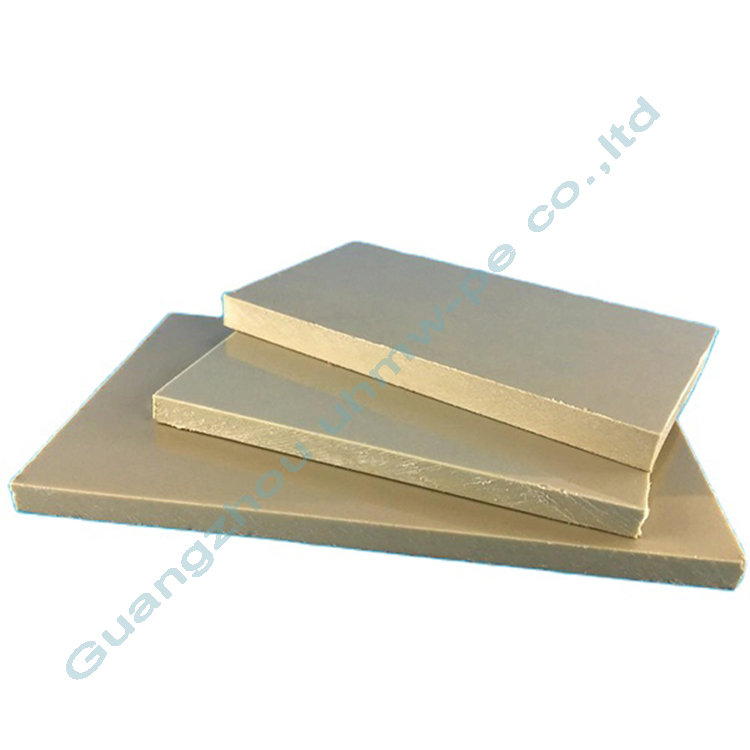
PP is a thermoplastic polymer known for its lightweight, high impact strength, and excellent resistance to chemicals, moisture, and fatigue. These properties make it an ideal material for a wide range of applications, from automotive components and industrial containers to medical devices and consumer goods. PP sheets are available in various thicknesses, colors, and finishes, and can be easily cut, machined, and fabricated into custom parts.
Key Properties of PP Sheets
- Chemical Resistance: PP resists many acids, alkalis, and organic solvents, making it suitable for harsh environments.
- Low Density: Being one of the lightest plastics, PP offers weight savings in applications where metal replacement is desired.
- High Impact Strength: Even at low temperatures, PP maintains good impact resistance.
- Low Moisture Absorption: PP does not absorb water, ensuring dimensional stability in wet conditions.
- Excellent Fatigue Resistance: PP can withstand repeated bending and flexing without cracking.
The Weldability of PP Plastic Sheets
Welding is a critical process for joining PP sheets to create larger structures or complex geometries. PP is a thermoplastic, meaning it can be melted and fused together upon cooling. Several welding techniques are effective for PP, each with its own advantages and considerations.
undefined
Hot Gas Welding
Hot gas welding is one of the most common methods for PP sheets. It involves heating a welding rod and the sheet surface with a hot air gun, then pressing the rod into the joint. This technique is versatile and can be used for both butt and fillet welds. Key parameters include air temperature (typically 250-300°C), rod feed rate, and welding speed. Proper preparation, such as cleaning and beveling the edges, is essential for strong welds.
Extrusion Welding
Extrusion welding uses a specialized extruder that melts PP pellets and deposits the molten material into the joint. This method is faster than hot gas welding and produces stronger, more consistent welds, especially for thick sheets. It is ideal for large-scale fabrication and repairs. The extruder temperature and output rate must be carefully controlled to ensure proper fusion.
Ultrasonic Welding
Ultrasonic welding uses high-frequency vibrations to generate heat through friction at the joint interface. This technique is fast, clean, and suitable for automated production. It works best on thin PP sheets and small parts. The key is to design the joint with energy directors to concentrate the ultrasonic energy.
Laser Welding
Laser welding offers precise, non-contact joining with minimal heat-affected zone. It is ideal for complex geometries and applications requiring high aesthetics. PP sheets can be laser welded using a transparent top layer and an absorbing bottom layer. This method is gaining popularity in medical and electronics industries.
Factors Affecting Weld Quality
To achieve optimal weld strength, several factors must be considered:
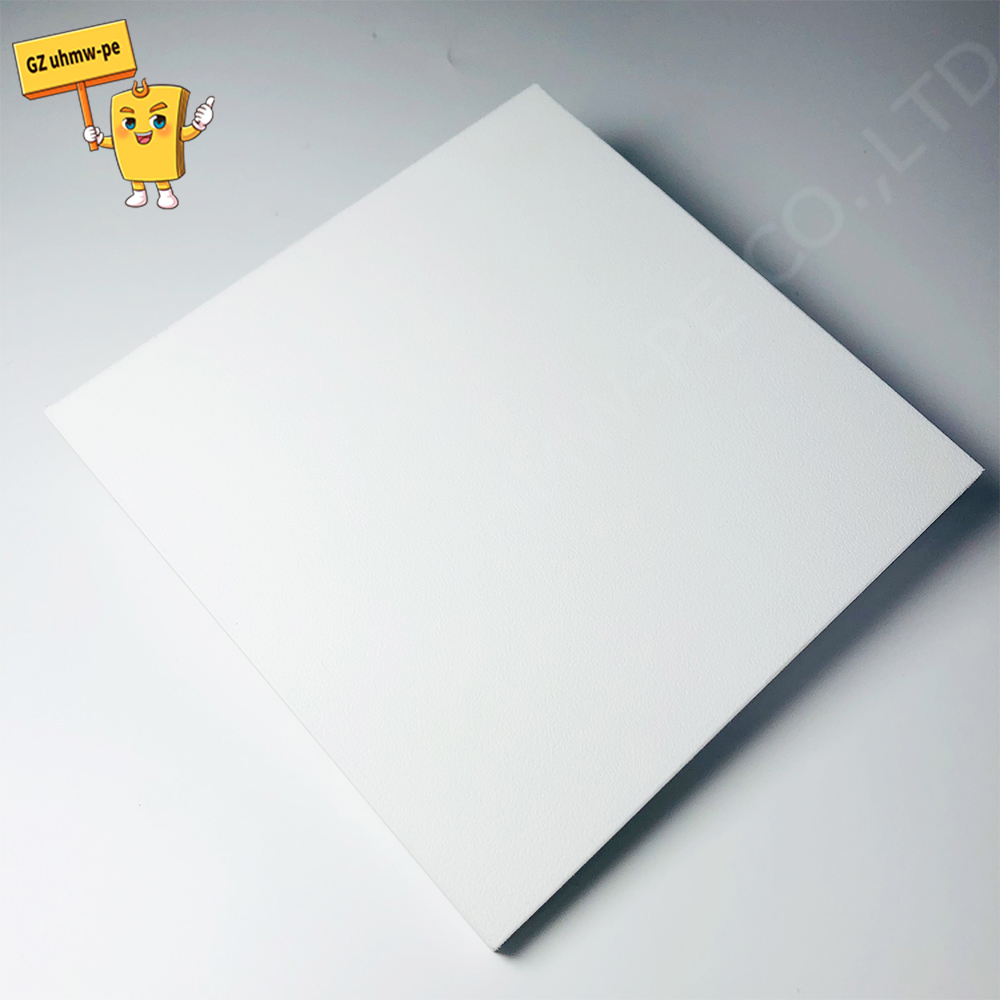
- Surface Preparation: Surfaces must be clean, dry, and free from contaminants like oil or dust.
- Joint Design: Proper joint design (butt, lap, T-joint) ensures adequate weld area and strength.
- Welding Parameters: Temperature, pressure, and speed must be optimized for the specific PP grade and thickness.
- Cooling Rate: Controlled cooling prevents internal stresses and warping.
Testing welds through visual inspection, pressure tests, or tensile tests is recommended to ensure quality.
The Formability of PP Plastic Sheets
Formability refers to the ability of a material to be shaped into desired geometries without failure. PP sheets exhibit excellent formability, especially when heated, allowing for the creation of complex 3D parts through thermoforming, bending, and other processes.
Thermoforming
Thermoforming is a widely used process for PP sheets. It involves heating the sheet to its forming temperature (typically 150-170°C), then shaping it over a mold using vacuum, pressure, or mechanical force. PP's low melt strength can be a challenge, but with careful control, it can be thermoformed into deep draws and intricate shapes. Common applications include trays, packaging, and automotive interior panels.
Bending and Folding
PP sheets can be bent using a heat gun or a strip heater. The sheet is heated along the bend line until pliable, then bent to the desired angle. For consistent results, a bending brake or jig can be used. The minimum bend radius depends on sheet thickness; a general rule is to use a radius at least equal to the sheet thickness.
Vacuum Forming
Vacuum forming is a subset of thermoforming where a heated sheet is pulled onto a mold by vacuum. This process is cost-effective for low-volume production and prototyping. PP's resistance to chemicals makes it suitable for forming parts that will be exposed to aggressive substances.
Pressure Forming
Pressure forming uses positive air pressure to force the heated sheet against a mold. This allows for sharper details and better reproduction of mold textures compared to vacuum forming. It is used for more demanding applications where dimensional accuracy is critical.
Machining and Fabrication
PP sheets can also be machined using conventional tools like saws, routers, and CNC mills. This allows for precise cutting, drilling, and milling to create custom parts without the need for molding. Machining is ideal for low-volume production and one-off prototypes.
Considerations for Forming
- Heating Uniformity: Even heating is essential to prevent warping or uneven forming.
- Mold Design: Proper draft angles and radii prevent sticking and tearing.
- Cooling: Controlled cooling after forming maintains dimensional stability.
- Material Grade: Different PP grades (homopolymer vs. copolymer) have different forming characteristics.
Custom Parts Manufacturing with PP Sheets
The combination of weldability and formability makes PP sheets an excellent choice for custom parts. Manufacturers can leverage these properties to create components that are both functional and economical.
Case Studies: Applications of PP Custom Parts
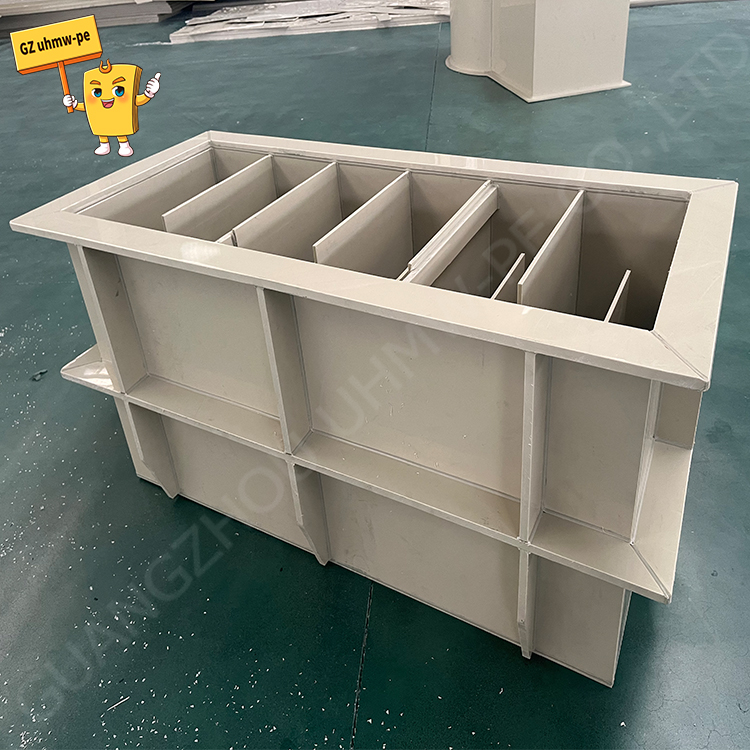
- Chemical Storage Tanks: PP sheets are welded into tanks for storing corrosive chemicals. The weld joints are critical to prevent leaks.
- Automotive Components: Thermoformed PP parts like dashboards and door panels are lightweight and durable.
- Medical Devices: PP's sterilizability and chemical resistance make it suitable for surgical instruments and equipment housings.
- Packaging: Thermoformed PP trays and containers are widely used in food packaging.
Partnering with a Reliable Manufacturer
For businesses seeking custom PP parts, partnering with an experienced manufacturer is essential. One such company is Guangzhou uhmw-pe co.,ltd, a specialized manufacturer and solutions provider in the field of high-performance engineering plastics. Located in Guangzhou, China, they offer a comprehensive range of semi-finished and finished products from advanced materials including UHMWPE, HDPE, PP, Nylon, POM, and PTFE. Their expertise in custom machining and value-added services ensures that even the most complex PP parts are manufactured to exact specifications.
Guangzhou uhmw-pe co.,ltd operates advanced CNC machining centers, precision saws, and engraving equipment, enabling them to produce complex parts and assemblies with tight tolerances. Whether you supply drawings or samples, their engineering team transforms them into finished components, meeting small-batch and quick-turnaround needs with ease. They also offer material modification capabilities, such as flame retardancy and antistatic properties, to meet specific application requirements.
Their commitment to quality is evident through rigorous quality management systems and international certifications, including ISO, SGS, ROHS, and FDA. With extensive export experience, they supply products to Southeast Asia, the Middle East, Europe, and the Americas, providing a stable and reliable global supply chain.
Conclusion
PP plastic sheets offer remarkable weldability and formability, making them a versatile material for custom parts. By understanding the various welding and forming techniques and their parameters, manufacturers can produce high-quality components that meet stringent performance requirements. Whether you need chemical-resistant tanks, lightweight automotive parts, or precision-machined components, PP sheets provide a cost-effective and durable solution.
For those looking to leverage these advantages, partnering with a knowledgeable and experienced manufacturer like Guangzhou uhmw-pe co.,ltd can ensure success. Their expertise in material science, custom machining, and global supply makes them an ideal partner for your next PP custom parts project.
In summary, the weldability and formability of PP plastic sheets open up a world of possibilities for custom parts. With proper techniques and a reliable partner, you can create components that are strong, durable, and tailored to your exact needs.