Ground protection mats are essential for crane operations to prevent sinkage, tipping, and surface damage by distributing heavy loads. The ideal material is UHMWPE, which provides unmatched wear resistance, impact strength, low friction, and safety features like non-conductivity and non-sparking. When selecting mats, prioritize load-bearing capacity, effective ground pressure reduction, and long-term durability. Custom sizing and machining, along with material modifications for specific site conditions, add significant value. A reputable supplier, exemplified by Guangzhou uhmw-pe co.,ltd, offers ISO-certified quality, SGS/ROHS test reports, and large-scale production capabilities—including oversized sheets up to 6 meters. Their competitive pricing and global logistics experience ensure timely, cost-effective delivery. By investing in high-performance UHMWPE mats, companies benefit from lower total ownership costs, enhanced safety, regulatory compliance, and reliable performance across infrastructure, mining, and heavy equipment applications. This comprehensive approach to mat selection protects both personnel and the environment while optimizing project budgets.
Crane operations are among the most demanding activities on construction sites, industrial yards, and infrastructure projects. The immense weight of a crane, combined with the dynamic forces generated during lifting, places extreme pressure on the ground beneath the outriggers. Without adequate ground protection, this concentrated load can lead to catastrophic consequences: sinkage, tipping, surface destruction, and even operator injury or death. This is where ground protection mats come into play. But what exactly should you look for when selecting the right mat for your crane operations? In this comprehensive guide, we will break down every critical factor, from material science and load distribution to durability, safety standards, and long-term value. By the end, you'll be equipped with the knowledge to make an informed decision that keeps your crew safe, protects the environment, and optimizes your project's bottom line.
Understanding the Critical Role of Ground Protection Mats
Before diving into specifications, it's essential to understand why ground protection mats are non-negotiable in crane operations. A crane outrigger pad's primary function is to spread the load from the crane's outrigger float over a larger area, reducing ground pressure to a level the soil or surface can support. The formula is simple: Pressure = Force / Area. By increasing the contact area, you decrease the pressure exerted on the ground. This prevents the outrigger from sinking into soft soil, asphalt, or turf, which could cause the crane to become unstable. Ground protection mats extend this principle further, creating a stable, continuous platform for the crane to set up on, especially in challenging terrains like mud, sand, or uneven ground.
undefined
Moreover, mats protect the surface itself. In urban construction, digging up paved roads or damaging landscaped areas can result in expensive restoration costs and project delays. Environmental regulations may also require the preservation of natural habitats. Thus, the right mat is an investment in operational safety, surface protection, and regulatory compliance.
Material Matters: The Foundation of Performance
The material from which a ground protection mat is made dictates almost every performance characteristic. While traditional solutions like steel plates or wooden rig mats have their place, advanced engineering plastics have revolutionized the industry. The most prominent material today is Ultra-High Molecular Weight Polyethylene (UHMWPE). Companies like Guangzhou uhmw-pe co.,ltd have built their reputation on manufacturing high-performance UHMWPE ground protection mats, along with other products like outrigger pads and synthetic ice rink boards. UHMWPE offers an unmatched combination of properties: it is incredibly wear-resistant, boasts high impact strength, has a low coefficient of friction, and resists moisture absorption, chemicals, and UV degradation. These traits translate into mats that are lightweight yet extremely tough, non-sparking, and long-lasting even under punishing conditions.
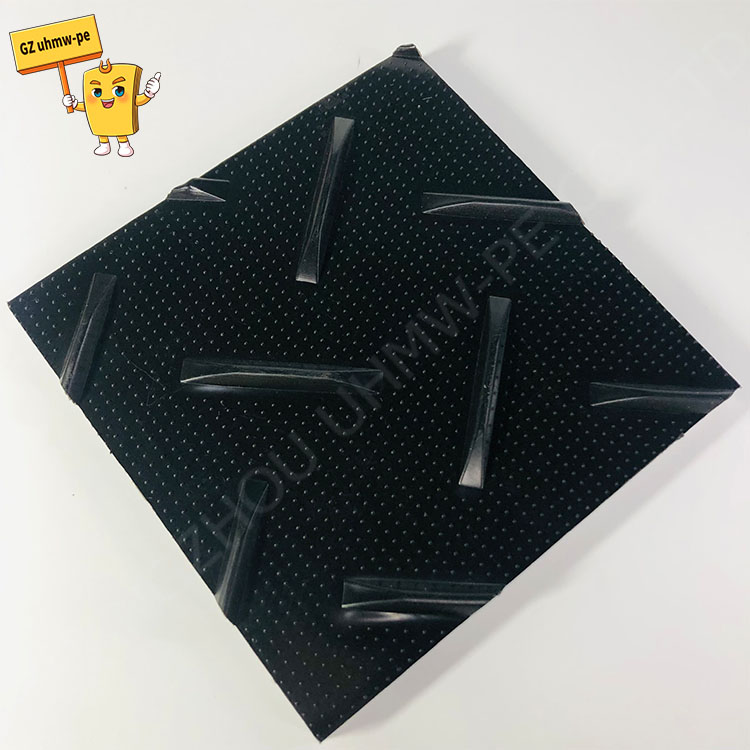
Other materials like High-Density Polyethylene (HDPE) and polypropylene (PP) are also used for less extreme applications. HDPE offers good stiffness and chemical resistance at a lower cost, while PP provides a balance of rigidity and toughness. However, for heavy crane operations, UHMWPE remains the gold standard. When sourcing mats, check the material grade and ask for certifications like SGS or ROHS to ensure you're getting genuine, high-quality resin. A reputable supplier, such as Guangzhou uhmw-pe co.,ltd, can provide third-party test reports that verify the material's physical properties, giving you confidence in its performance.
Load-Bearing Capacity and Ground Pressure Reduction
The primary functional requirement of a ground protection mat is its ability to handle the crane's maximum outrigger load and the total weight of the machine during operation. This involves understanding two key concepts: ultimate load capacity and ground pressure reduction factor. The ultimate load capacity is the maximum weight the mat can support without failing (cracking, permanent deformation, or breaking). However, a more practical measure is the allowable load considering a safety factor, typically 2:1 or 3:1 for crane operations.
Ground pressure reduction depends on the mat's dimensions and stiffness. A larger mat spreads the load over more ground, but if the mat is too flexible, it will conform to the underlying surface and not effectively distribute pressure to the edges. This is where material modulus and thickness come in. For example, a well-designed UHMWPE mat from Guangzhou uhmw-pe co.,ltd, with its high flexural modulus, maintains a flat profile under load, ensuring even pressure distribution. When evaluating mats, look for load charts or engineering data provided by the manufacturer. Ask about the mat's performance on different soil types, as bearing capacity varies greatly between compacted gravel and soft clay. Some advanced mats incorporate tread patterns or grids on the underside to increase friction and further spread the load, enhancing stability on slippery or uneven ground.
Durability and Longevity: Built to Last
Crane operations are not gentle on ground protection equipment. Mats are subjected to heavy compression, sharp outrigger points, dragging, and weather extremes. Durability is therefore a top criterion. UHMWPE excels here due to its exceptional abrasion resistance—often outperforming steel in sliding wear applications. This means the mat will not wear thin quickly, even when slid across abrasive surfaces. Its impact strength is also crucial; dropping a heavy outrigger onto the mat will not cause cracking, unlike fiberglass or brittle plastics.
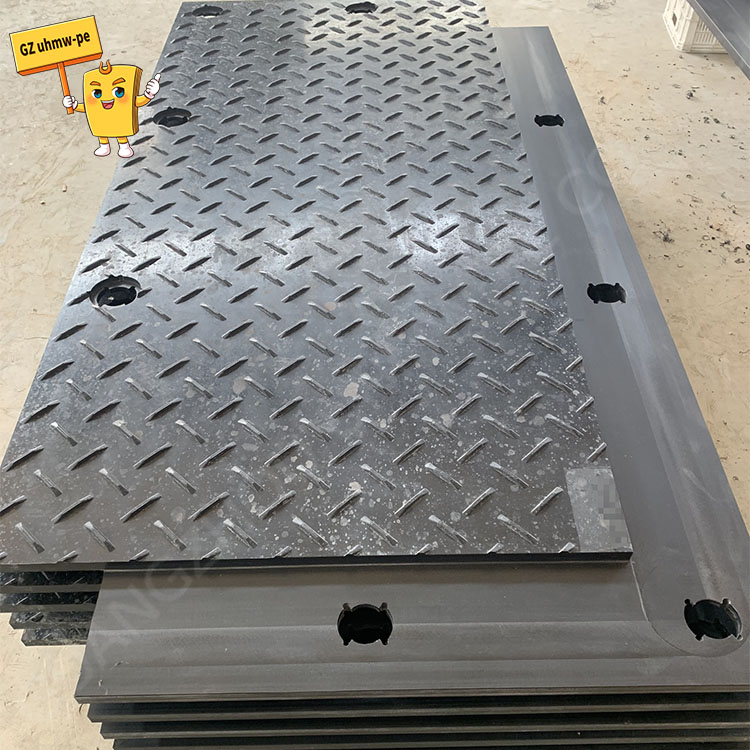
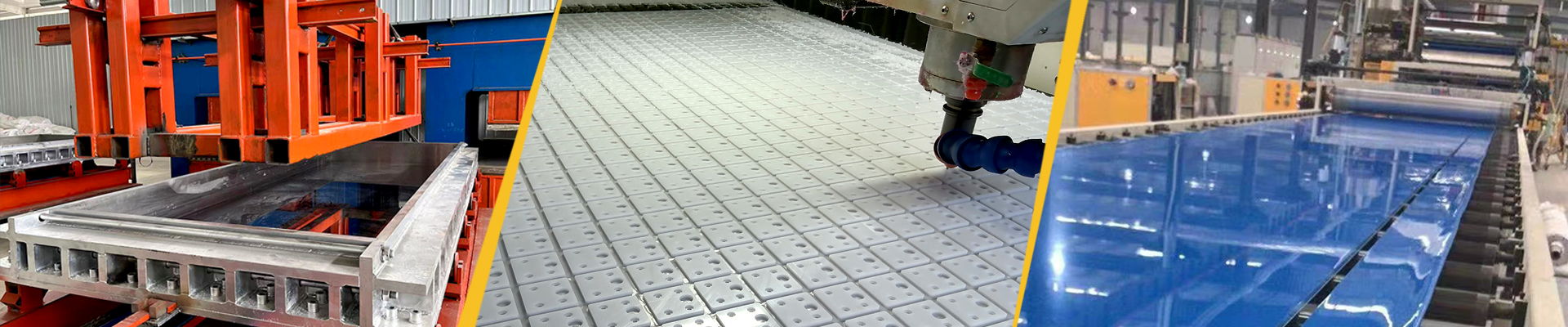
Look for mats that are manufactured using a molding or extrusion process with consistent thickness and no voids. Some manufacturers, including Guangzhou uhmw-pe co.,ltd, possess large-scale production lines capable of producing oversized sheets, such as UHMWPE sheets up to 6 meters in length. This capability allows for the creation of large, monolithic mats without weak joints or seams that could become failure points. Additionally, the mat should be resistant to environmental factors: UV stabilization prevents degradation from sunlight, and low moisture absorption prevents swelling or warping in wet conditions. A durable mat will withstand years of rough use, offering a lower total cost of ownership compared to frequently replaced alternatives.
Safety Features: Non-Conductive, Non-Sparking, and High-Visibility
Safety is paramount on any crane site. Ground protection mats should contribute to a safer working environment, not introduce new hazards. One of the significant advantages of UHMWPE and HDPE mats is that they are non-conductive. This is critical when working near power lines or electrical equipment, as it eliminates the risk of accidental electrocution through the mat. They are also non-sparking, making them suitable for petrochemical plants, refineries, and other environments where flammable atmospheres may be present.
Many mats come with additional safety features such as high-visibility colors (yellow, orange, or green) that make them easily noticeable on the site, reducing trip hazards. Some have reflective strips or textured surfaces for improved grip underfoot. Anti-static properties can also be engineered into the material formulation; companies like Guangzhou uhmw-pe co.,ltd have modification technologies to produce flame-retardant or antistatic UHMWPE sheets and shapes, tailored to specific hazardous conditions. When selecting mats, always consider the safety requirements of your job site and ensure the mats comply with relevant standards.
Customization and Machining: Exactly What You Need
Not every crane operation or site is the same, which is why off-the-shelf mat sizes may not always suffice. The ability to customize mats to your exact specifications can be a game-changer. A reputable manufacturer should offer custom machining services to cut, shape, and even engrave mats according to your drawings. For instance, you might need specific dimensions to fit unique outrigger spacing, or you may require cutouts for handling, stacking, or connecting multiple mats together.
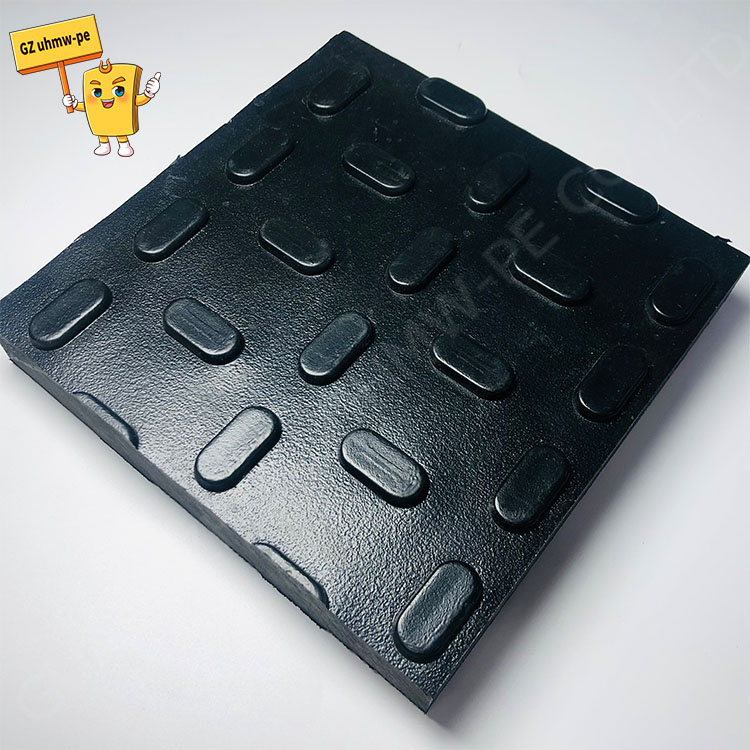
Guangzhou uhmw-pe co.,ltd exemplifies this service: they are equipped with advanced CNC machining centers and precision saws, enabling them to transform raw sheets into finished components with tight tolerances. Whether you need bolt holes, beveled edges, or custom-shaped outrigger pads, they can deliver. Moreover, if standard colors or material properties are insufficient, the company's material modification capabilities allow them to produce mats with enhanced wear resistance, low-temperature toughness, or even FDA compliance for sensitive environments. Customization ensures that the mat not only performs its primary function but integrates seamlessly into your operational workflow.
Ease of Handling and Logistics
Ground protection mats must be moved, positioned, and stored frequently. Therefore, weight and ease of handling are important practical considerations. One of the key advantages of plastic mats over steel is their significantly lower weight. UHMWPE mats, for example, offer the same load-bearing capability as much heavier steel plates but can be handled by fewer workers or lighter equipment. This reduces labor costs, speeds up setup time, and minimizes the risk of back injuries.
Look for features that enhance portability, such as integrated handholds, rope loops, or forklift tine slots. Some mats can be interlocked to create continuous roadways, which is invaluable when cranes need to traverse soft ground to reach their setup point. The logistics of supply are also a factor. A manufacturer with a global export track record, like Guangzhou uhmw-pe co.,ltd, has mature logistics, packaging, and foreign trade documentation capabilities, ensuring that your mats arrive on time and in perfect condition, whether you're working in Southeast Asia, the Middle East, or the Americas. When evaluating suppliers, ask about shipping options, lead times, and how they protect the mats during transit to prevent damage.
Environmental and Regulatory Compliance
Construction projects increasingly face stringent environmental regulations. Using mats that are environmentally responsible can help you meet compliance standards and avoid fines. UHMWPE and HDPE are non-toxic, chemically inert, and recyclable. They do not leach harmful substances into the soil, making them safe for use in sensitive areas like wetlands or near water bodies. Some mats are even made from recycled content, further reducing the environmental footprint.
When sourcing mats, look for certifications such as ROHS (Restriction of Hazardous Substances) and FDA (if food-grade applications are relevant), which indicate that the materials meet international health and environmental standards. Manufacturers like Guangzhou uhmw-pe co.,ltd can provide these certifications along with SGS test reports, confirming compliance with global regulations. Choosing certified mats demonstrates your company's commitment to sustainability and can be a requirement in certain tenders.
Cost-Effectiveness and Total Cost of Ownership
While the upfront cost of high-quality ground protection mats may seem significant, it is essential to evaluate the total cost of ownership (TCO) over the mat's lifespan. Cheaper alternatives like wood or low-grade plastics may require frequent replacement, leading to higher long-term costs due to material, labor, and disposal expenses. Additionally, failures in the field can cause expensive crane downtime, property damage, and potential liability claims.
UHMWPE mats from trusted manufacturers like Guangzhou uhmw-pe co.,ltd offer an excellent balance of cost-effectiveness and performance. Their extended service life, reduced maintenance, and lower transport costs (due to light weight) contribute to a lower TCO. Furthermore, compared to similar engineering plastic brands from Europe or the United States, these mats are competitively priced, offering significant savings without compromising on quality. The company's robust global supply experience ensures that you receive consistent, reliable products that provide a solid return on investment. When crunching the numbers, factor in not just the purchase price but also the expected lifespan, any downtime risk, and the resale value of durable mats.
Selecting the Right Supplier: A Partnership Approach
The supplier you choose can make or break your experience with ground protection mats. A good supplier is not just a vendor but a partner who understands your operational challenges and provides solutions. Look for a company with deep expertise in engineering plastics and a track record of serving similar industries. Guangzhou uhmw-pe co.,ltd, for instance, is a specialized manufacturer and solutions provider in high-performance engineering plastics, with years of experience serving infrastructure construction, mining, and heavy equipment sectors. Their team includes professionals with deep knowledge in material science and mechanical processing, ensuring that you get technical support when needed.
Also, assess the supplier's quality management system. International-grade extrusion and molding lines, coupled with rigorous testing facilities, are indicators of a supplier committed to consistency. A company that operates under ISO quality management system certification and can provide third-party test reports (SGS, ROHS, FDA) gives you confidence in every batch. Additionally, consider their ability to handle custom projects, from material modification to custom-shaped part processing. Guangzhou uhmw-pe co.,ltd offers a one-stop service: from material selection and mold design to finished product machining. This means you can go from a concept or a drawing to a field-ready component with minimal hassle. Finally, evaluate their customer service, communication, and willingness to stand behind their products.
Application Scenarios: Beyond Basic Crane Setups
While our focus is crane operations, the versatility of high-performance ground protection mats extends into many other applications, and understanding these can highlight the multifunctionality of your investment. Temporary roadways and staging areas for heavy trucks, excavators, and other equipment are common. In events and festivals, mats protect turf from foot traffic and vehicle loads. Synthetic ice rink boards made from similar materials demonstrate the low-friction and impact-resistant properties of UHMWPE in a completely different context. In mining, UHMWPE linings and guide rails show the material's abrasion resistance. By choosing a mat supplier with broad expertise, you gain access to a wealth of knowledge that can solve ancillary problems on your site. For example, Guangzhou uhmw-pe co.,ltd also produces outrigger pads, hopper linings, and custom wear guides, so they can support your crane operations with a suite of complementary products.
Inspection and Maintenance: Extending Mat Life
To get the most out of your ground protection mats, a simple inspection and maintenance routine is advisable. Before each use, check for cracks, delamination, or excessive wear. While UHMWPE is tough, edges can be damaged if repeatedly struck by steel tracks or outrigger teeth. Most damage is cosmetic, but any deep cuts that compromise the mat's structural integrity should be addressed. Cleaning mats of dirt and debris prevents surface scratching and maintains their high-visibility color. Store mats on a flat surface or on edge in a rack to prevent warping, though with low-creep materials like UHMWPE this is rarely an issue. Manufacturers like Guangzhou uhmw-pe co.,ltd design their mats for decades of service with minimal maintenance, further reducing the total cost of ownership.
Conclusion
Choosing the right ground protection mat for crane operations is a decision that impacts safety, efficiency, and profitability. By focusing on the material—ideally UHMWPE for its superior durability, lightness, and safety features—and verifying the mat's load capacity, dimensional accuracy, and surface protection, you lay the foundation for reliable crane setups. Customization, certification, and supplier expertise are equally vital, ensuring the mat fits your exact operational context and regulatory environment. Companies like Guangzhou uhmw-pe co.,ltd, with their advanced manufacturing, material modification know-how, and global supply capability, exemplify what to look for in a manufacturing partner. Their comprehensive range of ground protection mats, outrigger pads, and custom-engineered parts underscores the value of investing in quality. In an industry where downtime and failure are not options, equipping your crane fleet with high-performance ground protection is a strategic move that keeps your projects on solid ground—literally and figuratively. Make an informed choice, and your mats will pay for themselves many times over through prevented accidents, minimized surface damage, and enhanced operational flow.
Summary
Ground protection mats are a critical component for safe and efficient crane operations, preventing sinkage, surface damage, and tipping by distributing heavy loads. When choosing a mat, material is paramount: UHMWPE offers exceptional wear resistance, impact strength, low friction, and non-conductivity, making it far superior to traditional steel or wood. Key considerations include load-bearing capacity, proper ground pressure reduction, and durability under harsh site conditions. Safety features like non-sparking and high-visibility designs are essential, as are customization options to fit specific outrigger configurations and site requirements. A reliable supplier, such as Guangzhou uhmw-pe co.,ltd, provides not only high-quality mats but also value-added services like custom machining, material modification, and global logistics. Their UHMWPE mats are manufactured on large-scale production lines, ensuring consistent quality and the ability to produce oversized sheets. With certifications like SGS and ROHS, and a commitment to cost-effectiveness, they help lower total ownership costs. Ultimately, investing in top-tier ground protection enhances safety, protects the environment, and reduces long-term operational expenses, making it a wise choice for any crane operation.