This article explains why a 10mm polypropylene (PP) sheet provides superior chemical resistance, making it a top choice for industrial applications. It begins by detailing the molecular structure of PP, which is non-polar and saturated, giving it excellent resistance to acids, alkalis, and most solvents, while noting its limitations with strong oxidizers. The 10mm thickness is highlighted as a key advantage, offering a thicker barrier against chemical permeation, better dimensional stability, and the ability to withstand mechanical stress. The article includes a detailed table of chemical resistance properties, comparing PP with other plastics like UHMWPE, HDPE, nylon, POM, and PTFE, showing PP's balanced performance and cost-effectiveness. Real-world applications are discussed, including chemical storage tanks, electroplating lines, wastewater treatment, semiconductor manufacturing, and food processing. The article also showcases Guangzhou uhmw-pe co.,ltd, a leading manufacturer of engineering plastics, emphasizing their expertise in producing high-quality PP sheets, custom machining capabilities, and commitment to quality and environmental standards. Installation and fabrication tips are provided, along with case studies demonstrating successful use of 10mm PP sheets in various industries. Overall, the article concludes that a 10mm PP sheet is a reliable, durable, and cost-effective solution for environments where chemical resistance is critical, and partnering with a trusted supplier like Guangzhou uhmw-pe co.,ltd ensures optimal performance and long-term value.
In the realm of industrial materials, chemical resistance is a non-negotiable property. When components are exposed to aggressive chemicals, solvents, acids, and alkalis, the wrong material can lead to rapid degradation, costly downtime, and safety hazards. Among the array of engineering plastics available, polypropylene (PP) stands out for its exceptional balance of chemical inertness, mechanical strength, and cost-effectiveness. Specifically, a 10mm thick polypropylene sheet provides a robust barrier against a wide spectrum of corrosive substances, making it a preferred choice for tanks, linings, and structural components in demanding environments. This article delves into the science behind PP's chemical resistance, the advantages of the 10mm thickness, and real-world applications, all while highlighting the expertise of Guangzhou uhmw-pe co.,ltd, a leading manufacturer and solutions provider in high-performance engineering plastics.
The Molecular Foundation of Polypropylene's Chemical Resistance
To understand why polypropylene excels in chemical resistance, one must look at its molecular structure. Polypropylene is a thermoplastic polymer made from propylene monomers. Its backbone consists of a long chain of carbon atoms with pendant methyl groups (-CH3) attached to alternate carbon atoms. This saturated, non-polar structure is the key to its inertness. Non-polar materials tend to resist attack by polar molecules such as water, acids, and bases. Moreover, the absence of reactive functional groups means that PP does not readily undergo hydrolysis, oxidation, or other chemical reactions that would break down the polymer chain.
Compared to other common plastics, PP's chemical resistance is superior to that of nylon (which absorbs moisture and is attacked by strong acids) and POM (which is susceptible to hydrolysis in acidic environments). While HDPE (high-density polyethylene) also offers good chemical resistance, PP often outperforms it at higher temperatures due to its higher melting point (around 160-170°C). This makes PP an ideal material for applications involving hot corrosive liquids, such as in chemical processing, electroplating, and metal finishing industries.
undefined
Why Thickness Matters: The 10mm Advantage
When it comes to chemical resistance, thickness is a critical factor. A thicker sheet provides a longer path for chemicals to permeate before reaching the underlying substrate or the opposite side. The 10mm thickness offers a substantial barrier, significantly reducing the rate of permeation and extending the service life of the component. In many applications, a 10mm sheet is thick enough to withstand not only chemical attack but also mechanical stresses, impact, and abrasion, making it a versatile choice for heavy-duty linings and structural parts.
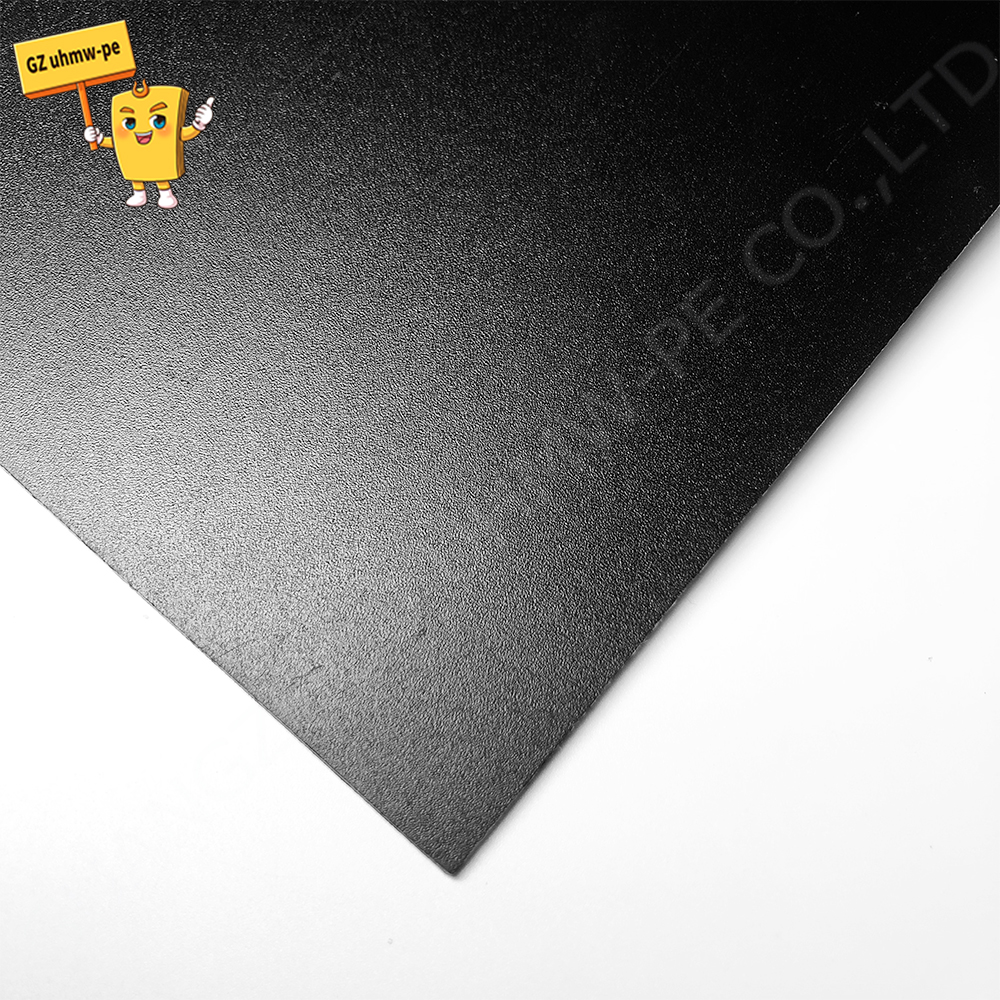
Furthermore, a 10mm sheet provides better dimensional stability and resistance to warping or deformation under load and temperature fluctuations. This is particularly important for applications such as tank linings, where the sheet must maintain its shape to ensure a proper seal and continuous protection. The added thickness also allows for machining of grooves, threads, or other features without compromising the material's integrity.
Chemical Resistance Properties in Detail
Polypropylene's chemical resistance is not universal; it is resistant to many but not all chemicals. Below is a detailed breakdown of its behavior in various chemical environments:
| Chemical Class | Resistance Level | Examples and Notes |
|---|---|---|
| Acids | Excellent | Resists most inorganic acids (e.g., sulfuric, hydrochloric, nitric) at moderate concentrations and temperatures. However, strong oxidizing acids like fuming sulfuric acid or concentrated nitric acid can cause degradation. |
| Alkalis | Excellent | Unaffected by most alkalis, including sodium hydroxide and potassium hydroxide, even at high concentrations and temperatures. |
| Solvents | Good to Excellent | Resists alcohols, ketones (acetone), and esters. However, it is attacked by some hydrocarbons (e.g., gasoline, benzene) and chlorinated solvents (e.g., carbon tetrachloride) at elevated temperatures. |
| Oxidizing Agents | Fair to Poor | Susceptible to attack by strong oxidizers like hydrogen peroxide and chromic acid, which can cause embrittlement and cracking. |
| Salts and Aqueous Solutions | Excellent | Unaffected by most salt solutions, making it suitable for marine and food processing applications. |
It is crucial to note that the actual resistance depends on concentration, temperature, and exposure time. For critical applications, it is advisable to conduct compatibility tests under actual operating conditions. Guangzhou uhmw-pe co.,ltd can provide guidance and testing services to ensure the right material selection.
Real-World Applications of 10mm PP Sheets
The superior chemical resistance of 10mm polypropylene sheets makes them indispensable in various industries. Some notable applications include:
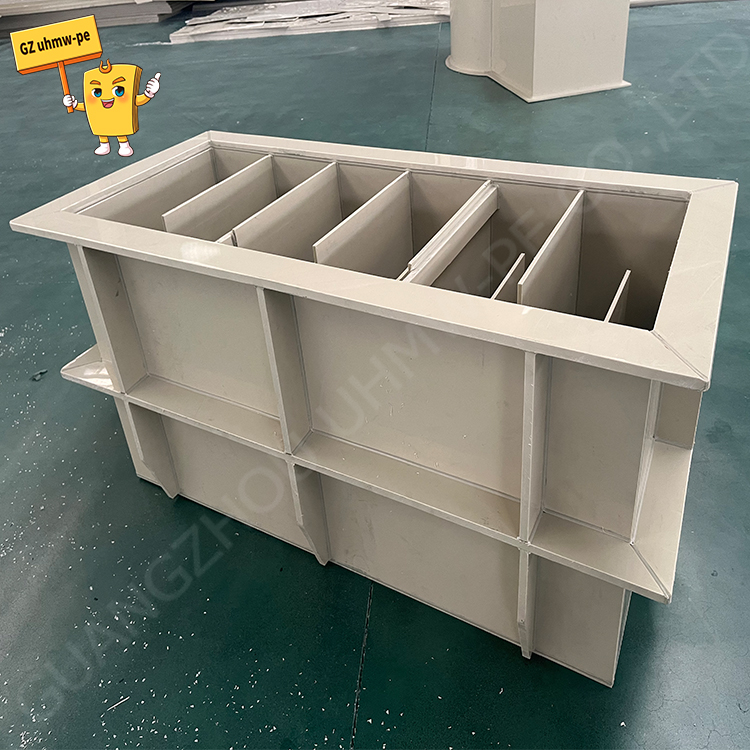
Chemical Storage Tanks and Containers
PP sheets are used to line or fabricate storage tanks for acids, alkalis, and other corrosive liquids. The 10mm thickness provides the necessary strength and durability to contain these chemicals safely, preventing leaks and environmental contamination.
Electroplating and Metal Finishing
In electroplating lines, PP sheets are used for tank linings, exhaust hoods, and ductwork due to their resistance to chromic acid, sulfuric acid, and other plating solutions. The non-conductive nature of PP also adds a safety advantage.
Wastewater Treatment
PP's resistance to a wide range of chemicals, including corrosive gases and acidic effluents, makes it ideal for lining clarifiers, weirs, and other components in wastewater treatment plants.
Semiconductor and Pharmaceutical Manufacturing
These industries require ultra-pure environments. PP sheets are used in wet benches, fume hoods, and chemical delivery systems due to their low extractables and resistance to the aggressive chemicals used in etching and cleaning processes.
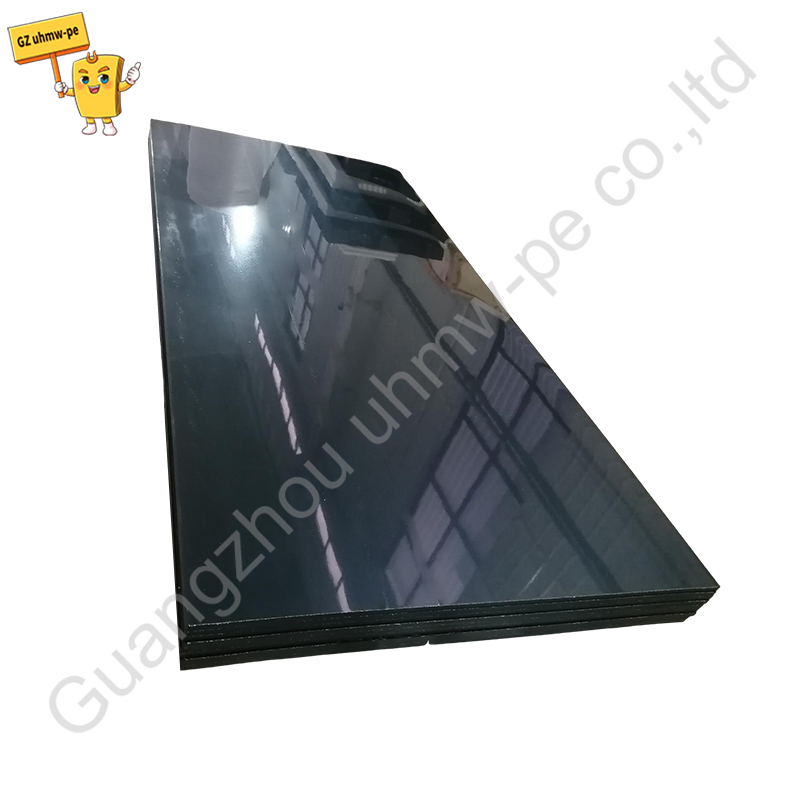
Food Processing
PP is FDA-approved for food contact. The 10mm sheets are used for cutting boards, work surfaces, and equipment linings where chemical cleaning agents are frequently used.
Guangzhou uhmw-pe co.,ltd: Your Partner in Engineering Plastics
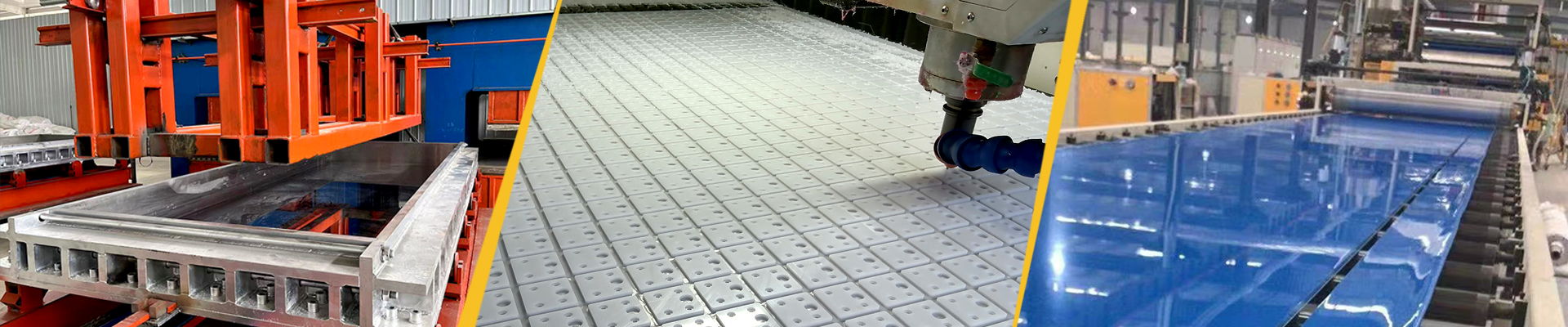
When it comes to sourcing high-quality polypropylene sheets, Guangzhou uhmw-pe co.,ltd stands out as a trusted manufacturer and solutions provider. Located in Guangzhou, adjacent to the Pazhou International Convention and Exhibition Center, the company has built a strong reputation for quality, reliability, and precision over many years of dedicated service. They specialize in high-performance engineering plastics, including UHMWPE, HDPE, PP, Nylon, POM, and PTFE.
Their core products include sheets and rods in various grades and dimensions, as well as finished goods such as ground protection mats, synthetic ice rink boards, outrigger pads, and UHMWPE lining sheets. The company's expertise extends to custom machining and value-added services, equipped with advanced CNC machining centers, precision saws, and engraving equipment. They can produce complex parts and assemblies exactly to specifications, meeting small-batch and quick-turnaround needs with ease.
Quality is paramount at Guangzhou uhmw-pe co.,ltd. They operate multiple international-grade extrusion and mould pressing lines and testing facilities, with a rigorous quality management system governing every step from raw material selection to final inspection. Their products comply with ISO quality management system certification, and they can provide third-party test reports from SGS, ROHS, FDA, and others, meeting international environmental and safety requirements.
One of the key strengths of Guangzhou uhmw-pe co.,ltd is their outstanding material modification and formulation capabilities. They can produce sheets, rods, and custom-shaped parts with special properties such as flame retardancy, antistatic properties, high wear resistance, and low-temperature resistance. This allows them to meet customized material requirements for various demanding operating conditions in industries such as mining, ports, power generation, and food processing machinery.
Furthermore, their robust customization and custom-shaped part processing capabilities, combined with large-scale production lines, enable them to manufacture UHMWPE sheets up to 6 meters in length and a wide range of thicknesses. They can also produce various large-diameter pipes and rods, giving them a significant production capacity advantage in supplying large-scale wear-resistant structural components.
With a global outlook, Guangzhou uhmw-pe co.,ltd has extensive export experience, with products sold to Southeast Asia, the Middle East, Europe, and the Americas. They offer competitive pricing compared to similar engineering plastic brands in Europe and the United States, while maintaining mature logistics, packaging, and foreign trade documentation capabilities, ensuring a stable supply to global customers.
Comparative Analysis: PP vs. Other Plastics
To fully appreciate the value of a 10mm PP sheet, it is helpful to compare its chemical resistance with other common engineering plastics:
| Material | Chemical Resistance | Temperature Limit | Other Considerations |
|---|---|---|---|
| Polypropylene (PP) | Excellent against acids, alkalis, and most solvents; poor against strong oxidizers. | Up to 100°C (continuous) | Lightweight, low cost, good impact resistance, easy to weld. |
| UHMWPE | Excellent against most chemicals, but not as good as PP against strong acids at high temperatures. | Up to 80°C (continuous) | Exceptional wear resistance, low friction, but higher cost. |
| HDPE | Very good, similar to PP but with slightly lower temperature resistance. | Up to 70°C (continuous) | Good impact strength, but less rigid than PP. |
| Nylon (PA6/PA66) | Poor to fair; absorbs moisture and attacked by strong acids and bases. | Up to 120°C (dry) | High mechanical strength, but not suitable for chemical environments. |
| POM (Acetal) | Fair; attacked by acids and bases, especially at high temperatures. | Up to 90°C (continuous) | High stiffness, low friction, but limited chemical resistance. |
| PTFE | Excellent against almost all chemicals, including strong oxidizers. | Up to 260°C (continuous) | Very expensive, low mechanical strength, high thermal expansion. |
As the table shows, PP offers a compelling balance of chemical resistance, temperature capability, and cost. For many applications, it outperforms UHMWPE and HDPE in chemical resistance, especially at higher temperatures, while being more affordable than PTFE.
Installation and Fabrication Tips for 10mm PP Sheets
To maximize the performance and longevity of a 10mm PP sheet, proper installation and fabrication are essential. Here are some best practices:
- Cutting: PP sheets can be cut using standard woodworking tools, but for clean edges, use a fine-toothed saw or a CNC router. For thick sheets, a water jet or laser cutting may be preferred.
- Welding: PP can be welded using hot gas welding, extrusion welding, or butt fusion. This creates strong, leak-proof joints. For tank linings, ensure that welds are continuous and free of voids.
- Bending: PP can be bent using a heat gun or oven. However, care must be taken to avoid overheating, which can cause deformation or degradation. The recommended bending temperature is around 150°C.
- Machining: PP is relatively easy to machine. Use sharp tools and low speeds to prevent melting. Coolant can be used to dissipate heat.
- Fastening: When fastening PP sheets, use stainless steel or plastic fasteners to avoid galvanic corrosion. Allow for thermal expansion by using slotted holes or oversized clearance holes.
Guangzhou uhmw-pe co.,ltd offers custom machining services, so customers can receive ready-to-install parts without the need for in-house fabrication. Their team of professionals can assist with design and material selection to ensure optimal performance.
Case Studies: Success Stories with 10mm PP Sheets
To illustrate the effectiveness of 10mm PP sheets, here are a few hypothetical case studies:
Case Study 1: Chemical Plant Tank Lining
A chemical plant in Southeast Asia needed to reline a steel storage tank used for 30% hydrochloric acid at 60°C. The previous rubber lining failed within a year. They replaced it with a 10mm PP sheet lining, welded with extrusion welding. The PP lining has been in service for over five years with no signs of degradation, saving the plant significant maintenance costs.
Case Study 2: Electroplating Line Components
An electroplating manufacturer in Europe used 10mm PP sheets to fabricate tank linings and exhaust hoods for their chrome plating line. The PP's resistance to chromic acid and high temperatures extended the life of the components by three times compared to the previous PVC, reducing downtime and improving safety.
Case Study 3: Food Processing Cutting Boards
A food processing facility in the United States switched to 10mm PP cutting boards for their meat processing line. The PP boards resisted the daily cleaning with harsh sanitizers and chlorine-based disinfectants, and their non-porous surface prevented bacterial growth, meeting FDA standards.
Environmental and Safety Considerations
Polypropylene is a recyclable material (SPI resin code 5). At the end of its service life, PP sheets can be recycled, reducing environmental impact. Additionally, PP is non-toxic and does not release harmful fumes when machined (though proper ventilation is recommended). This makes it a safer alternative to some other plastics.
Guangzhou uhmw-pe co.,ltd is committed to environmental responsibility. They adhere to international environmental standards and can provide ROHS and REACH compliance documentation. By choosing their products, customers can meet their own sustainability goals.
Conclusion
In summary, a 10mm polypropylene sheet offers superior chemical resistance due to its non-polar, saturated molecular structure, making it resistant to a wide range of acids, alkalis, and solvents. The 10mm thickness provides a robust barrier, ensuring long-term performance in demanding applications. From chemical storage tanks to food processing equipment, PP sheets are a reliable and cost-effective solution.
When sourcing PP sheets, partnering with a reputable manufacturer like Guangzhou uhmw-pe co.,ltd ensures high-quality materials, custom fabrication, and expert support. With their extensive experience, advanced production capabilities, and commitment to quality, they are well-equipped to meet your engineering plastic needs.
Whether you are a plant engineer, a procurement specialist, or a designer, understanding the chemical resistance of PP is crucial. By choosing the right material and thickness, you can enhance the durability and safety of your equipment, reduce maintenance costs, and improve operational efficiency. Contact Guangzhou uhmw-pe co.,ltd today to discuss your requirements and discover how their PP sheets can benefit your application.