In bulk material handling systems, a chute or hopper wall is exposed to continuous sliding contact, material impact, moisture, and repeated loading. When handled material sticks to the surface or wears the equipment structure, operators may face cleaning work, flow interruptions, and maintenance costs. A properly selected UHMWPE liner sheet can provide a low-friction, abrasion-resistant contact surface for suitable applications. This guide explains where UHMWPE lining sheets are commonly considered, what to evaluate before specifying them, and how custom fabrication can support a practical installation.
Guangzhou UHMW-PE Co., Ltd. supplies UHMWPE sheets and customized plastic components for industrial applications. For liner projects, the material grade, sheet thickness, dimensions, fixing method, and operating conditions should be reviewed together rather than selected by material name alone.
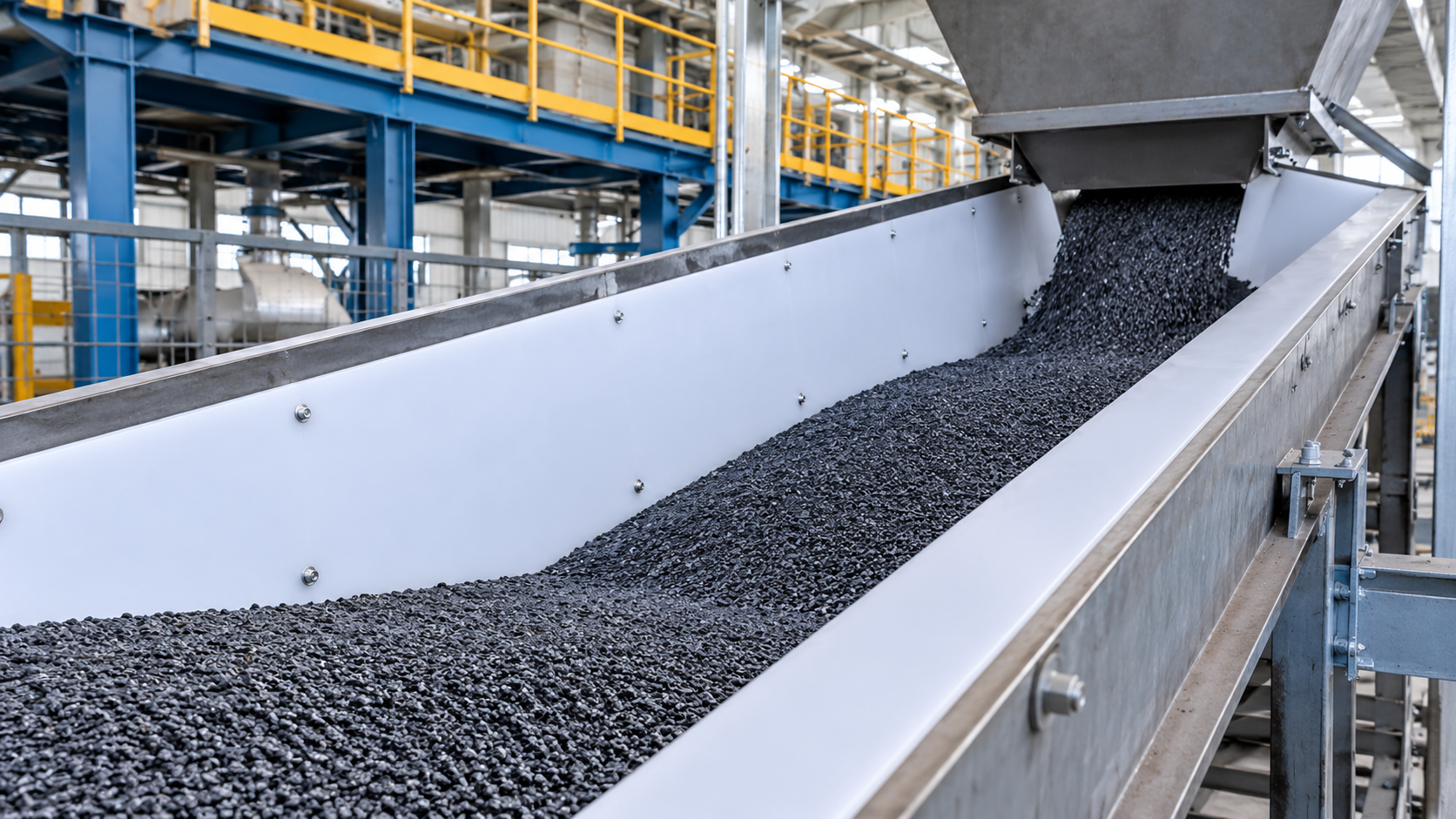
Table of Contents
- What Is a UHMWPE Liner Sheet?
- Why UHMWPE Is Used for Chute and Hopper Linings
- Typical Applications of UHMWPE Lining Sheets
- Practical Benefits in Material Handling
- Design and Installation Considerations
- UHMWPE vs. HDPE: How to Evaluate the Material
- Custom Cutting and Fabrication
- Frequently Asked Questions
- Request a UHMWPE Liner Quote
What Is a UHMWPE Liner Sheet?
UHMWPE stands for ultra-high-molecular-weight polyethylene, an engineering plastic known for its high abrasion resistance, impact toughness, and low-friction surface. In industrial equipment, UHMWPE sheet is often fabricated into replaceable liners that cover selected contact areas inside chutes, hoppers, bins, truck bodies, and other material-handling structures.
Unlike a structural steel wall, a polymer liner is generally used as a protective or wear-facing layer attached to a supporting structure. The support, fasteners, panel joints, and operating loads remain important parts of the complete design.
Explore our UHMWPE sheet and engineering plastic product range to discuss sheet materials and custom component requirements.
Why UHMWPE Is Used for Chute and Hopper Linings
- Low friction: The naturally low-friction surface may help bulk solids slide across suitable liner areas and reduce material adhesion.
- Abrasion resistance: UHMWPE is widely selected for sliding-wear applications where particles repeatedly contact the lining.
- Impact toughness: The material can absorb impact better than many brittle plastics, although severe direct impact still requires engineering review.
- Moisture resistance: Polyethylene absorbs very little water and does not rust, making it useful in many wet handling environments.
- Fabrication flexibility: Sheets can be cut and machined to fit equipment geometry and maintenance requirements.
Typical Applications of UHMWPE Lining Sheets
Chutes and Transfer Points
In conveyor transfer systems, UHMWPE sheets may be used as wear-facing panels in areas where material slides along a chute. Liner layout should follow the actual wear pattern and allow inspection or replacement of high-wear sections.
Hoppers, Bins, and Silos
For suitable bulk materials, a low-friction liner can help reduce buildup on hopper walls. The result depends on wall angle, outlet geometry, material moisture, and the friction characteristics of the handled product.
Truck and Trailer Bodies
UHMWPE lining sheets may be considered for selected truck or trailer body surfaces where abrasive loads and material discharge are concerns. The attachment system and sheet movement under temperature changes should be checked before fabrication.
Mining, Quarrying, and Bulk Handling Equipment
Mining and aggregate facilities handle abrasive solids that can wear exposed metal surfaces. UHMWPE can serve as a replaceable liner in appropriate sliding zones, while high-energy impact locations may require a different or combined wear-protection design.
Practical Benefits in Material Handling
When correctly specified and installed, a liner system may help protect the equipment substrate, reduce material buildup in selected areas, and simplify maintenance by allowing worn panels to be replaced. Liner selection should be based on the total operating environment and not on a broad claim of a fixed service life.
- Protects selected equipment surfaces from sliding abrasion
- May reduce sticking and buildup where low surface friction is beneficial
- Can be fabricated as replaceable panels for maintenance access
- Provides a non-metallic contact surface in suitable environments
Design and Installation Considerations
Before specifying a liner, evaluate the handled material, particle size, moisture content, flow rate, drop height, impact direction, operating temperature, and expected wear location. These factors help determine whether the application is mainly sliding wear, direct impact, or a combination of both.
- Substrate: Confirm that the steel or supporting structure is sound, adequately supported, and prepared for attachment.
- Thickness: Select thickness according to wear allowance, impact exposure, panel size, and fixing design.
- Fasteners and joints: Avoid protruding hardware or joint edges that can catch material. Account for polymer thermal expansion.
- Panel layout: Consider access, lifting and handling, replacement sequence, and localized wear zones.
- Temperature: Verify the material's recommended service range for the actual operating conditions.
For severe impact from large, sharp lumps or high drop heights, UHMWPE alone may not be the best choice in the impact zone. A hybrid arrangement using appropriate impact protection and polymer liners in sliding areas may be more suitable.
UHMWPE vs. HDPE: How to Evaluate the Material
UHMWPE and HDPE are both polyethylene materials, but they are not interchangeable in every wear application. UHMWPE is commonly chosen where sliding abrasion and low friction are priorities. HDPE may be considered for applications with different wear demands or budget constraints. The correct comparison should use the actual grade, technical data, and duty conditions.
Custom Cutting and Fabrication
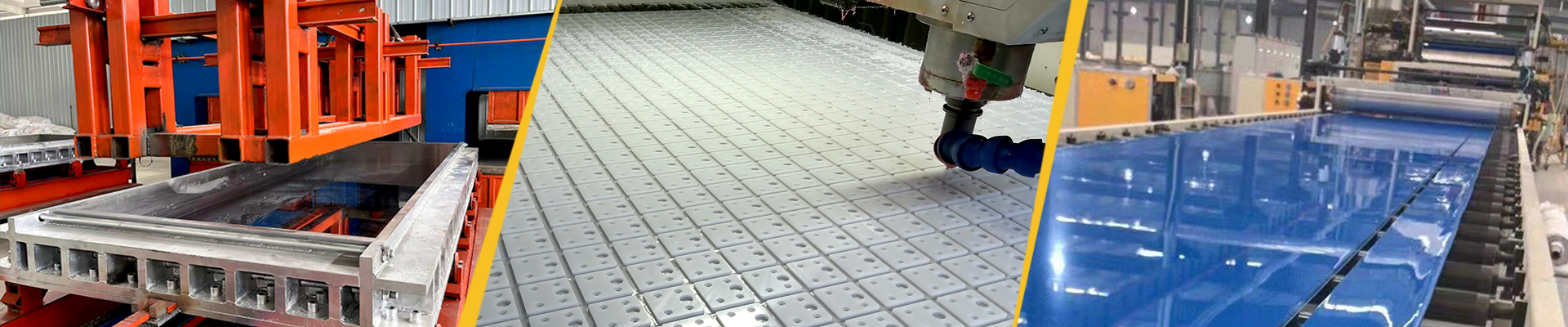
UHMWPE sheets can be processed into liner panels and custom-shaped parts using suitable cutting and machining methods. For a quotation, provide a drawing or clear dimensions, liner location, quantity, required thickness, hole pattern, countersinking details if needed, and the intended material-handling conditions.
Our team can review project requirements for UHMWPE sheets and custom plastic components. Final suitability and specifications should be confirmed against the application.
Frequently Asked Questions
Can UHMWPE liner sheets prevent all hopper blockages?
No. A low-friction liner may help reduce wall buildup in suitable conditions, but blockage can also result from hopper geometry, moisture, cohesion, outlet size, or incorrect flow design.
Are UHMWPE liners suitable for every impact zone?
No. Direct impact from large or sharp material at high drop heights can damage polymer liners. Impact zones should be assessed separately and may require additional protection or a different material.
Can UHMWPE liner panels be custom cut?
Custom dimensions and machining features can be discussed based on drawings, quantity, thickness, and fabrication requirements. Confirm tolerances and processing details before production.
How do I choose liner thickness?
Thickness depends on wear rate, impact, support spacing, panel dimensions, and fixing arrangement. Share the operating details with the supplier or engineer for a project-specific recommendation.
Does UHMWPE need maintenance?
Inspect liner panels, joints, and fasteners periodically. Replace damaged or excessively worn sections according to the site's maintenance and safety procedures.
Request a UHMWPE Liner Quote
Planning a chute, hopper, bin, or truck-body lining project? Send your application details, material type, equipment drawing, dimensions, thickness target, quantity, and operating conditions to help us review your requirements. Contact GUANGZHOU UHMW-PE CO,.LTD to discuss UHMWPE sheets and customized industrial plastic components.