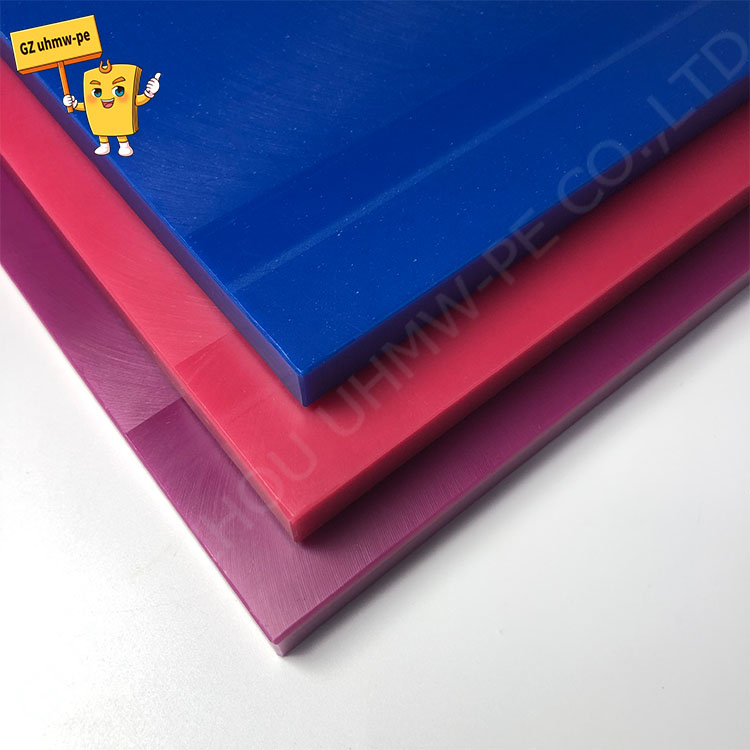
This article compares extruded and compression molded UHMWPE board quality, highlighting how the manufacturing process influences molecular orientation, mechanical properties, internal stress, and wear resistance. Extruded boards exhibit anisotropy with higher strength in the machine direction but lower transverse properties, while compression molded boards offer isotropic performance and better dimensional stability. Guangzhou uhmw-pe co.,ltd, a specialized manufacturer of high-performance engineering plastics, operates both extrusion and compression molding lines, producing sheets, rods, and finished goods like ground protection mats, synthetic ice rinks, outrigger pads, and lining sheets. The company leverages large-scale production to manufacture oversized products up to 6 meters, and provides customization with special properties such as flame retardancy or antistatic behavior. Quality control includes ISO certification and third-party SGS, ROHS, FDA reports. Cost considerations show extrusion is more economical for standard large sheets, while compression molding is preferred for complex or isotropic parts. Applications span mining, winter sports, heavy equipment, and food processing. The article concludes that the choice depends on specific requirements, and Guangzhou uhmw-pe co.,ltd offers expert guidance to select the optimal process, backed by global supply experience.
When selecting UHMWPE (Ultra-High Molecular Weight Polyethylene) boards for demanding industrial applications, the manufacturing process—extrusion versus compression molding—plays a crucial role in determining final product quality. Each method imparts distinct characteristics in terms of molecular orientation, internal stress, dimensional stability, and overall performance. This article provides an in-depth comparison to help engineers and procurement professionals make informed decisions.
Understanding the Manufacturing Processes
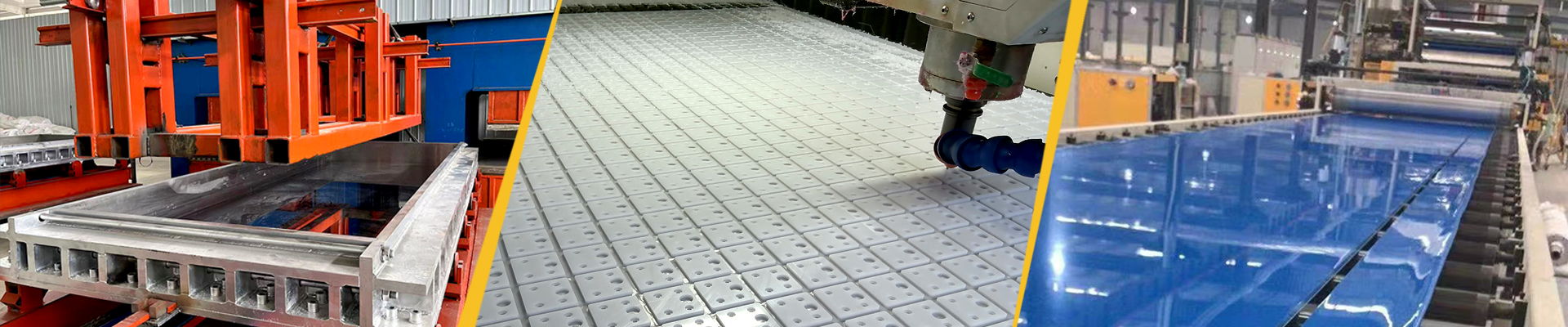
Extrusion involves melting UHMWPE resin and forcing it through a die to form a continuous sheet, followed by cooling and cutting. This process aligns polymer chains in the machine direction, creating anisotropic properties. In contrast, compression molding uses heat and pressure to consolidate resin powder in a mold, allowing for isotropic orientation as the material flows uniformly in all directions.
Guangzhou uhmw-pe co.,ltd, a specialized manufacturer and solutions provider in high-performance engineering plastics, operates both multiple international-grade extrusion and mold pressing lines. Located in Guangzhou, adjacent to the Pazhou International Convention and Exhibition Center, the company has built a strong reputation for quality, reliability, and precision over many years of dedicated service. Their core products include UHMWPE sheets, rods, and finished goods such as ground protection mats, synthetic ice rink boards, outrigger pads, and lining sheets.
undefined
Key Quality Differences
Molecular Orientation and Mechanical Properties
Extruded UHMWPE boards exhibit higher tensile strength and modulus in the extrusion direction due to chain alignment. However, this also leads to greater anisotropy: properties in the transverse direction are inferior. Compression molded boards, by contrast, have more uniform mechanical properties in all directions, making them preferable for applications requiring multidirectional load bearing.
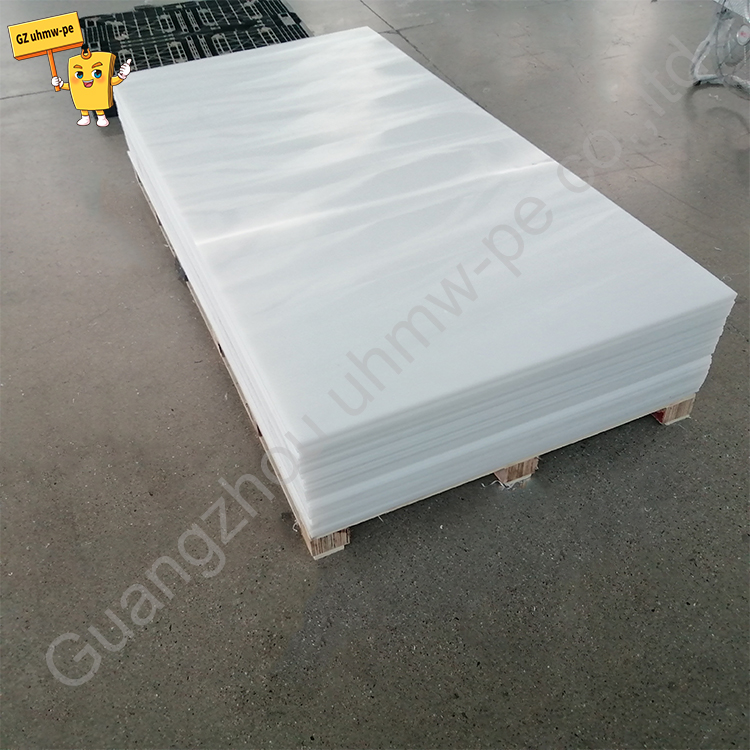
Table 1: Typical Mechanical Properties Comparison
| Property | Extruded (MD) | Extruded (TD) | Compression Molded |
|---|---|---|---|
| Tensile Strength (MPa) | 45 | 30 | 38 |
| Elongation at Break (%) | 300 | 200 | 350 |
| Izod Impact (kJ/m²) | No break | 80 | No break |
| Wear Resistance (weight loss, mg) | 2 | 4 | 3 |
Internal Stress and Dimensional Stability
Extrusion often introduces residual stresses from rapid cooling, which can cause warpage or distortion during machining or thermal cycling. Compression molding, with its slower cooling under pressure, produces lower internal stresses and better dimensional stability. Guangzhou uhmw-pe co.,ltd employs rigorous quality control, including dimensional checks and stress relief processes, to ensure consistent quality in both product lines.
Wear Resistance and Surface Quality
Both methods yield excellent wear resistance intrinsic to UHMWPE. However, compression molded boards typically have a more uniform surface with fewer defects, as the process allows for careful control of melt front. Extruded sheets may exhibit slight die lines or surface irregularities. For applications like chute liners or guide rails, where smooth material flow is critical, compression molded boards often perform better. Guangzhou uhmw-pe co.,ltd’s UHMWPE lining sheets are available in both types, with customization options for special properties such as flame retardancy or antistatic behavior.
Application Considerations
Choosing between extruded and compression molded UHMWPE depends on the specific application. For large sheets where cost is a primary concern and directional loads are predictable, extrusion offers economic benefits. For components requiring isotropic properties, tight tolerances, or complex shapes, compression molding is superior. Guangzhou uhmw-pe co.,ltd leverages its large-scale production lines to manufacture oversized products—up to 6 meters in length—using both processes, catering to diverse industries from mining to food processing.
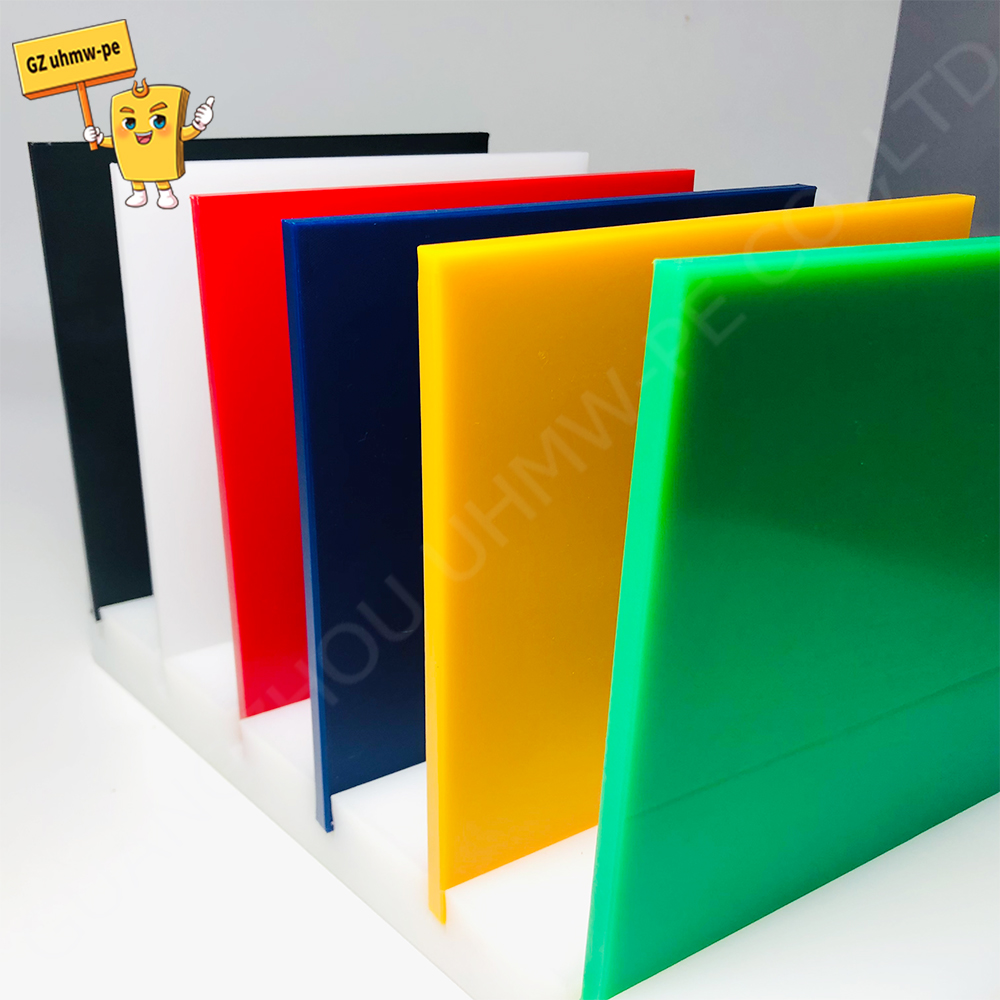
Key Application Scenarios:
- Mining & Bulk Handling: Compression molded liners for hoppers and chutes minimize wear and prevent material sticking.
- Winter Sports: Synthetic ice rink boards benefit from the low friction and isotropic properties of compression molded UHMWPE.
- Heavy Equipment: Outrigger pads and wear pads often use extruded sheets for their high strength in specific directions.
- Food Industry: Cutting boards and wear strips require food-grade certification, which Guangzhou uhmw-pe co.,ltd provides for both types.
Cost and Production Efficiency
Extrusion lines operate continuously, offering higher throughput and lower per-unit cost for standard sheets. Compression molding is batch-based, with longer cycle times, but allows for greater thickness control and ability to incorporate modifications like antistatic additives. Guangzhou uhmw-pe co.,ltd balances these methods to offer competitive pricing while maintaining quality. Their team of material science experts assists customers in selecting the optimal process for their budget and performance requirements.
Quality Assurance and Certifications
Both extruded and compression molded boards from Guangzhou uhmw-pe co.,ltd comply with ISO quality management certification. The company provides third-party test reports from SGS, ROHS, and FDA, meeting international environmental and safety standards. Dimensional accuracy and consistency of physical properties are well-controlled, providing a reliable foundation for replacing imported materials.
Conclusion
In the debate over extruded vs compression molded UHMWPE board quality, there is no universal winner. Extrusion excels in cost and directional strength, while compression molding offers uniformity and dimensional stability. By understanding these differences and leveraging the expertise of manufacturers like Guangzhou uhmw-pe co.,ltd, end-users can select the ideal board for their specific application. The company’s robust customization capabilities, large-scale production lines, and global supply experience make it a trusted partner for engineering plastic solutions worldwide.