This article compares HDPE, wood, and glass chopping boards, focusing on hygiene, knife friendliness, durability, maintenance, and cost. HDPE boards offer excellent hygiene, low maintenance, and good knife friendliness, making them ideal for commercial kitchens. Wood boards provide a natural aesthetic and are gentle on knives but require regular oiling and are porous. Glass boards are non-porous but extremely hard, dulling knives quickly and prone to shattering. The article emphasizes the importance of material selection based on specific needs and highlights Guangzhou uhmw-pe co.,ltd as a specialized manufacturer of HDPE products that meet food-grade standards. A comparison table summarizes key features. For most professionals, HDPE strikes the best balance between hygiene, durability, and cost, while wood remains a favorite for home enthusiasts. Glass is not recommended for cutting. The article concludes that understanding the unique properties of each material leads to an informed choice that enhances kitchen safety and efficiency.
In the world of culinary preparation, the chopping board is an essential tool that directly impacts food safety, knife longevity, and overall kitchen efficiency. Three primary materials dominate the market: high-density polyethylene (HDPE), wood, and glass. Each offers distinct advantages and drawbacks. This article provides an in-depth comparison, drawing on insights from industry experts and material science. Guangzhou uhmw-pe co.,ltd, a specialized manufacturer of high-performance engineering plastics including HDPE, emphasizes that understanding the unique properties of each material is key to making an informed choice.
HDPE Chopping Boards: The Modern Workhorse
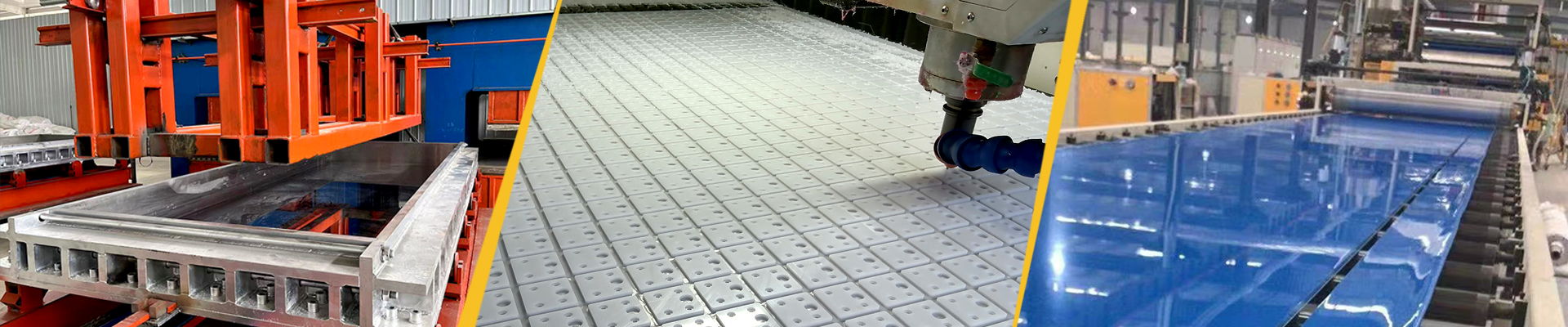
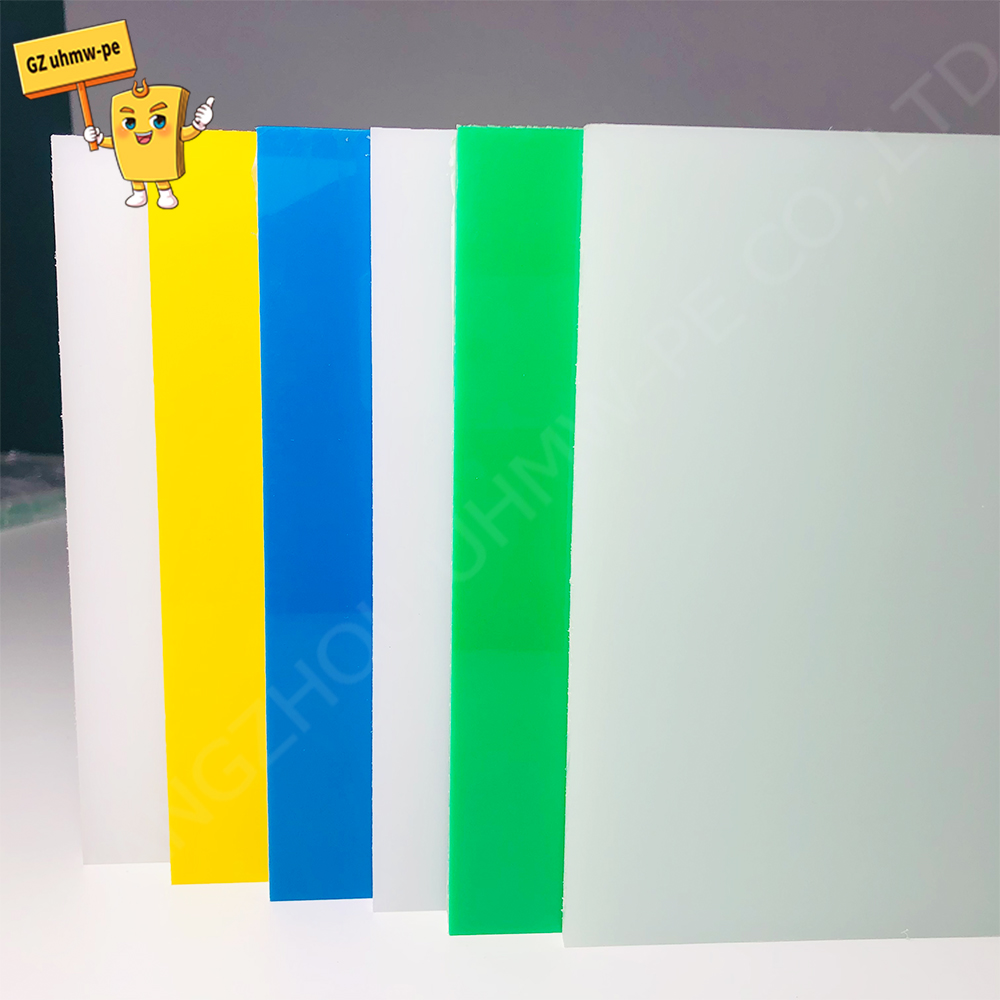
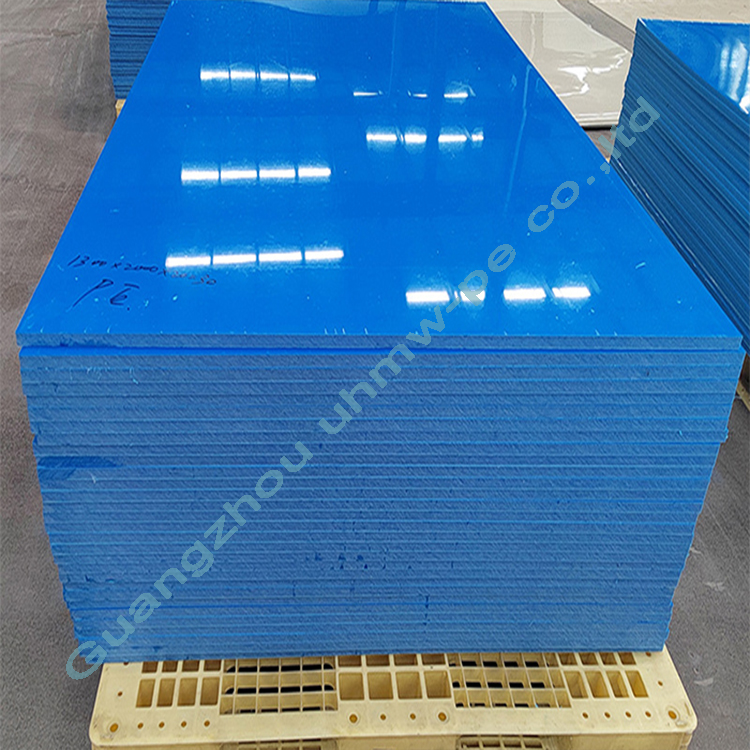
HDPE chopping boards are made from a thermoplastic polymer known for its durability, non-porosity, and resistance to moisture and chemicals. Unlike wood, HDPE does not absorb liquids, making it highly hygienic and easy to clean. It withstands heavy use without cracking or splintering, and its self-lubricating properties reduce knife wear. Guangzhou uhmw-pe co.,ltd produces HDPE sheets and rods for various applications, including food-grade cutting boards, using advanced extrusion and molding techniques to meet international safety standards like FDA and SGS certifications.
undefined
Key benefits of HDPE boards include:
- Non-porous surface prevents bacterial growth and odors.
- Dishwasher safe and resistant to warping.
- Gentle on knife edges compared to glass.
- Available in various colors for color-coded food safety systems.
However, HDPE can develop cut grooves over time, which may harbor bacteria if not properly sanitized. Some users also note that HDPE boards can be slippery unless textured. Despite these minor drawbacks, HDPE remains a top choice for commercial kitchens and home cooks prioritizing hygiene and durability.
Wood Chopping Boards: Timeless and Natural
Wood boards, particularly those made from hardwoods like maple, walnut, and teak, have been used for centuries. They offer a natural, warm aesthetic and are known for being gentle on knives. Wood contains natural antimicrobial properties, and studies have shown that bacteria often die off in wooden surfaces more quickly than on plastic. However, wood is porous and can absorb moisture, leading to warping, cracking, and potential contamination if not properly maintained.
Care for wood boards requires regular oiling with mineral oil and avoiding dishwashers. They are heavier and more expensive than HDPE boards. For professionals who value both beauty and function, wood remains a classic choice, but its maintenance demands may not suit every kitchen environment.
Glass Chopping Boards: Aesthetic but Impractical
Glass chopping boards, often made from tempered glass, are highly durable and non-porous, making them easy to clean and resistant to stains and odors. However, glass is extremely hard and can dull knives quickly, damaging the blade's edge. Additionally, glass surfaces are brittle and may shatter if dropped or subjected to sudden temperature changes. Glass boards also lack the cutting feel of wood or plastic, and their smooth surface can cause ingredients to slide.
While glass boards are visually appealing and useful as serving platters, they are not recommended for routine chopping, especially for heavy-duty tasks. Most culinary professionals advise against glass for daily cutting.
Comparison Table
| Feature | HDPE | Wood | Glass |
|---|---|---|---|
| Hygiene | Excellent | Good (with proper care) | Excellent |
| Knife Friendliness | Good | Excellent | Poor |
| Durability | High | Medium | Low (brittle) |
| Maintenance | Low | High | Low |
| Cost | Low | Medium-High | Low |
Environmental Impact and Sustainability
Wood is a renewable resource, especially if sourced from sustainably managed forests. HDPE, while petroleum-based, is fully recyclable and many manufacturers, including Guangzhou uhmw-pe co.,ltd, implement recycling programs for production waste. Glass is made from abundant raw materials but has high energy costs in production. For eco-conscious consumers, wooden boards from certified sources may be preferable, while HDPE offers a long lifespan and recyclability.
Conclusion: Choosing the Right Board
The decision ultimately depends on user priorities. For high-volume commercial kitchens where hygiene and easy sanitation are paramount, HDPE boards from reliable manufacturers like Guangzhou uhmw-pe co.,ltd are an excellent choice. Home cooks who value knife preservation and tradition may prefer wood. Glass boards are best limited to specific uses like rolling dough or serving. By considering factors such as maintenance, knife care, and material properties, one can select the chopping board that best fits their culinary needs.
About the Expert: Guangzhou uhmw-pe co.,ltd is a leading supplier of engineered plastic solutions, including HDPE sheets and custom-machined parts for food processing equipment. Their products undergo strict quality control and are used in demanding environments worldwide.