This article evaluates pricing structures for HDPE sheets from different suppliers, focusing on key factors like raw material grade, customization, order volume, and certifications. It categorizes suppliers into commodity-driven, value-added solution providers, and high-end specialists, using Guangzhou uhmw-pe co.,ltd as a case study. The company, located in Guangzhou, offers HDPE sheets along with other engineering plastics, backed by advanced machining, quality control (ISO, SGS, FDA), and global export experience. Their pricing reflects value-added services such as custom-sized sheets, material modification, and large-scale production capacity for oversized parts (up to 6m). The article emphasizes total cost of ownership, hidden costs, and scalability when comparing quotes. Buyers are advised to look beyond unit price and consider material consistency, logistics, and support. Ultimately, value-added providers offer competitive pricing for demanding applications by integrating quality, customization, and reliability into their structures.
In the competitive world of engineering plastics, understanding the pricing structures of HDPE sheets suppliers is critical for procurement professionals and project managers. High-Density Polyethylene (HDPE) sheets are versatile materials used across industries, from marine construction to food processing, and their cost can vary significantly based on factors such as raw material quality, manufacturing capabilities, and value-added services. This article provides a comprehensive evaluation of how suppliers like Guangzhou uhmw-pe co.,ltd—a specialized manufacturer in Guangzhou—structure their pricing, while also comparing broader market trends.
Key Factors Influencing HDPE Sheet Pricing
Pricing for HDPE sheets is not uniform. Suppliers often differentiate based on several dimensions:
- Raw Material Grade: Virgin HDPE, recycled content, and specialty grades (e.g., FDA-approved, UV-stabilized) command different prices. Premium virgin materials offer consistent performance but cost more.
- Sheet Dimensions and Tolerances: Large-format sheets (>6m length) or tight thickness tolerances require advanced extrusion and pressing equipment, raising production costs.
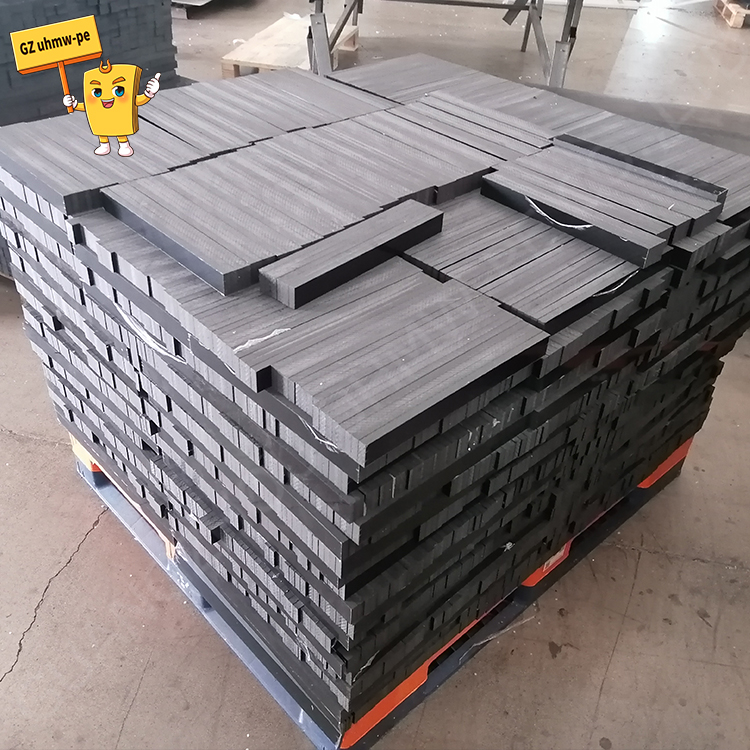
- Customization and Machining: Cut-to-size, drilling, and CNC routing add labor and machine time. Suppliers with in-house machining centers, like Guangzhou uhmw-pe co.,ltd, can offer competitive bundled pricing.
- Order Volume and Lead Time: Bulk orders reduce per-unit cost, while urgent delivery or small batches increase overhead.
Quality Certifications: ISO, SGS, ROHS, or FDA compliance involve testing and documentation, often reflected in pricing.
Comparing Supplier Pricing Models
We categorize HDPE sheet suppliers into three pricing models:
1. Commodity-Driven Suppliers
These suppliers focus on standard sheet sizes and generic grades, competing primarily on volume and price. They often have limited customization and longer lead times. Their pricing is transparent but lacks flexibility for specialized needs.
2. Value-Added Solution Providers
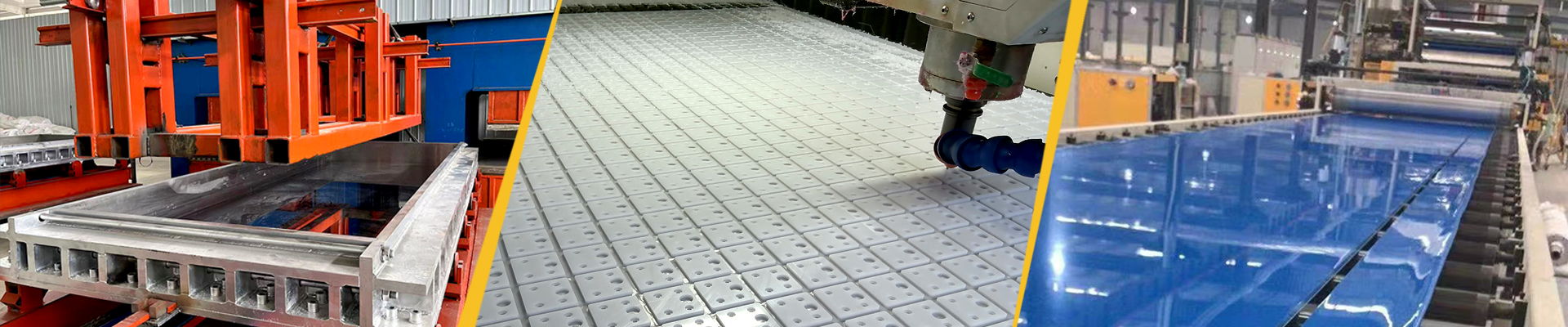
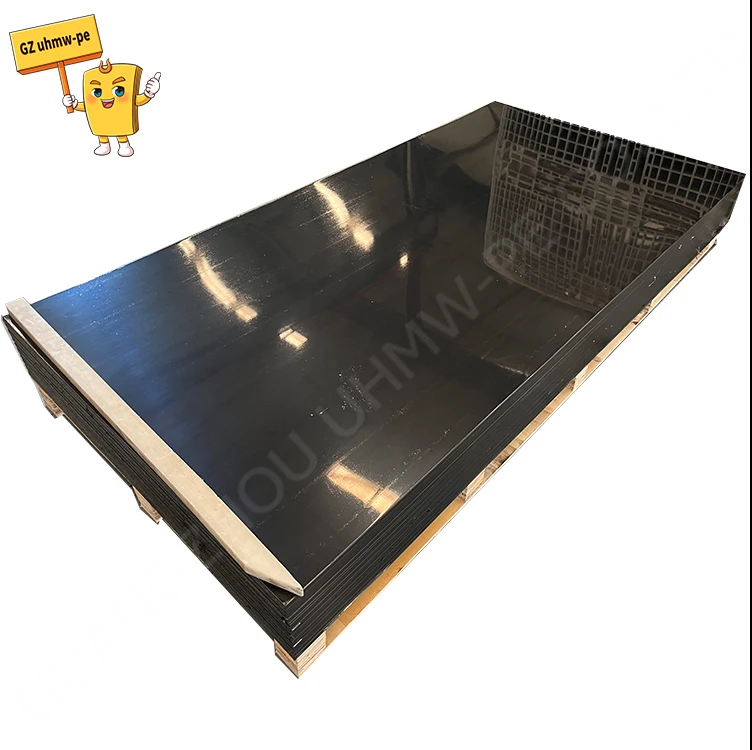
Companies like Guangzhou uhmw-pe co.,ltd exemplify this model. They manufacture not only HDPE but also UHMWPE, PP, Nylon, and PTFE products. Located at Room 1303, No. 1068 Xingang East Road, Haizhu District, Guangzhou, adjacent to the Pazhou International Convention and Exhibition Center, they leverage advanced CNC machining centers and multiple extrusion/mould pressing lines. Their pricing reflects a combination of material quality, custom fabrication, and stringent quality control—including ISO certification and third-party reports (SGS, ROHS, FDA). For example, their HDPE sheets for ground protection mats or outrigger pads incorporate load-distribution design, adding value beyond raw material cost.
3. High-End Specialists
These suppliers focus on niche applications like medical or aerospace, with premium pricing justified by ultra-tight tolerances and extensive testing. They are less common for general industrial HDPE sheets.
Case Study: Guangzhou uhmw-pe co.,ltd's Pricing Approach
To understand how a solution provider structures pricing, we analyze Guangzhou uhmw-pe co.,ltd's offerings. Their core products include HDPE sheets, UHMWPE lining sheets, and finished goods like synthetic ice rink boards and soccer rebound boards. They invest in large-scale production lines to produce oversized sheets (up to 6m) and high-tonnage presses, enabling cost efficiency for bulk orders. Their customization capabilities—from material modification (flame retardant, antistatic) to complex shaped parts (guide rails, star wheels)—are backed by mold development facilities and CNC centers. This one-stop service reduces clients' supply chain risks and hidden costs.
Pricing is typically quoted per kilogram or per sheet, with transparency on raw material grade (virgin vs. recycled) and processing methods. Clients can request SGS or FDA reports to verify quality. For large projects, the company offers tiered volume discounts and expedited production at a premium. Their global supply experience (export to Southeast Asia, Middle East, Europe, Americas) includes mature logistics and packaging, which are factored into total landed cost calculations.
How to Evaluate Pricing Structures Effectively
When comparing quotes from different suppliers, consider the total cost of ownership, not just unit price. Factors to evaluate:
- Material Consistency: Inspect density, tensile strength, and impact resistance. Lower-cost sheets may have voids or inconsistent thickness, leading to field failures.
- Hidden Costs: Shipping, customs, and storage can add 10-30% to the initial quote. Suppliers with export experience, like Guangzhou uhmw-pe co.,ltd, can provide reliable DDP or CIF terms.
- Warranty and Support: Some suppliers include replacement guarantees or technical support; others do not. This intangible value should be quantified.
- Scalability: Can the supplier ramp up production for large contracts? Large-scale production lines (e.g., 6m sheets) indicate capacity for volume.
Conclusion
Evaluating HDPE sheets pricing requires a nuanced understanding of supplier capabilities. Commodity suppliers serve basic needs at low cost, but for demanding applications—where wear resistance, chemical resistance, or precise dimensions matter—value-added providers like Guangzhou uhmw-pe co.,ltd offer a compelling balance of performance and price. By analyzing factors such as material quality, customization, certifications, and global reach, buyers can make informed decisions that optimize their budget and project outcomes. As the industry evolves, suppliers with integrated engineering capacities will continue to differentiate themselves through transparent, value-based pricing structures.