The article explores the comprehensive quality control system implemented by a modern PP plastic sheet factory, using Guangzhou uhmw-pe co.,ltd as a case study. It emphasizes that quality control begins with selecting premium raw materials and conducting rigorous incoming inspections, including thermal and moisture analysis. The extrusion process is tightly controlled via PLC systems, real-time monitoring, and calibrated instruments, with preventive maintenance ensuring consistent output. Cooling and winding stages are precisely managed to avoid defects. The company operates a dedicated laboratory for offline tests such as tensile strength, impact resistance, and dimensional stability. For specialty products, customized formulations require additional tests like UL94 flammability and surface resistivity. Custom machining uses CNC centers and CMM verification for tight tolerances. Large-scale production of oversized sheets demands advanced thickness measurement and flatness control. Traceability via lot numbers supports ISO 9001 certification and third-party reports from SGS, ROHS, FDA. Final inspection ensures flawless products before shipment. Continuous improvement, employee training, and customer feedback form a quality culture. The factory also prioritizes environmental safety and regulatory compliance, balancing investment with cost-effectiveness. The summary highlights that a holistic approach to quality control—integrating technology, human expertise, and documentation—enables the factory to deliver reliable, high-performance PP sheets trusted by global industries. This dedication not only meets customer expectations but also enhances operational efficiency, safety, and competitive advantage.
In the competitive world of plastic manufacturing, maintaining impeccable quality is not just a goal—it is the cornerstone of long-term success. For a specialized manufacturer like Guangzhou uhmw-pe co.,ltd, the commitment to quality is woven into every stage of production. Located strategically in Guangzhou, adjacent to the Pazhou International Convention and Exhibition Center, this company has built a strong reputation for reliability and precision. Their expertise extends beyond PP (Polypropylene) sheets to a comprehensive range of engineering plastics, including UHMWPE, HDPE, Nylon, POM, and PTFE. This article delves deep into the quality control mechanisms that a modern PP plastic sheet factory employs, drawing from the practices and standards upheld by leaders like Guangzhou uhmw-pe co.,ltd.
1. The Foundation: Quality Control Starts with Raw Materials
Quality cannot be inspected into a product; it must be built from the ground up. For any PP plastic sheet factory, the journey towards a flawless end product begins with the selection of premium-grade raw materials. Guangzhou uhmw-pe co.,ltd understands that the physical properties of PP sheets—such as impact strength, chemical resistance, and dimensional stability—are inherently determined by the quality of the polymer resin used. Therefore, the company sources its PP resin from approved suppliers who meet stringent international standards. Incoming raw materials are subjected to rigorous verification protocols, including checking the melt flow index (MFI), density, and moisture content. Any batch that falls short of the specified parameters is immediately rejected. This initial gate ensures that subsequent production processes start with a reliable foundation, mirroring the company's philosophy of 'Quality First, Integrity Based'.
2. Incoming Inspection: The First Line of Defense
Upon arrival at the factory, every batch of PP resin undergoes a comprehensive incoming inspection. This is not merely a visual check; it involves laboratory testing using advanced equipment. For instance, the team at Guangzhou uhmw-pe co.,ltd employs Differential Scanning Calorimetry (DSC) to assess the thermal properties and crystallinity of the polymer. This is critical because variations in crystallinity can lead to warping or inconsistent mechanical properties in the final PP sheets. Additionally, the moisture content is analyzed using a moisture analyzer, as excess moisture can cause surface defects like splay or internal voids during extrusion. By implementing these thorough checks, the factory ensures that only materials meeting their high standards are granted entry into the production line.
undefined
3. Process Control in Extrusion: The Heart of PP Sheet Production
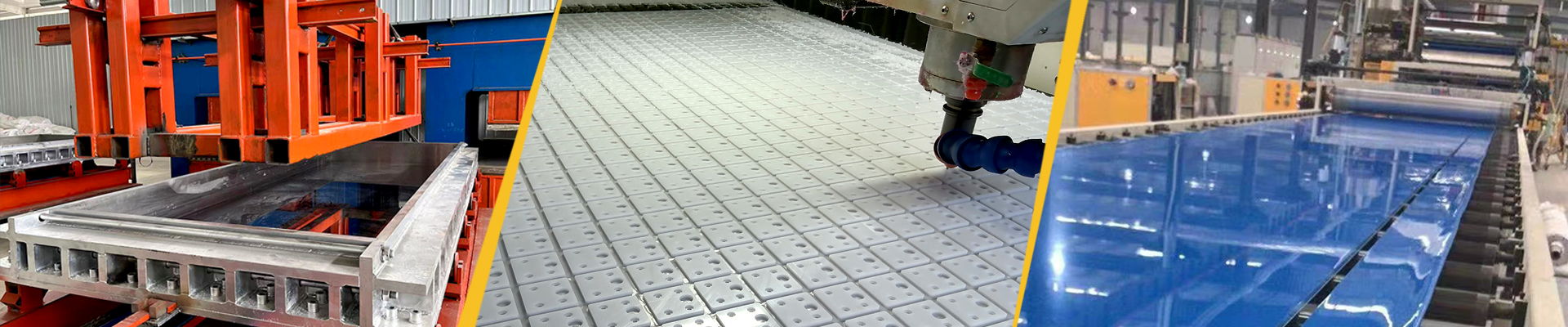
PP sheets are typically manufactured using a single-screw or twin-screw extruder. The extrusion process is where the polymer is melted, mixed, and shaped through a die to form a continuous sheet. Controlling this process is paramount to achieving uniform thickness, excellent surface finish, and consistent mechanical properties. The production team at Guangzhou uhmw-pe co.,ltd monitors key parameters in real-time, including:
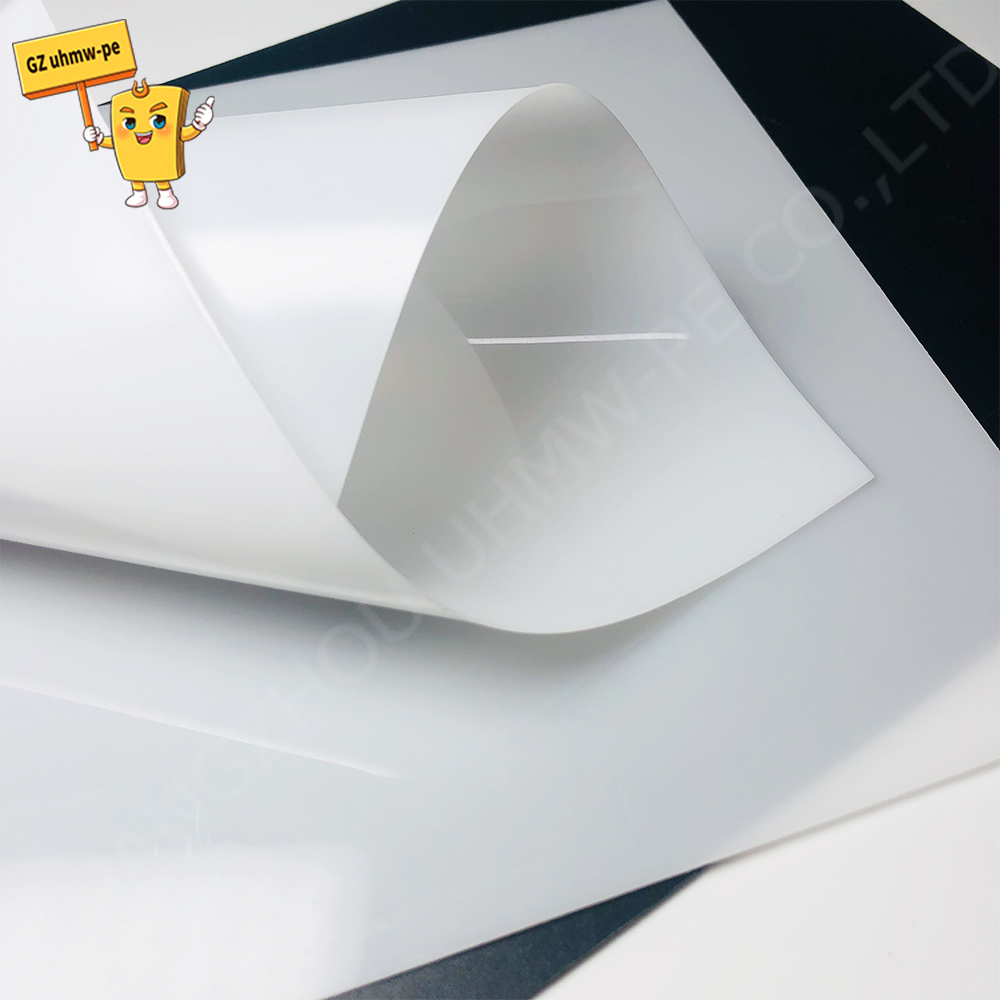
- Temperature Profile: The barrel temperatures are carefully controlled in zones, starting from the feeding zone to the die. For PP, processing temperatures usually range between 200°C and 260°C. Deviations can cause degradation or incomplete melting.
- Screw Speed and Back Pressure: These parameters influence the mixing quality and output rate. Inconsistent screw speed may lead to surging, resulting in thickness variations.
- Die Gap and Chill Roll Temperature: The die gap determines the initial sheet thickness, while the chill roll temperature affects the cooling rate and crystallinity. Proper cooling is essential to prevent internal stresses and warpage.
To maintain tight process control, the factory employs advanced PLC (Programmable Logic Controller) systems that automatically adjust parameters based on feedback from sensors. This closed-loop control system minimizes human error and ensures that every meter of PP sheet produced meets the target specifications.
4. Real-Time Monitoring: Combining Technology with Human Expertise
While automation plays a significant role, human expertise remains invaluable. At Guangzhou uhmw-pe co.,ltd, experienced operators continuously monitor the extrusion line via HMI (Human-Machine Interface) screens and visual inspections. They watch for any signs of die lines, gels, or bubbles in the molten sheet. In addition, in-line gauges, such as beta-ray or laser-based thickness gauges, are installed to measure sheet thickness across the entire width. These gauges provide immediate feedback, allowing operators to make minute adjustments to the die bolts to ensure uniform thickness from edge to edge. This combination of advanced technology and skilled personnel creates a robust quality assurance environment.
5. The Role of Calibration and Maintenance in Quality Control
Accurate measurement is the essence of quality control. Therefore, all monitoring instruments and gauges are calibrated at regular intervals, often traceable to national or international standards. The factory also adheres to a strict preventive maintenance schedule for all production equipment. Worn-out screws, barrels, or dies can introduce contaminants or cause non-uniform flow, leading to defects. By maintaining equipment in peak condition, Guangzhou uhmw-pe co.,ltd ensures that the extrusion process remains stable and repeatable, producing PP sheets with consistent properties batch after batch.
6. Quality Control During the Cooling and Winding Stage
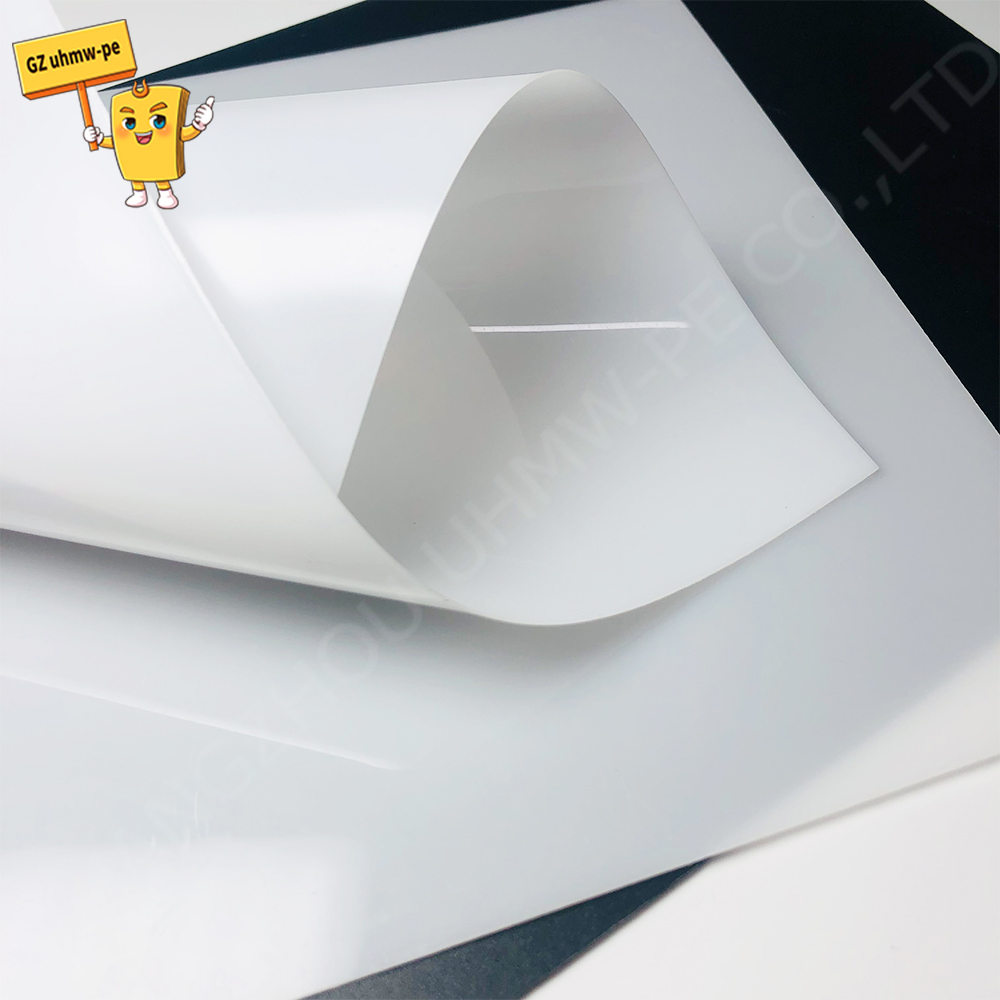
After the PP sheet exits the die, it passes through a series of cooling rolls and then into a pull roll unit. The tension in this stage must be carefully regulated to prevent stretching or deformation of the semi-molten sheet. The cooling rate also influences the final crystallinity of the PP, which directly affects its impact resistance and thermal properties. The factory uses water-cooled chill rolls with temperature control at ±2°C to ensure uniform cooling. Subsequently, the sheet is wound onto cores using a winder that maintains consistent tension to avoid telescoping or wrinkles. Quality checks at this stage include visual inspection for surface defects, edge trimming, and online electrical testing for dielectric strength if the sheet is intended for electrical applications.
7. Laboratory Testing: Offline Comprehensive Analysis
While online monitoring catches many issues, it is not sufficient for a complete quality assessment. Guangzhou uhmw-pe co.,ltd operates a dedicated laboratory equipped with a wide array of testing instruments. Samples are taken from each production run and subjected to a series of physical and mechanical tests, including:
- Tensile Strength and Elongation: Measured using a universal testing machine to ensure the PP sheet meets the required load-bearing capacity.
- Impact Resistance: Evaluated using an Izod or Charpy impact tester to confirm toughness, especially for sheets used in demanding applications.
- Heat Deflection Temperature (HDT): Determines the ability of the sheet to withstand high temperatures under load.
- Dimensional Stability: Shrinkage tests are performed post-molding or post-heating to verify that the sheet will not deform in use.
- Surface Properties: Surface roughness and gloss are measured using profilometers and gloss meters to ensure aesthetic and functional quality.
These tests are conducted in accordance with international standards such as ISO, ASTM, and DIN. The results are meticulously documented and used for statistical process control (SPC). By analyzing trends in test data, the quality team can identify potential issues in the process and take corrective actions before they escalate.
8. Modifications and Custom Formulations: Maintaining Quality for Specialty Products
Guangzhou uhmw-pe co.,ltd is not just a manufacturer of standard PP sheets. The company possesses outstanding material modification and formulation capabilities, allowing it to produce sheets, rods, and custom-shaped parts with special properties such as flame retardancy, antistatic properties, high wear resistance, and low-temperature resistance. The addition of additives—such as flame retardants, UV stabilizers, or glass fibers—requires precise dosing and thorough mixing to ensure uniform dispersion. The factory uses gravimetric feeders and high-shear mixers to achieve homogeneity. Quality control for such modified PP sheets includes additional tests like UL94 flammability rating, surface resistivity for antistatic grades, and abrasion tests. The company's ability to meet customized material requirements for industries like mining, ports, power generation, and food processing stems from this rigorous control over formulation.
9. Custom-Shaped Parts Processing: Precision Machining and Quality Verification
Beyond standard sheets, the factory often supplies custom-machined parts. Equipped with advanced CNC machining centers, precision saws, and engraving equipment, Guangzhou uhmw-pe co.,ltd can produce complex parts and assemblies exactly to customer specifications. Whether it is guide rails, star wheels, wear-resistant liners, or other non-standard components, the quality control extends to the machining process. Dimensional verification using coordinate measuring machines (CMM) ensures tight tolerances are met. For finished parts, visual inspection and functional tests are performed to ensure they fit and function as intended. The company's one-stop service—from material selection and mold design to finished product machining—is backed by a robust quality management system.
10. Large-Scale Production: Controlling Quality for Oversized Sheets
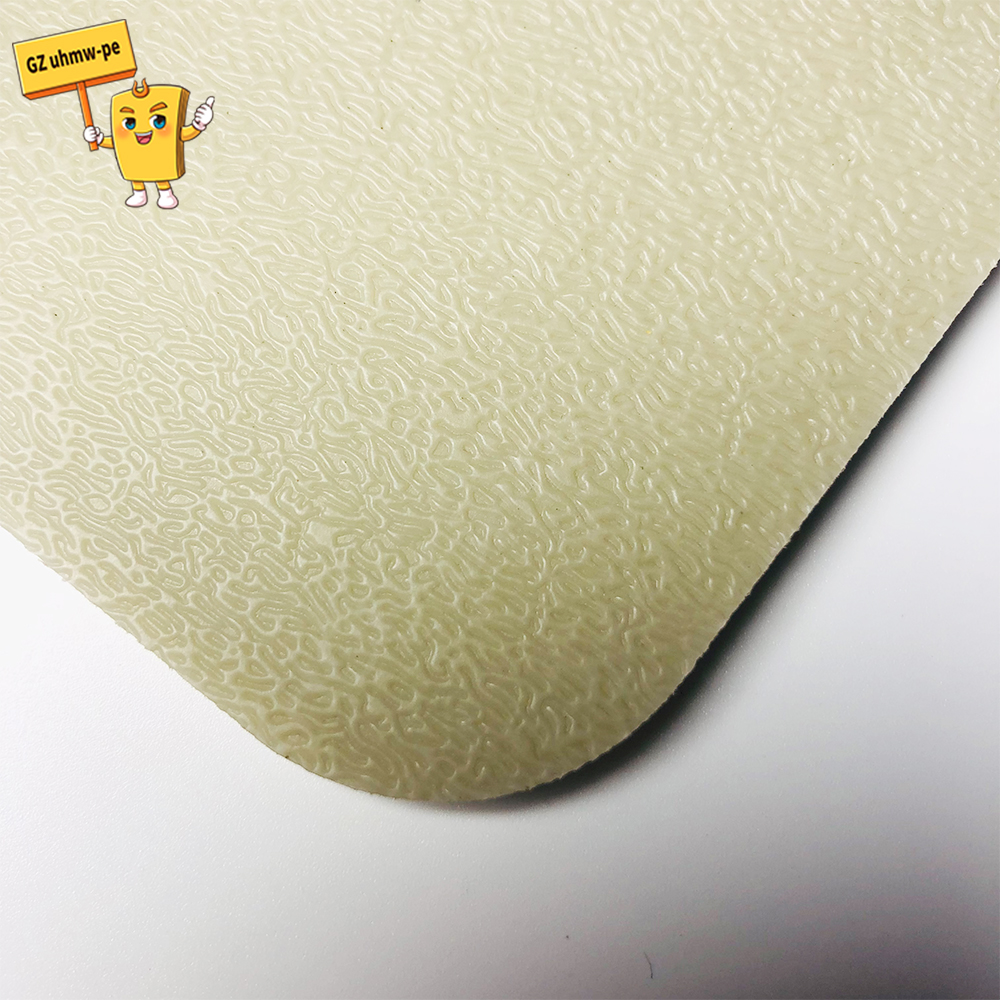
One of the distinct advantages of Guangzhou uhmw-pe co.,ltd is its ability to produce oversized PP sheets, with capabilities extending to UHMWPE sheets up to 6 meters in length and across a wide range of thicknesses. Manufacturing large-format sheets presents unique challenges in maintaining thickness uniformity and preventing internal stresses. The factory employs large-format sheet production lines with multiple high-tonnage presses and precise temperature control. For such products, quality control includes ultrasonic thickness measurement and flatness testing using optical or laser techniques. Additionally, the company can produce large-diameter pipes and rods, which require specialized extrusion or molding processes. The ability to scale up while maintaining quality is a testament to the factory's advanced infrastructure and skilled workforce.
11. Traceability and Documentation: The Backbone of Quality Assurance
An effective quality control system relies heavily on traceability. Every batch of PP sheets produced is assigned a unique lot number. This number links the product to its raw material batch, production date, machine parameters, and testing results. This traceability is crucial for handling customer complaints, conducting recalls if necessary, and performing root-cause analysis. The factory maintains detailed production logs and quality records, which also satisfy the requirements of ISO 9001 quality management system certification. Moreover, Guangzhou uhmw-pe co.,ltd can provide third-party test reports from recognized institutions like SGS, ROHS, FDA, and others, meeting international environmental and safety requirements. These documents give customers confidence in the product's compliance and performance.
12. Final Inspection: Ensuring Flawless Products Before Shipment
Before any PP sheet leaves the factory, it undergoes a final inspection. This includes a visual check for surface scratches, colors, and overall appearance. Thickness and dimension measurements are taken at multiple points to ensure compliance with customer specifications. The sheets are also checked for flatness and squareness. In the case of custom-machined parts, a final dimensional verification is performed using precision instruments. Only after passing these stringent checks are products approved for packaging and shipment. The company's commitment to quality is evident in its meticulous attention to detail at this final stage.
13. International Certifications and Compliance
For a factory that serves global clients, international certifications are not just a badge—they are a necessity. Guangzhou uhmw-pe co.,ltd aligns its quality management system with ISO standards, and also ensures compliance with environmental regulations like RoHS and REACH. For applications involving food contact, FDA-compliant grades are available. The factory's laboratories are well-equipped to conduct these compliance tests, and they may also coordinate with external labs for third-party verification. This commitment to certification ensures that PP sheets exported to Europe, the Americas, Southeast Asia, and other regions meet all regulatory requirements, thereby reducing the risk of import issues for their customers.
14. Continuous Improvement: The Quality Culture
Quality control is not a static process; it requires continuous improvement. The team at Guangzhou uhmw-pe co.,ltd regularly reviews production data, customer feedback, and audit results to identify areas for enhancement. Root-cause analysis is conducted for any non-conformities, and corrective actions are implemented. Moreover, employee training is an ongoing program, ensuring that every staff member is aware of the latest quality standards and techniques. This culture of continuous improvement enables the company to stay at the forefront of the PP sheet manufacturing industry.
15. Environmental and Safety Considerations in Quality Control
Modern quality control also encompasses environmental responsibility and workplace safety. The factory complies with environmental regulations by properly managing waste materials and recycling scrap PP sheets. Additionally, quality control extends to the safety of the production process itself. Regular safety audits and the use of personal protective equipment (PPE) by workers are part of the factory's protocols. By ensuring a safe and clean working environment, the factory not only protects its employees but also prevents contamination of products.
16. The Human Element: Qualified and Dedicated Staff
Behind every successful quality control system is a team of qualified professionals. Guangzhou uhmw-pe co.,ltd employs staff with deep expertise in material science and mechanical processing. The quality control team consists of experienced engineers and technicians who specialize in polymer testing, process optimization, and quality assurance. Regular training and certifications help them stay updated with the latest industry standards. This dedication to human capital development is a key factor in achieving consistent quality.
17. Customer Feedback: A Vital Quality Metric
The ultimate measure of quality is customer satisfaction. The factory actively seeks feedback from clients to gauge how their products perform in real-world applications. This feedback is documented and reviewed during management meetings. Any complaints are taken seriously, and corrective actions are implemented swiftly. By treating customer feedback as a vital quality metric, the company closes the loop between production and market expectations. This approach has helped them build long-lasting relationships with clients in infrastructure construction, winter sports, heavy equipment, mining, and many other industries worldwide.
18. The Cost of Quality: Balancing Investment and Control
Implementing a robust quality control system requires investment—in advanced equipment, training, and testing. However, the cost of poor quality—including scrap, rework, and damaged reputation—far outweighs these investments. Guangzhou uhmw-pe co.,ltd understands this trade-off and balances its quality control expenses with cost-effectiveness. Compared to similar engineering plastic brands in Europe and the United States, they offer competitive pricing while maintaining high quality. This is achieved through efficient production processes and a strong focus on preventative quality control rather than reactive fixes.
19. Adapting Quality Control to Different Grades of PP
PP plastic sheets come in various grades: homopolymer, copolymer, filled, or reinforced. Each grade requires tailored process settings and quality checks. For instance, PP copolymer offers higher impact resistance at low temperatures, making it suitable for cold storage applications. Filled PP, such as with talc or glass fiber, provides increased stiffness but may require different extrusion conditions. The quality control team at Guangzhou uhmw-pe co.,ltd is well-versed in adjusting parameters to suit each grade, ensuring that the unique properties of the material are fully realized.
20. Case Study: Ensuring Quality in Critical Applications
In critical applications such as ground protection mats or outrigger pads, quality is non-negotiable. These products must withstand extreme point loads and harsh environmental conditions. The factory conducts additional tests such as compression strength, impact resistance, and UV weathering to ensure these products meet the demanding requirements of construction and heavy equipment industries. Similarly, synthetic ice rink boards require excellent low-friction properties and dimensional stability. Each application dictates specific quality checkpoints, and the factory tailors its quality control plans accordingly.
21. Logistics and Packaging: Preserving Quality in Transit
Quality control does not end at the factory gate. Poor packaging and handling can damage products during transit. Guangzhou uhmw-pe co.,ltd uses robust packaging materials and techniques to protect PP sheets from scratches, moisture, and impacts. Wooden pallets, stretch film, and corner protectors are standard. For international shipments, the company has mature logistics and export documentation capabilities, ensuring that products arrive at their destination in pristine condition. They draw from extensive export experience to handle customs and shipping requirements efficiently.
22. Future Trends in PP Sheet Quality Control
The plastic manufacturing industry is evolving rapidly, with the adoption of Industry 4.0 technologies such as IoT sensors, big data analytics, and artificial intelligence. These technologies enable real-time process optimization and predictive maintenance. Guangzhou uhmw-pe co.,ltd is progressively integrating these smart manufacturing concepts into its quality control systems. For instance, data collected from sensors can be analyzed using machine learning algorithms to predict potential defects before they occur. This proactive approach is set to further elevate the standards of quality in PP sheet manufacturing.
23. Conclusion: A Holistic Approach to Quality Control
In summary, quality control in a PP plastic sheet factory is a complex, multi-faceted endeavor. It encompasses material selection, process control, in-line monitoring, laboratory testing, and customer feedback. For Guangzhou uhmw-pe co.,ltd, this holistic approach is guided by the philosophy of 'Quality First, Integrity Based, Innovation Driven'. Their state-of-the-art facilities, skilled workforce, and rigorous quality management system ensure that every PP sheet that leaves their factory meets or exceeds customer expectations. Whether it is a standard sheet or a custom-machined part, the company's commitment to quality remains unwavering. By continuously improving their processes and adopting new technologies, they aim to be a long-term global partner for integrated engineering plastic solutions.
24. Final Thoughts
Quality control is an investment in the future. For customers, it means reliable products that perform consistently, reducing downtime and total cost of ownership. For the manufacturer, it means a strong reputation, customer loyalty, and a competitive edge in the global market. As a specialized manufacturer, Guangzhou uhmw-pe co.,ltd exemplifies these principles. Their products, including PP sheets and a broad range of engineering plastics, are trusted across industries worldwide. By understanding the intricacies of quality control as practiced by such industry leaders, we can appreciate the silent dedication behind every durable, precision-crafted plastic component.