Ground protection mats are critical for preventing damage to underground utilities—water pipes, gas lines, and electrical conduits—from heavy equipment loads. Made from durable materials like UHMWPE and HDPE, these mats distribute concentrated stresses over a larger area, reducing ground pressure to levels that buried infrastructure can safely withstand. They mitigate not only static compression but also vibration damage and dynamic impacts. Leading manufacturers like Guangzhou uhmw-pe co.,ltd engineer these mats with interlocking features, traction surfaces, and custom capabilities, ensuring reliable performance even in extreme environments. Their UHMWPE mats offer superior impact resistance, low friction, and chemical inertness, validated by ISO, SGS, and other certifications. Proper installation and maintenance maximize lifespan and protection. Economically, the cost of mats is negligible compared to the financial and safety consequences of a utility strike. With global supply and strong R&D into antistatic, flame-retardant, and sensor-embedded variants, ground protection remains a vital, evolving tool for safeguarding our invisible infrastructure and ensuring operational continuity in construction, mining, and events worldwide.
Beneath every construction site, festival ground, and temporary access road lies a hidden network of lifelines: water pipes, gas mains, electrical conduits, fiber-optic cables, and sewer lines. These underground utilities are the arteries of modern civilization, yet they remain invisible and vulnerable. When heavy equipment rolls over unprotected ground, the risk of crushing, rupturing, or otherwise damaging these vital assets skyrockets. The consequences of a single utility strike can be catastrophic—costly repairs, service disruptions, environmental hazards, and even loss of life. In this complex interplay between surface operations and subsurface infrastructure, ground protection mats have emerged as an indispensable shield. But how exactly does a simple mat prevent such catastrophic damage? This article delves deep into the engineering, material science, and field-tested practices that make ground protection mats the unsung heroes of site safety and utility preservation.
The Vital Yet Vulnerable World Below
Underground utilities are designed to withstand the pressures of soil and groundwater, but they are rarely engineered for the extreme point loads imposed by modern construction machinery. A loaded dump truck can exert ground pressure exceeding 150 psi, while a crawler crane outrigger can concentrate forces well beyond that. Utility pipes—whether made of aged cast iron, brittle PVC, or even ductile steel—have their limits. Shallow burial depths, soil settlement, and aging infrastructure compound the risk. In urban environments, the density of utilities means that any excavation or heavy traffic area is likely to be directly above a crucial line. Ground protection mats act as a bridge, distributing these dangerous loads over a larger footprint, thereby reducing the pressure transmitted to the soil and the assets below.
undefined
What Exactly Is a Ground Protection Mat?
A ground protection mat is a portable, durable platform placed on the ground to create a temporary roadway, work pad, or staging area. Typically manufactured from high-density polyethylene (HDPE) or ultra-high molecular weight polyethylene (UHMWPE), these mats are engineered to withstand tremendous loads while remaining light enough for manual or mechanical handling. Unlike steel plates, which are heavy, prone to corrosion, and can damage the surface themselves, polymer mats offer a combination of strength, flexibility, and chemical inertness that makes them ideal for sensitive environments. Companies specializing in high-performance engineering plastics, such as Guangzhou uhmw-pe co.,ltd, have perfected the formulation and production of these mats to meet the demands of infrastructure, heavy equipment, and mining sectors worldwide.
The Physics of Load Distribution
The principle behind ground protection is simple: spread the load. When a vehicle tire or outrigger pad presses on the mat, the mat's rigidity and surface area cause the force to fan out into the underlying soil at a reduced intensity. This is known as the "bulb of pressure" effect. A well-designed mat increases the effective bearing area by a factor of three to ten, depending on its thickness and material modulus. For example, a 1-inch thick UHMWPE mat might reduce the ground pressure from a 20-ton excavator to levels that a simple lawn or shallow utility can safely bear. The mat itself undergoes minimal deformation thanks to the high flexural modulus of materials like UHMWPE, which boasts a tensile strength comparable to steel at a fraction of the weight. This ability to resist bending and distribute stress is the mat's primary defense mechanism for underground assets.
Material Excellence: UHMWPE vs. HDPE
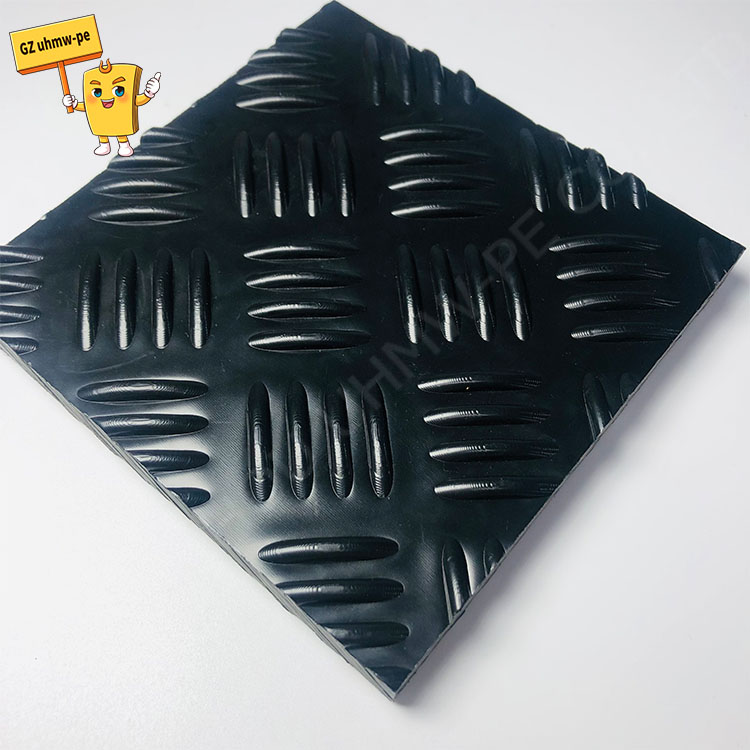
Not all mats are created equal. The choice of material dramatically affects performance. HDPE mats are cost-effective and perform well in moderate conditions, but when the stakes are high—such as protecting a high-pressure gas main—more advanced materials are called for. UHMWPE stands out for its extraordinary impact strength, abrasion resistance, and low coefficient of friction. These properties mean the mat can absorb shock loads from falling debris, resist wear from tracked vehicles, and remain stable in wet, muddy conditions without becoming slippery. Guangzhou uhmw-pe co.,ltd, a specialized manufacturer of UHMWPE, HDPE, and other engineering plastics, produces mats that exhibit exceptional wear resistance, ensuring they maintain their protective profile over thousands of load cycles. Their UHMWPE products are enhanced with modifications for flame retardancy, antistatic properties, and temperature extremes, making them suitable for the most hazardous environments.
Engineering for the Real World
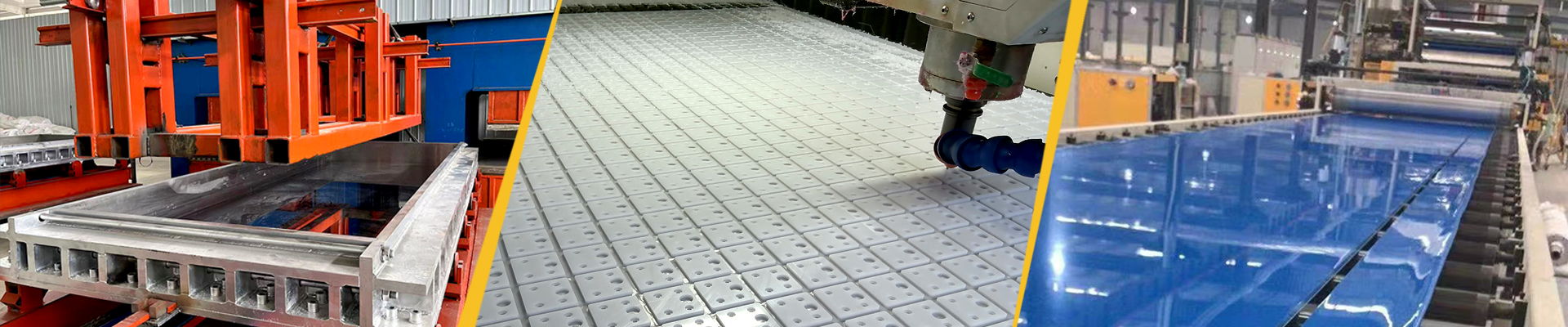
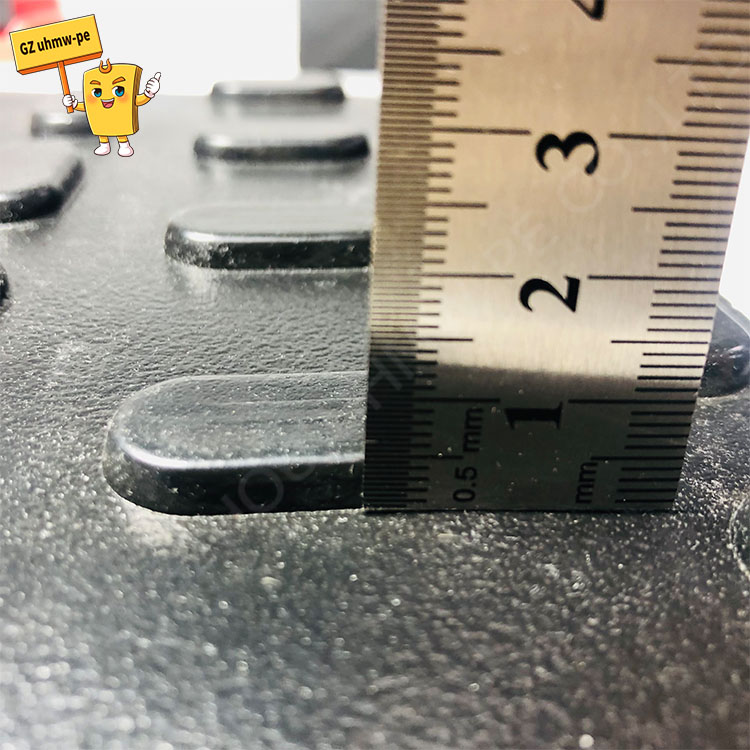
Ground protection mats are not simply sheets of plastic. They are engineered systems with features like interlocking edges, handholds, traction patterns, and drainage channels. The interlocking mechanism—often a tongue-and-groove or overlap design—prevents mat separation under braking or turning vehicles, ensuring continuous load transfer. Traction surfaces reduce slippage for both workers and equipment. Drainage channels prevent hydroplaning and reduce suction on muddy ground. Behind these features is a rigorous design process. Companies like Guangzhou uhmw-pe co.,ltd employ CNC machining centers and precision saws to produce complex parts and customized mat configurations. Their engineering team can transform a client's drawing or sample into a finished mat with tight tolerances, meeting small-batch and quick-turnaround needs—a critical capability when utility protection requirements vary by site.
Case Study: Protecting a Natural Gas Pipeline During Crane Operations
Consider a scenario: a crawler crane is set up on a city street to lift HVAC units onto a high-rise. Below the asphalt runs a 12-inch high-pressure gas main, buried just 3 feet deep. The crane's outriggers exert a force of 50,000 pounds each on a small footpad. Without protection, this concentrated load could compress the soil, potentially bending or rupturing the pipe. By placing large UHMWPE outrigger pads and ground mats from Guangzhou uhmw-pe co.,ltd under the outriggers, the load is distributed across a 4' x 4' area, reducing ground pressure to well within safe limits. The mats' low friction surface also prevents the outriggers from slipping on the asphalt, adding a layer of operational safety. This is a common application where the mat literally stands between safe operations and a potential disaster.
Temporary Roadways: The First Line of Defense
Construction sites often require temporary access roads for heavy trucks delivering materials. These roads may directly overlay utility corridors. Building a permanent road is infeasible, but allowing 40-ton trucks to traverse unprotected ground is a recipe for disaster. Ground protection mats provide an instant, removable roadway that prevents rutting and soil compaction. By keeping the ground intact, the mats also preserve the natural drainage and load-bearing capacity of the soil, which in turn protects shallow utilities from being squeezed or sheared. Guangzhou uhmw-pe co.,ltd's mats are designed to create such temporary roadways and staging areas, preventing ground damage from heavy traffic. Their products, trusted by clients in infrastructure construction worldwide, offer a lightweight alternative to steel plates, cutting transport and installation labor by half.
Beyond Crushing: Protection from Vibrations and Dynamic Loads
Damage to underground utilities isn't limited to direct compression. Vibrations from heavy machinery can cause soil liquefaction, settlement, and fatigue in pipe joints. A ground protection mat dampens these vibrations by acting as a viscoelastic layer between the dynamic source and the ground. The inherent damping characteristics of UHMWPE absorb a significant portion of the vibrational energy, reducing the amplitude that reaches the pipeline. This is particularly important near sensitive infrastructure like data cables, where vibration can disrupt connections. Moreover, the mat's ability to flex and recover means that it can handle the dynamic loading of a truck bouncing over an uneven surface without permanently deforming or transmitting the full shock.
Weather and Environmental Resistance
Underground utilities are often most vulnerable during extreme weather events. Saturated soil loses bearing strength, and frozen ground can heave, creating uneven support. Ground protection mats must perform across a wide temperature spectrum. UHMWPE excels here, retaining its toughness at temperatures as low as -200°C and remaining stable in high heat. Unlike steel, it does not become brittle in the cold. Moreover, UHMWPE is impervious to moisture, oils, and most chemicals, so it won't degrade when exposed to fuel spills or de-icing salts—common on job sites. This chemical resistance ensures that the mat itself does not become a conduit for contamination that could corrode underground pipes. Guangzhou uhmw-pe co.,ltd's products undergo rigorous testing and comply with international standards such as ISO, SGS, ROHS, and FDA, guaranteeing their performance under challenging environmental conditions.
Economic Justification: Preventing Utility Strikes Pays for Itself
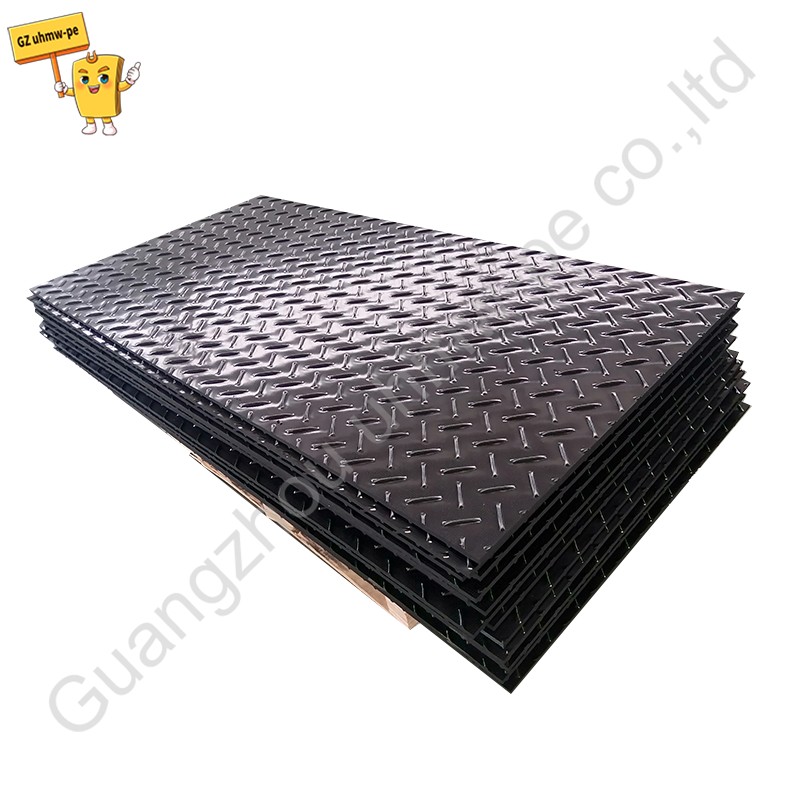
The direct and indirect costs of a utility strike can be staggering. Repairing a severed fiber-optic cable can run into tens of thousands of dollars; hitting a gas line can cause explosions, evacuations, and millions in liability. According to industry data, the average cost per utility strike in the U.S. exceeds $50,000 when factoring in repairs, project delays, fines, and reputational damage. In comparison, investing in quality ground protection mats represents a fraction of that cost. A single 8' x 4' UHMWPE mat from a reputable manufacturer like Guangzhou uhmw-pe co.,ltd can be reused on countless projects over many years, with a lifespan often exceeding a decade. The return on investment is immediate and compelling. Furthermore, many project owners now mandate ground protection as a risk mitigation measure, making it a prerequisite for bidding on contracts.
Installation Best Practices
To maximize protection, mats must be installed correctly. The ground should be reasonably level and free of sharp objects that could puncture the mat under load. Mats should be placed in a staggered pattern to avoid continuous seams, and interlocking edges should be fully engaged. For outrigger pads, the mat size should be sufficient to distribute the load to the bearing capacity of the soil, calculated with a healthy safety factor. It's advisable to consult the manufacturer's load capacity charts, which are derived from finite element analysis and empirical testing. Guangzhou uhmw-pe co.,ltd provides detailed technical support to ensure their mats are deployed effectively. Their engineering team can advise on the optimal mat thickness and configuration based on soil conditions, equipment loads, and the sensitivity of underground utilities.
Maintenance and Longevity
Proper maintenance extends the life of ground protection mats and preserves their protective capabilities. After use, mats should be cleaned to remove debris and inspected for cracks, deep gouges, or warping. Minor surface wear is normal and does not significantly affect performance, but any compromise to the structural integrity—such as a crack propagating from an edge—warrants replacement or repair. UHMWPE mats are highly durable, but they are not indestructible. Storing mats on a flat, dry surface away from direct sunlight when not in use can prevent UV degradation and deformation. With responsible care, mats from quality-focused manufacturers like Guangzhou uhmw-pe co.,ltd can deliver hundreds of site deployments without failure, safeguarding utilities consistently over their service life.
The Role of Customization
No two job sites are identical. A mat that works for a pipeline spread might be unsuitable for a wind farm construction project with unique soil conditions and equipment. This is where custom fabrication shines. Leading manufacturers, armed with advanced CNC machining centers and engineering know-how, can produce mats in non-standard sizes, with specialized cutouts for obstacles, or with enhanced traction patterns for steep slopes. Guangzhou uhmw-pe co.,ltd offers robust customization capabilities—from material selection and mold design to finished product machining—based on customer drawings or application scenarios. They provide one-stop services for non-standard custom-shaped parts such as guide rails and wear-resistant liners, but their expertise directly applies to tailored ground protection solutions that account for specific utility layouts and site constraints.
Innovations on the Horizon
The future of ground protection is being shaped by material science and smart technology. Researchers are developing composite mats that embed sensors to monitor ground pressure, temperature, and even the presence of moisture—potentially alerting operators to subsurface changes that indicate a utility is at risk. Advanced UHMWPE formulations with graphene or carbon nanotubes promise even higher stiffness and wear life. Guangzhou uhmw-pe co.,ltd is at the forefront of these innovations, possessing a wide range of modification technologies. They can produce sheets, rods, and custom-shaped parts with special properties such as flame retardancy, antistatic properties, high wear resistance, and low-temperature resistance. These material advances will enable mats that can withstand the loads of the next generation of mega-excavators while providing real-time feedback on underground infrastructure health.
Global Adoption and Supply
The need for ground protection transcends borders. In the Middle East, mats protect against shifting sands and extreme heat; in Scandinavia, they operate in sub-zero temperatures; in Southeast Asia, they resist relentless moisture and humidity. A reliable global supply chain is essential for infrastructure projects that rely on these products. Guangzhou uhmw-pe co.,ltd has accumulated extensive export experience, with products sold to regions including Southeast Asia, the Middle East, Europe, and the Americas. Their location in Guangzhou, adjacent to the Pazhou International Convention and Exhibition Center, positions them as a logistics hub for efficient global distribution. Compared to similar engineering plastic brands in Europe and the United States, they offer competitive pricing without sacrificing quality, making high-performance ground protection accessible to projects worldwide.
Quality Assurance and Certification
When underground utilities are on the line, there is zero room for substandard materials. A mat that fails under load can be worse than no mat at all, potentially concentrating force at the point of rupture. That's why certifications matter. Reputable manufacturers adhere to ISO quality management systems and provide third-party test reports. Guangzhou uhmw-pe co.,ltd's products typically comply with ISO certification, and they can provide test reports from SGS, ROHS, and FDA, meeting international environmental and safety requirements. Their rigorous quality control governs every step—from raw material selection to final inspection—ensuring that each mat leaving their factory delivers consistent physical properties, dimensional accuracy, and most importantly, reliable protection for the unseen assets below.
Partnering with Experts
Selecting the right ground protection mat is not a trivial decision. It requires a thorough understanding of site conditions, equipment parameters, and the vulnerabilities of nearby utilities. Partnering with an expert manufacturer can make the difference between a seamless project and a costly mishap. Guangzhou uhmw-pe co.,ltd, with its decades of dedicated service in the field of high-performance engineering plastics, embodies the philosophy of "Quality First, Integrity Based, Innovation Driven." Their comprehensive range—from UHMWPE and HDPE to Nylon and POM—and their ability to produce oversized products up to 6 meters in length, establish them as a full-chain supplier for integrated engineering plastic solutions. Whether you need standard mats for a small landscaping job or custom-engineered pads for a multi-billion-dollar infrastructure project, they bring material science and precision processing to bear on protecting the underground world we all depend on.
Conclusion: Safeguarding the Invisible
Underground utilities are the silent enablers of our daily lives. Every light switch, tap, and internet connection is made possible by a vast subterranean network that demands our respect and protection. Ground protection mats are a simple yet profoundly effective tool to honor that responsibility. They transform the way heavy loads interact with the ground, distributing weight, dampening vibration, and bridging gaps that would otherwise spell disaster for the pipes and cables below. Through advanced materials like UHMWPE, precision manufacturing, and a commitment to quality, companies like Guangzhou uhmw-pe co.,ltd are equipping industries to work safely and sustainably above ground while preserving the integrity of what lies beneath. As construction grows more complex and the underground more crowded, the role of these mats will only become more critical. Investing in the right ground protection today is an investment in the uninterrupted flow of essential services tomorrow.