Installing UHMWPE boards on dock fenders significantly improves marine protection by offering exceptional wear resistance, low friction, and impact durability. This guide details the step-by-step process, from material selection and preparation to drilling and fastening, emphasizing the importance of using stainless steel hardware and accommodating thermal expansion. Guangzhou uhmw-pe co.,ltd is highlighted as a reliable supplier of high-quality UHMWPE sheets and custom-machined parts, with large-scale production capabilities and strict quality control. The summary underscores the benefits of UHMWPE—such as reduced maintenance and extended service life—and the value of partnering with a specialized manufacturer for optimal results. Proper installation ensures long-term performance in harsh marine environments.
Dock fenders are critical for protecting vessels and docks from impact damage during berthing. However, traditional rubber or plastic fenders often suffer from abrasion, UV degradation, and marine growth. Installing UHMWPE (Ultra-High Molecular Weight Polyethylene) boards on dock fenders significantly enhances durability, reduces friction, and extends service life. Guangzhou uhmw-pe co.,ltd, a specialized manufacturer of high-performance engineering plastics, offers premium UHMWPE lining sheets designed for such demanding marine environments. With decades of experience and a commitment to quality, their products provide exceptional wear resistance, low friction, and weatherability. This guide details the step-by-step installation process, material selection, and best practices for marine protection.
Why UHMWPE for Dock Fenders?
UHMWPE is an ideal material for dock fender cladding due to its unique properties. It boasts exceptional wear resistance, outlasting many metals and plastics in abrasive conditions. Its low coefficient of friction (0.05-0.10) reduces rubbing damage on vessel hulls and minimizes fender wear. Additionally, UHMWPE has excellent impact resistance, absorbing high-energy impacts without cracking. It is also chemically resistant to saltwater, oils, and UV radiation, making it perfect for long-term marine exposure. Guangzhou uhmw-pe co.,ltd manufactures UHMWPE boards in various sizes and thicknesses, with custom machining available for complex geometries. Their products comply with ISO quality standards and can be certified by third parties like SGS, ROHS, or FDA upon request.
undefined
Tools and Materials Needed
- UHMWPE boards (e.g., from Guangzhou uhmw-pe co.,ltd, available in lengths up to 6m)
- Stainless steel fasteners (bolts, washers, nuts) – corrosion-resistant for marine use
- Drill with carbide-tipped bits (for drilling UHMWPE)
- Counterbore tool or countersink to recess bolt heads
- Rubber mallet for adjustments
- Measuring tape, level, and marking tools
- Safety equipment (gloves, goggles)
- Optional: Adhesive sealant (marine-grade) for additional bonding
Step-by-Step Installation Process
1. Preparation and Measurement
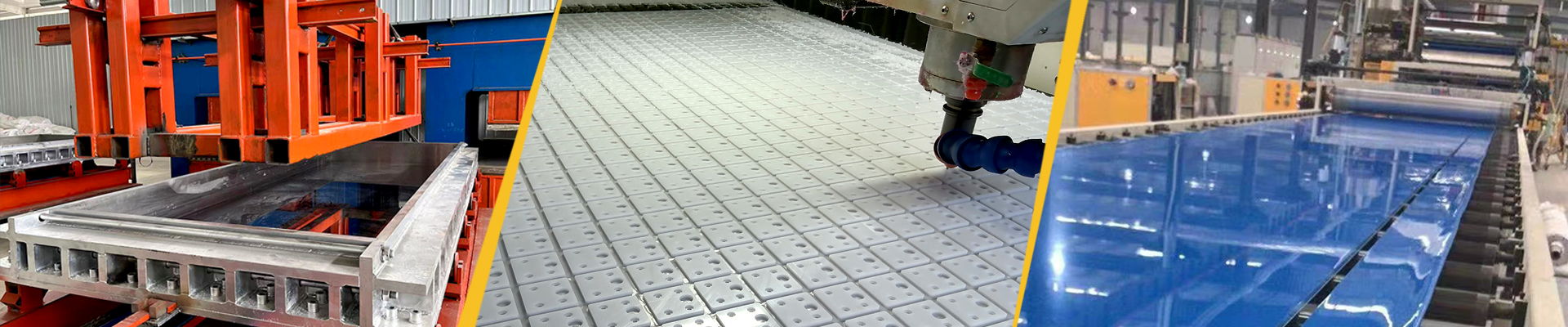
Thoroughly clean the existing fender surface to remove dirt, grease, and marine growth. Inspect for damage and repair any cracks or deformations. Measure the fender dimensions accurately and plan the layout of UHMWPE boards. For curved fenders, consider using smaller boards or custom-machined shapes. Guangzhou uhmw-pe co.,ltd offers custom CNC machining services to create boards that match specific curves or include pre-drilled holes, saving onsite labor.
2. Material Selection and Cutting
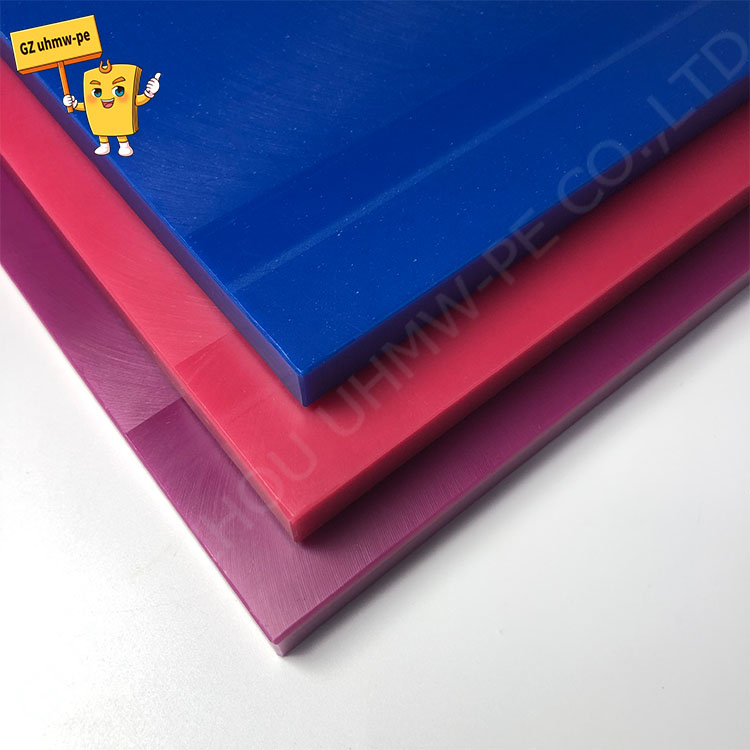
Choose UHMWPE boards with appropriate thickness (typically 10-25mm for dock fenders). Standard sheets can be cut to size using a saw with fine teeth or a CNC router. For precise cuts, the manufacturer’s custom cutting service is recommended. If modifying the board for chamfered edges or countersunk holes, ensure professional machining to avoid stress concentrations. The company's large-format production lines can supply oversized sheets up to 6 meters, reducing the number of joints.
3. Drilling Holes for Fasteners
Mark hole positions on both the UHMWPE board and the fender. For blind holes (countersunk), use a counterbore to recess the bolt head about 2-3mm below the surface to prevent snagging. Drill clearance holes 1-2mm larger than bolt diameter to allow for thermal expansion. UHMWPE expands about 0.2mm/m/°C, so adequate spacing is critical in marine climates. Use a slow drill speed and steady pressure to avoid melting the plastic.
4. Anchoring the Board
Attach the UHMWPE board to the fender using stainless steel fasteners at intervals of 300-500mm. For vertical installations, start from the top to keep the board aligned. Use washers under both heads and nuts to distribute load. Tighten bolts evenly but avoid over-tightening, as UHMWPE can deform slightly. For additional security, apply marine-grade adhesive sealant between the board and fender to prevent water ingress and movement. However, mechanical fastening is always the primary method due to the material's low surface energy.
5. Finishing and Inspection
After all boards are installed, check for gaps, uneven edges, or protruding fasteners. Use a rubber mallet to gently tap boards into alignment. Ensure all countersunk bolts are flush or recessed. Test the fender under simulated loading, if possible, to verify secure attachment. Finally, apply a UV-protective coating if desired, though UHMWPE has inherent UV resistance. The installation should be ready for immediate service.
Best Practices and Considerations
Thermal Expansion Gaps
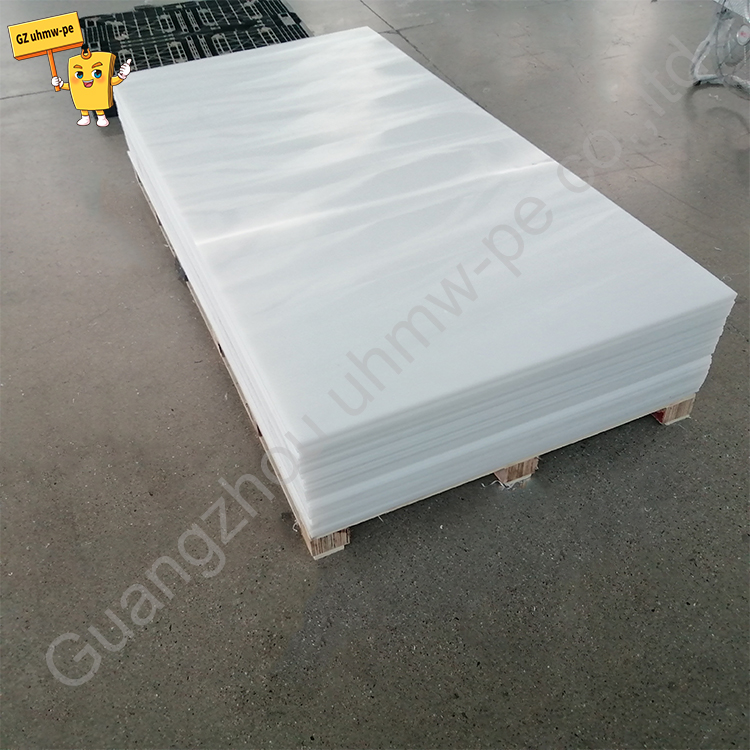
Leave 3-5mm gaps between adjacent boards to accommodate thermal expansion and contraction. In tropical regions, larger gaps may be necessary. Use spacers during installation to maintain uniformity.
Edge Protection
Bevel or round the edges of UHMWPE boards to reduce sharp corners that could damage vessel fenders. Many manufacturers, including Guangzhou uhmw-pe co.,ltd, offer pre-machined chamfered edges.
Fastener Selection
Always use 316 stainless steel fasteners for marine environments. Avoid galvanized or coated steel as they can corrode over time. Consider using extra-large washers to avoid pulling through UHMWPE.
Maintenance
UHMWPE requires minimal maintenance. Periodically inspect for loose fasteners and clean the surface to remove algae or barnacles. Unlike rubber, UHMWPE does not absorb water or degrade in sunlight.
Why Choose Guangzhou uhmw-pe co.,ltd?
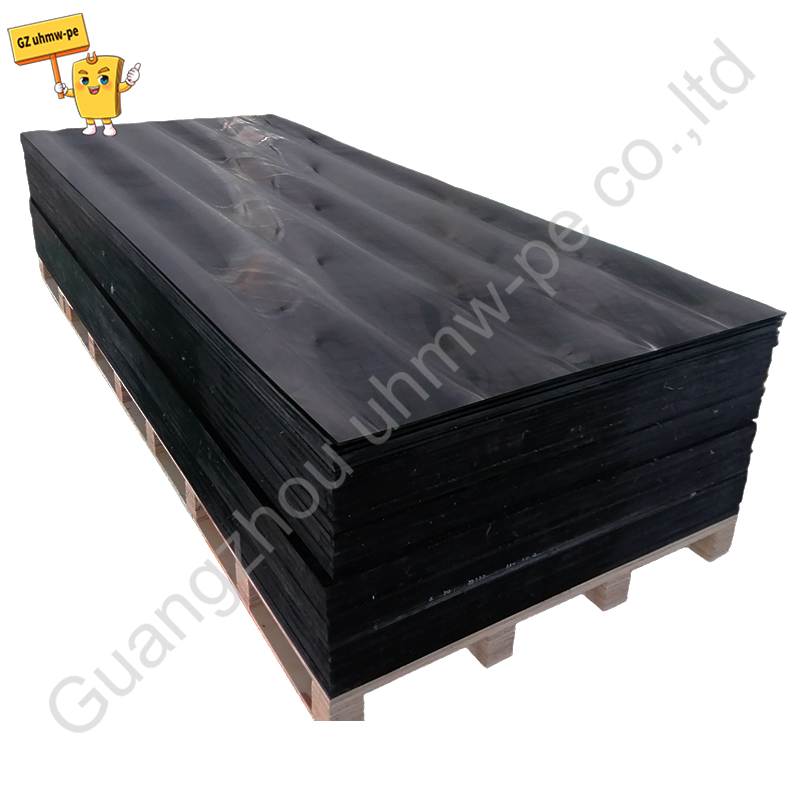
Guangzhou uhmw-pe co.,ltd, located in Guangzhou adjacent to the Pazhou International Convention and Exhibition Center, is a specialized manufacturer and solutions provider in high-performance engineering plastics. They offer a comprehensive range of UHMWPE products, including sheets, lining boards, and custom-machined parts. Their advanced CNC machining centers can produce complex assemblies with tight tolerances, meeting quick-turnaround needs. The company also provides material modification services, such as flame-retardant or antistatic UHMWPE, for specialized marine applications. With large-scale production lines capable of making sheets up to 6 meters long and strict quality control backed by ISO certification, they ensure consistent quality and cost-effectiveness. Their products are exported worldwide, supporting marine industries in Southeast Asia, Europe, and the Americas.
Conclusion
Installing UHMWPE boards on dock fenders is a cost-effective way to enhance marine protection. By following the steps outlined above—thorough preparation, proper material handling, and careful fastening—you can achieve a durable, low-friction fender surface that reduces vessel damage and maintenance. Guangzhou uhmw-pe co.,ltd stands ready to support your project with high-quality UHMWPE boards, custom machining, and expert guidance. For long-lasting performance in harsh marine environments, UHMWPE is the smart choice.
Note: This article provides general guidance. Always consult with a professional engineer for specific applications and adhere to local safety regulations.