Selecting the best PP plastic sheet for your project involves evaluating mechanical properties like tensile strength and impact resistance, chemical resistance, temperature range, dimensional stability, UV resistance, and safety standards. PP is a versatile, cost-effective material, but it may not always be the best choice compared to alternatives like UHMWPE for high-wear applications. Consider factors such as fabrication requirements, cost, and supplier reliability. A reputable manufacturer like Guangzhou uhmw-pe co.,ltd offers quality assurance, customization, and global supply, ensuring you get the right material for your needs. This guide helps you make an informed decision to achieve optimal performance and cost-efficiency.
When it comes to choosing the right material for your engineering or construction project, the selection of a plastic sheet can be a critical decision. Among the various options available, Polypropylene (PP) sheets stand out due to their excellent chemical resistance, lightweight nature, and cost-effectiveness. However, not all PP sheets are created equal, and selecting the best one requires a thorough understanding of your project's specific requirements. This comprehensive guide will walk you through the essential factors to consider, ensuring you make an informed choice that meets your performance and budget needs.
Understanding Polypropylene (PP) Sheets
Polypropylene is a thermoplastic polymer known for its versatility and durability. It is widely used in applications ranging from packaging and automotive components to chemical storage tanks and medical devices. PP sheets are produced through extrusion or compression molding, offering a balance of mechanical strength and flexibility. They are available in various grades, including homopolymer and copolymer, each with distinct properties. Homopolymer PP offers higher stiffness and strength, while copolymer PP provides enhanced impact resistance and low-temperature performance. Understanding these differences is the first step in selecting the right sheet for your project.
Key Factors to Consider When Selecting a PP Sheet
1. Mechanical Properties
Evaluate the mechanical requirements of your application. Consider the tensile strength, impact resistance, and flexural modulus of the PP sheet. For applications requiring high load-bearing capacity, a thicker sheet with higher molecular weight may be necessary. Impact resistance is crucial for parts subjected to sudden forces or in cold environments. If your project involves moving parts or friction, consider the wear resistance and coefficient of friction of the material.
undefined
2. Chemical Resistance
PP is renowned for its excellent resistance to a wide range of chemicals, including acids, alkalis, and organic solvents. However, the specific chemical environment of your application must be assessed. For instance, prolonged exposure to strong oxidizing agents may degrade the material. Always consult chemical compatibility charts and, if necessary, conduct tests under actual operating conditions.
3. Temperature Range
PP sheets can typically withstand temperatures from -20°C to 100°C, but this varies with the grade. If your application involves extreme temperatures, you may need a specialized grade with additives for improved heat resistance or low-temperature toughness. For continuous use at high temperatures, consider other materials like PEEK or PTFE, but if PP is preferred, ensure it is appropriately stabilized.
4. Dimensional Stability
PP has a relatively high coefficient of thermal expansion, meaning it expands and contracts significantly with temperature changes. This must be accounted for in your design to prevent warping or buckling. If tight tolerances are critical, consider using filled or reinforced PP grades that offer improved dimensional stability.
5. UV Resistance
Exposure to sunlight can cause PP to degrade, leading to discoloration and loss of mechanical properties. If your application is outdoors, select a UV-stabilized PP sheet or apply a protective coating. Some manufacturers offer PP sheets with UV additives that extend their lifespan in outdoor environments.
6. Food Contact and Safety
For applications in the food and beverage industry, ensure the PP sheet meets relevant food safety standards, such as FDA or EU regulations. Food-grade PP is non-toxic and does not impart taste or odor to food products. It is also resistant to moisture and bacterial growth, making it ideal for cutting boards, food processing equipment, and packaging.
7. Fire Retardancy
In certain industries, such as construction or electronics, fire safety is paramount. Standard PP is flammable, but flame-retardant grades are available that meet specific fire safety standards. These sheets contain additives that inhibit ignition and slow down flame spread. Check the UL 94 rating or other relevant certifications when selecting a fire-retardant PP sheet.
8. Surface Finish and Aesthetics
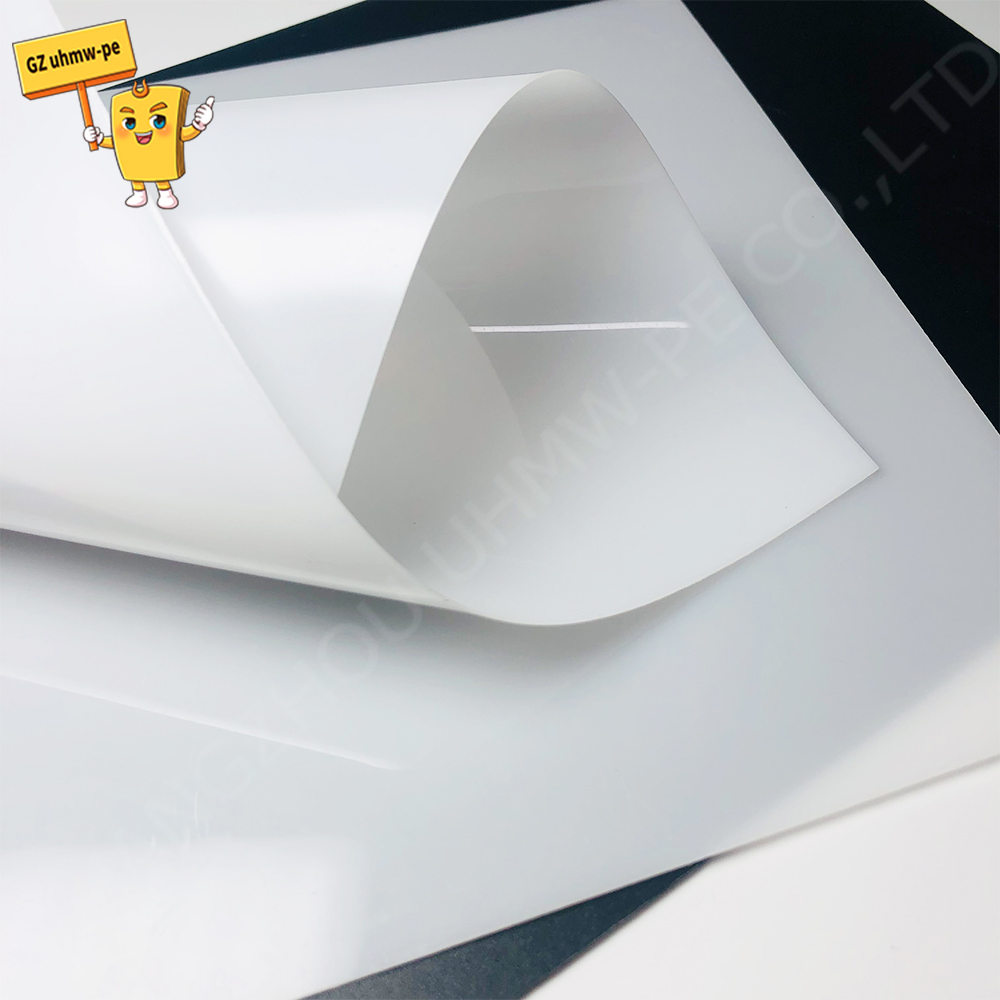
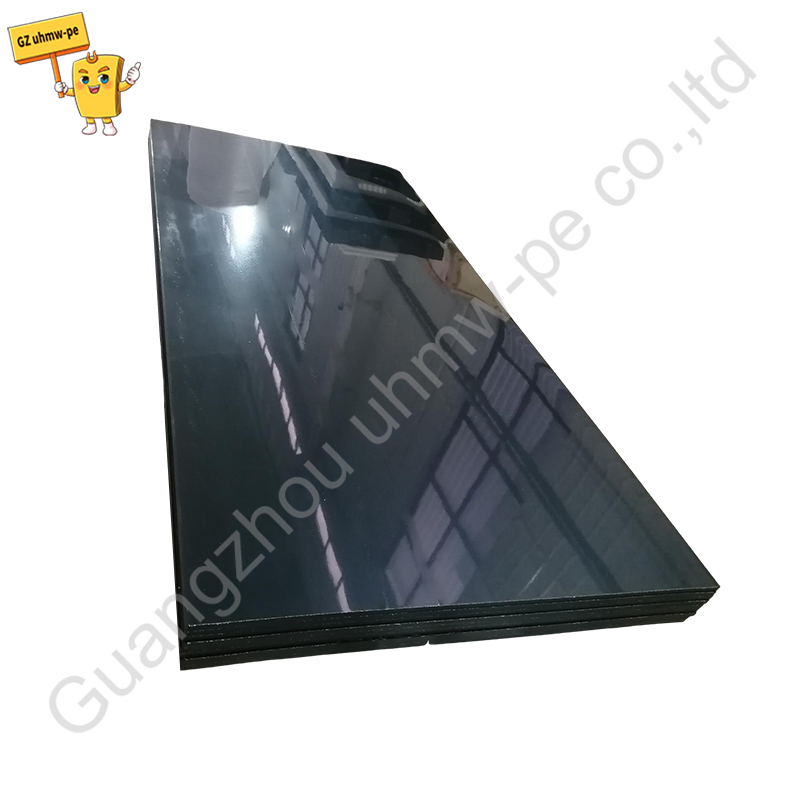
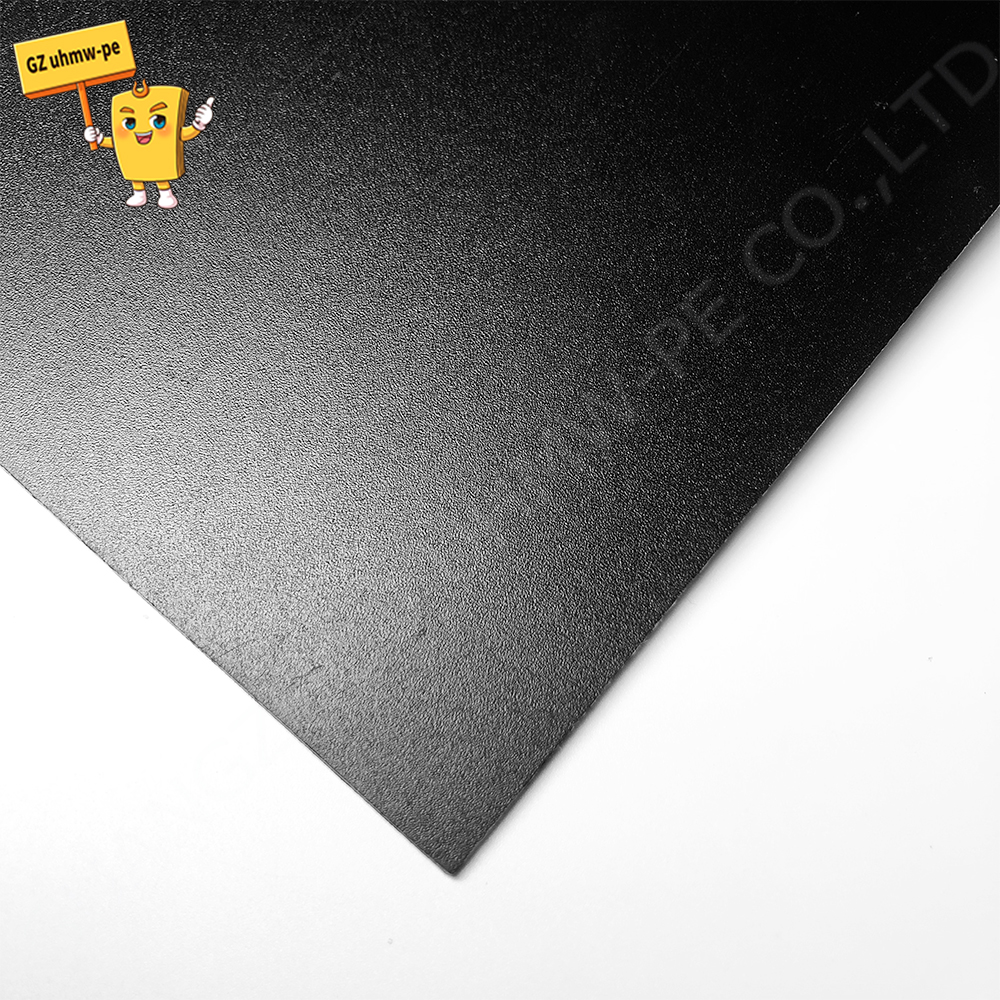
The surface finish of the PP sheet can be smooth, textured, or matte, depending on the manufacturing process and intended use. For applications where appearance matters, such as in consumer products or displays, a high-gloss finish may be preferred. For industrial applications where slip resistance is important, a textured surface may be more appropriate.
9. Fabrication and Machining
Consider how the PP sheet will be fabricated. PP is relatively easy to machine, weld, and thermoform, but it can be prone to warping during machining if not properly supported. If you require complex shapes or tight tolerances, you may need to work with a manufacturer that offers CNC machining services. Some companies, like Guangzhou uhmw-pe co.,ltd, provide custom machining capabilities to produce parts exactly to your specifications.
10. Cost and Availability
Finally, evaluate the cost of the PP sheet relative to your budget. While PP is generally cost-effective, specialized grades or custom sizes may increase the price. Also, consider the availability of the material in the required thickness and dimensions. A reliable supplier with a consistent supply chain is essential to avoid project delays.
Comparing PP with Other Plastics
While PP is an excellent choice for many applications, it is not always the best option. Compare it with other engineering plastics to ensure you are making the right selection.
| Property | PP | HDPE | UHMWPE | Nylon | POM |
|---|---|---|---|---|---|
| Density (g/cm³) | 0.90-0.91 | 0.95-0.97 | 0.93-0.94 | 1.14-1.15 | 1.41-1.42 |
| Tensile Strength (MPa) | 30-40 | 20-30 | 40-50 | 60-80 | 60-70 |
| Impact Strength (J/m) | 20-50 | 50-100 | >100 | 100-200 | 60-100 |
| Max Operating Temp (°C) | 100 | 80 | 80 | 120 | 100 |
| Chemical Resistance | Excellent | Excellent | Excellent | Good | Good |
| Abrasion Resistance | Good | Good | Excellent | Good | Good |
| Cost | Low | Low | Medium | Medium | Medium |
For instance, if your project demands exceptional wear resistance and low friction, UHMWPE (Ultra-High Molecular Weight Polyethylene) might be a better choice. Guangzhou uhmw-pe co.,ltd specializes in UHMWPE products, offering sheets with outstanding abrasion resistance and self-lubricating properties. On the other hand, if you need higher strength and stiffness, Nylon or POM could be more suitable. Each material has its unique set of properties, and the selection should be based on the specific demands of your application.
Application Scenarios for PP Sheets
PP sheets find applications in a wide range of industries. Here are some common use cases:
- Chemical Processing: PP's chemical resistance makes it ideal for lining tanks, pipes, and ducts.
- Food Industry: Food-grade PP sheets are used for cutting boards, conveyor components, and packaging.
- Automotive: PP is used in battery cases, interior trim, and under-the-hood components.
- Construction: PP sheets are used for formwork, protective barriers, and temporary structures.
- Medical: PP's sterilizability makes it suitable for medical devices and laboratory equipment.
- Agriculture: PP sheets are used for greenhouse glazing, irrigation systems, and animal housing.
In each of these applications, the specific requirements will dictate the grade and thickness of the PP sheet needed. For example, in chemical processing, a thicker sheet with high chemical resistance is essential, while in medical applications, purity and sterilizability are paramount.
Quality and Certification
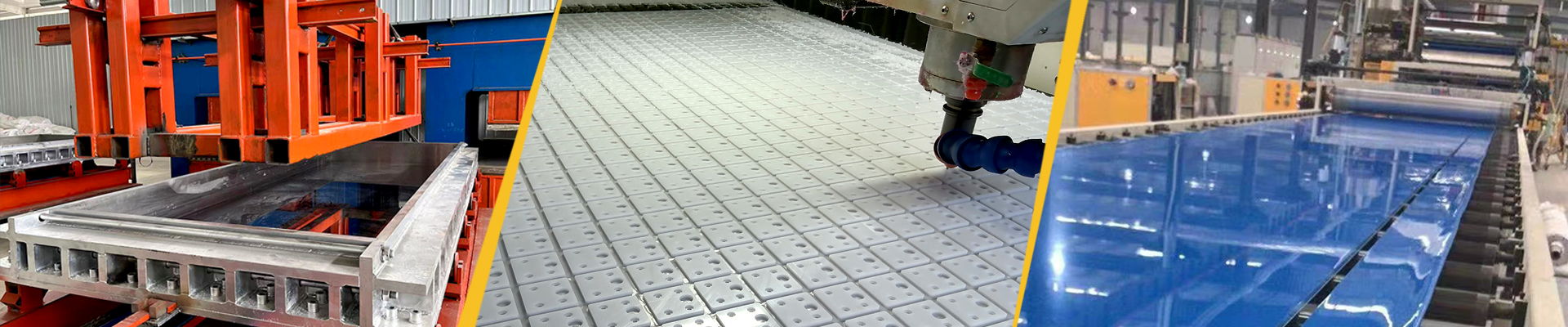
When selecting a PP sheet, it is crucial to ensure that the manufacturer adheres to strict quality control standards. Look for suppliers that are ISO certified and can provide test reports from reputable third-party organizations like SGS, ROHS, or FDA. This ensures that the material meets international environmental and safety requirements. Guangzhou uhmw-pe co.,ltd, for instance, operates multiple international-grade extrusion and mould pressing lines, with a rigorous quality management system that governs every step from raw material selection to final inspection. They can provide third-party test reports, giving you confidence in the material's performance and consistency.
Customization and Value-Added Services
In many projects, standard off-the-shelf PP sheets may not suffice. You may require custom dimensions, colors, or even special properties such as flame retardancy or antistatic characteristics. A supplier with robust customization capabilities can be invaluable. Guangzhou uhmw-pe co.,ltd offers a wide range of modification technologies, allowing them to produce PP sheets with special properties tailored to demanding operating conditions. They also have CNC machining centers and mold development facilities, enabling them to provide one-stop services from material selection to finished product machining. Whether you need a simple cut-to-size sheet or a complex machined part, they can deliver according to your drawings or specifications.
Cost-Effectiveness and Global Supply
While PP is generally affordable, the total cost of ownership includes factors like durability, maintenance, and replacement frequency. A high-quality PP sheet that lasts longer and performs better may be more cost-effective in the long run. Additionally, consider the supplier's ability to provide a stable supply, especially if you have ongoing needs. Guangzhou uhmw-pe co.,ltd has extensive export experience, with products sold to Southeast Asia, the Middle East, Europe, and the Americas. They have mature logistics and packaging capabilities, ensuring timely delivery and minimizing downtime.
Environmental Considerations
PP is a recyclable material, and many manufacturers are committed to sustainability. When selecting a PP sheet, inquire about the recyclability of the material and whether the manufacturer uses recycled content. Some suppliers also offer eco-friendly options that reduce environmental impact without compromising performance. Guangzhou uhmw-pe co.,ltd emphasizes environmental responsibility, aligning with global efforts to reduce plastic waste.
Conclusion
Selecting the best PP plastic sheet for your project requires a careful evaluation of your application's specific needs. By considering factors such as mechanical properties, chemical resistance, temperature range, dimensional stability, UV resistance, and safety requirements, you can narrow down the options. It is also essential to choose a reputable supplier that offers quality assurance, customization capabilities, and reliable supply. Whether you are in construction, food processing, or any other industry, the right PP sheet can provide long-lasting performance and cost savings. Remember to compare PP with other materials like UHMWPE, HDPE, or Nylon to ensure you are making the optimal choice. With the right information and a trusted partner, you can confidently select the best PP sheet for your project needs.