This article explores the thermal insulation properties of 10mm polypropylene (PP) sheets, highlighting their low thermal conductivity (around 0.22 W/m·K), which makes them effective barriers to heat transfer. The science behind their insulation performance is discussed, including how the material impedes conduction, convection, and radiation. A comparison with other materials shows that while PP is not the most efficient insulator per thickness, its combination of thermal resistance, mechanical strength, weather resistance, and chemical inertness makes it ideal for structural and semi-structural applications. The article emphasizes the manufacturing excellence of Guangzhou uhmw-pe co.,ltd, a specialized engineering plastics manufacturer, which ensures high-quality PP sheets through advanced production lines, rigorous quality control, and international certifications. Various applications are covered, including construction, cold storage, automotive, and synthetic ice rinks. Installation best practices and environmental/economic benefits are also detailed, noting PP's recyclability, durability, and cost-effectiveness. The conclusion positions 10mm PP sheets as a versatile and sustainable choice for thermal insulation, with Guangzhou uhmw-pe co.,ltd providing competitive, globally available solutions.
In the realm of modern materials engineering, the quest for effective thermal insulation solutions has never been more critical. Among the myriad of options available, polypropylene (PP) sheets have emerged as a versatile and efficient choice, particularly in the 10mm thickness variant. This article delves deep into the thermal insulation properties of 10mm polypropylene sheets, exploring the science behind their performance, their applications, and the manufacturing expertise that ensures their quality, with a special focus on the capabilities of Guangzhou uhmw-pe co.,ltd.
Understanding Polypropylene (PP) as an Insulating Material
Polypropylene is a thermoplastic polymer known for its exceptional balance of mechanical, chemical, and thermal properties. It is a lightweight material with a density typically ranging from 0.895 to 0.92 g/cm³, making it one of the lightest plastics. More importantly, for thermal insulation applications, polypropylene exhibits a low thermal conductivity, typically around 0.22 W/m·K. This intrinsic property means that PP is a poor conductor of heat, thereby acting as an effective barrier to heat transfer. The low thermal conductivity is attributed to the polymer's molecular structure, which consists of long chains with little free volume for phonon transmission. When manufactured into a 10mm sheet, this material provides a substantial thermal resistance, making it suitable for a wide range of insulating applications.
undefined
The thermal insulation performance of a material is often quantified by its R-value (thermal resistance) or U-value (thermal transmittance). For a 10mm polypropylene sheet, the R-value can be calculated by dividing the thickness by the thermal conductivity (in metric units). Assuming a thermal conductivity of 0.22 W/m·K, the R-value for a 10mm sheet is approximately 0.045 m²·K/W. While this may seem modest compared to specialized insulation foams, the material's other benefits—such as mechanical strength, weather resistance, and chemical inertness—make it an attractive option for structural and semi-structural insulation applications where combined properties are required.
The Science Behind PP Sheet 10mm Insulation
To fully appreciate the thermal insulation properties of a 10mm polypropylene sheet, it is essential to understand the three modes of heat transfer: conduction, convection, and radiation. Solid materials primarily conduct heat through phonon transfer (lattice vibrations) and free electrons. In polymers like polypropylene, the absence of free electrons and the tortuous molecular paths significantly impede phonon flow, resulting in low thermal conductivity. The 10mm thickness adds a substantial path length, further reducing the rate of heat conduction. Convection, on the other hand, is largely suppressed because the sheet is solid and non-porous, preventing air movement within the material. Radiative heat transfer can be mitigated by the material's surface properties; polypropylene typically has a moderate emissivity, which can be modified with coatings if needed. Thus, a 10mm PP sheet effectively addresses all three heat transfer mechanisms, providing a reliable thermal barrier.
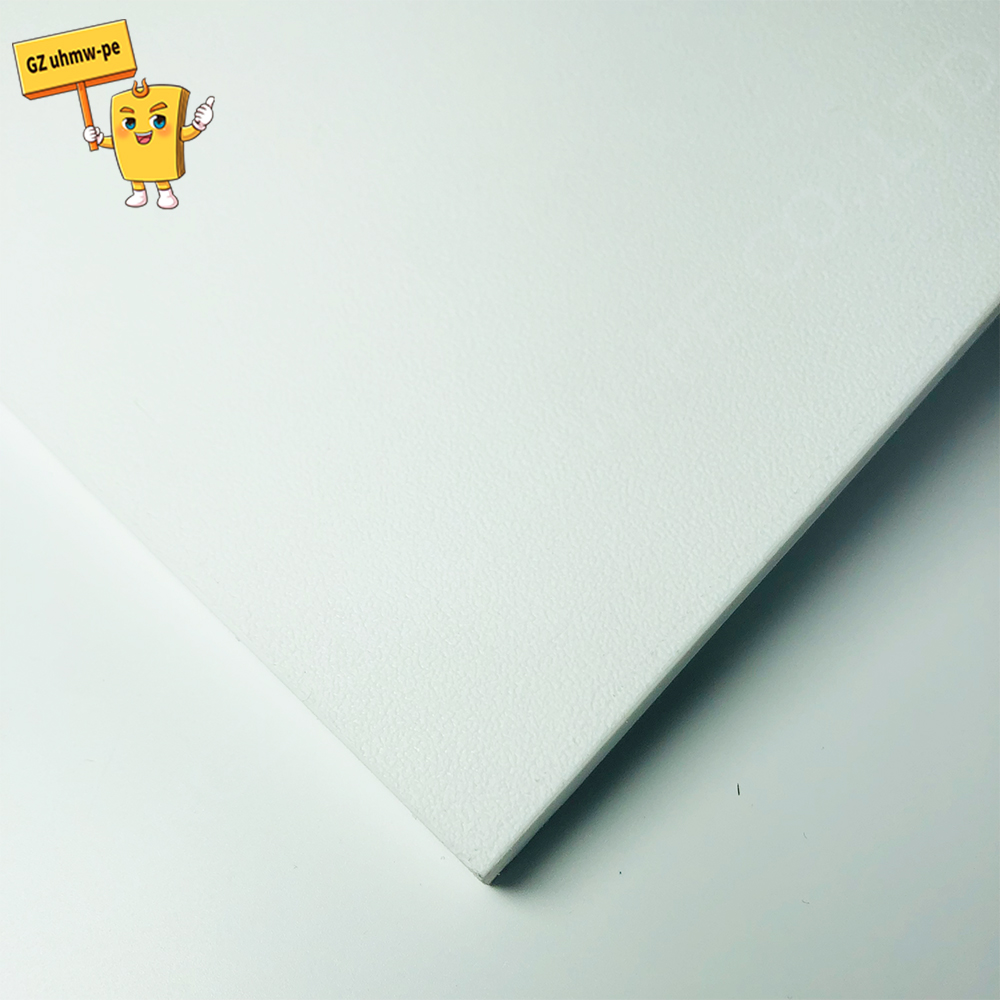
It is also important to note that the thermal performance of PP sheets can be influenced by temperature and environmental conditions. Polypropylene maintains its thermal insulation properties across a wide temperature range, from -30°C to 120°C, making it suitable for both cold and hot applications. However, at very high temperatures, the material may soften, reducing its structural integrity and potentially altering its insulation performance. Nonetheless, for standard building and industrial applications, 10mm PP sheets offer consistent and reliable thermal insulation.
Comparing 10mm PP Sheets with Other Materials
When selecting a thermal insulation material, it is crucial to compare the performance of 10mm polypropylene sheets with other common materials. The table below provides a comparative overview of thermal conductivity and typical R-values per 10mm thickness for various materials:
| Material | Thermal Conductivity (W/m·K) | R-Value per 10mm (m²·K/W) |
|---|---|---|
| Polypropylene (PP) | 0.22 | 0.045 |
| Polyethylene (PE) | 0.35 | 0.029 |
| Polyvinyl Chloride (PVC) | 0.19 | 0.053 |
| Polystyrene (PS) | 0.033 | 0.303 |
| Mineral Wool | 0.04 | 0.250 |
| Wood (Oak) | 0.16 | 0.063 |
As the table illustrates, while PP is not the best insulating material per unit thickness compared to foams like polystyrene or mineral wool, it offers a unique combination of thermal insulation, mechanical strength, and durability. In applications where the material must also serve as a structural component, such as wall panels, cold room linings, or protective covers, 10mm PP sheets provide a superior balance compared to brittle foams or heavier traditional materials.
Manufacturing Excellence at Guangzhou uhmw-pe co.,ltd
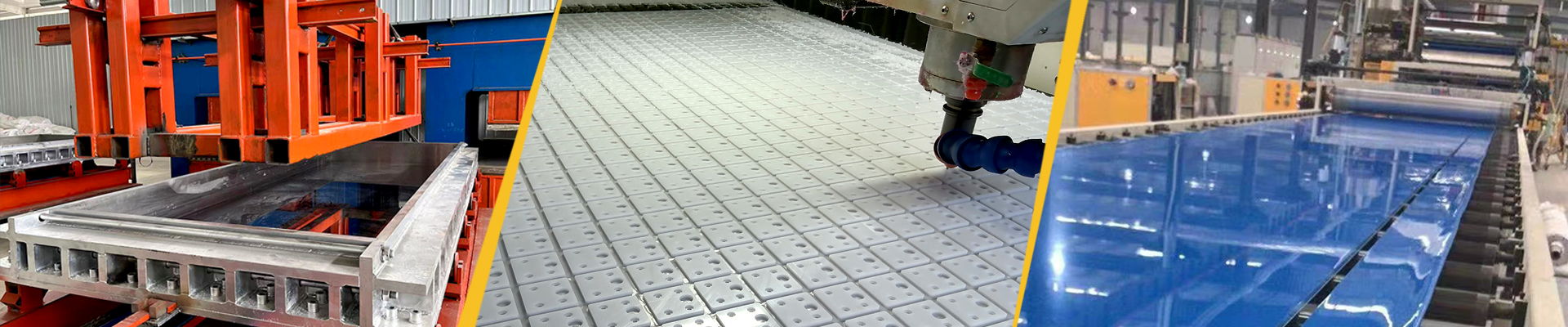
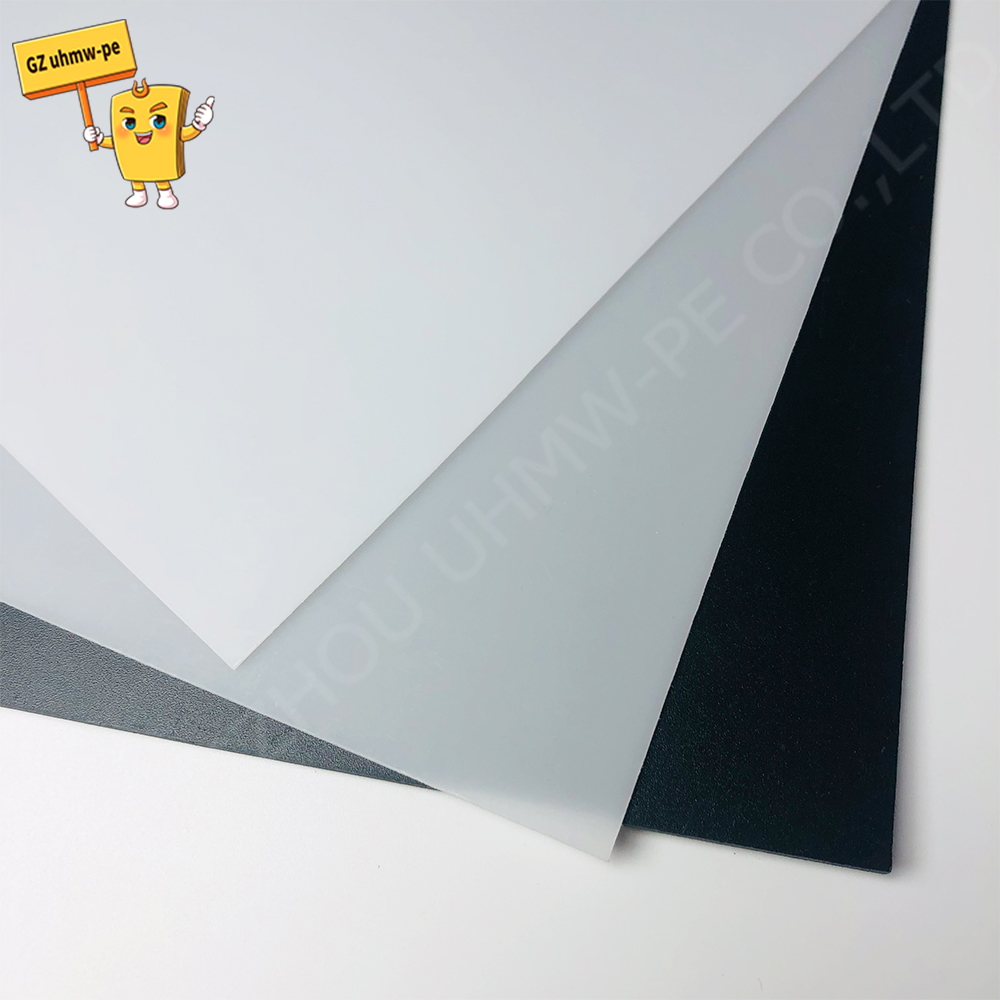
The performance of a 10mm polypropylene sheet is only as good as the quality of its manufacturing. Guangzhou uhmw-pe co.,ltd, a specialized manufacturer and solutions provider in the field of high-performance engineering plastics, stands out as a leader in this domain. Strategically located in Guangzhou, adjacent to the Pazhou International Convention and Exhibition Center, the company has built a strong reputation for quality, reliability, and precision over many years of dedicated service. They manufacture a comprehensive range of semi-finished and finished products from advanced plastic materials, including UHMWPE, HDPE, PP, Nylon, POM, and PTFE. Their standard offering covers sheets and rods in various grades and dimensions, with the 10mm PP sheet being a popular choice for thermal insulation applications.
Guangzhou uhmw-pe co.,ltd is equipped with advanced CNC machining centers, precision saws, and engraving equipment, allowing for the production of complex parts and assemblies exactly to customer specifications. The company operates multiple international-grade extrusion and mould pressing lines, along with dedicated testing facilities. A rigorous quality management system governs every step—from raw material selection to final inspection—ensuring consistent quality and performance. The company's commitment to quality is further underscored by typical ISO quality management system certification and the ability to provide third-party test reports from SGS, ROHS, FDA, and others, meeting international environmental and safety requirements. This manufacturing excellence ensures that the thermal insulation properties of their 10mm PP sheets are consistent and reliable.
Applications of 10mm Polypropylene Sheets in Thermal Insulation
The versatility of 10mm polypropylene sheets makes them suitable for a wide array of thermal insulation applications across different industries. In the construction sector, these sheets are used as thermal breakers, wall linings, and roof underlayments. Their moisture resistance and dimensional stability make them ideal for use in bathrooms, kitchens, and other high-humidity areas where traditional insulation materials might degrade. In cold storage facilities, 10mm PP sheets can be installed as interior linings to reduce thermal bridging and maintain consistent temperatures, especially when combined with other insulating materials. The material's resistance to chemicals and food-safe grades also make it a preferred choice for applications in food processing plants, where both thermal insulation and hygiene are paramount.
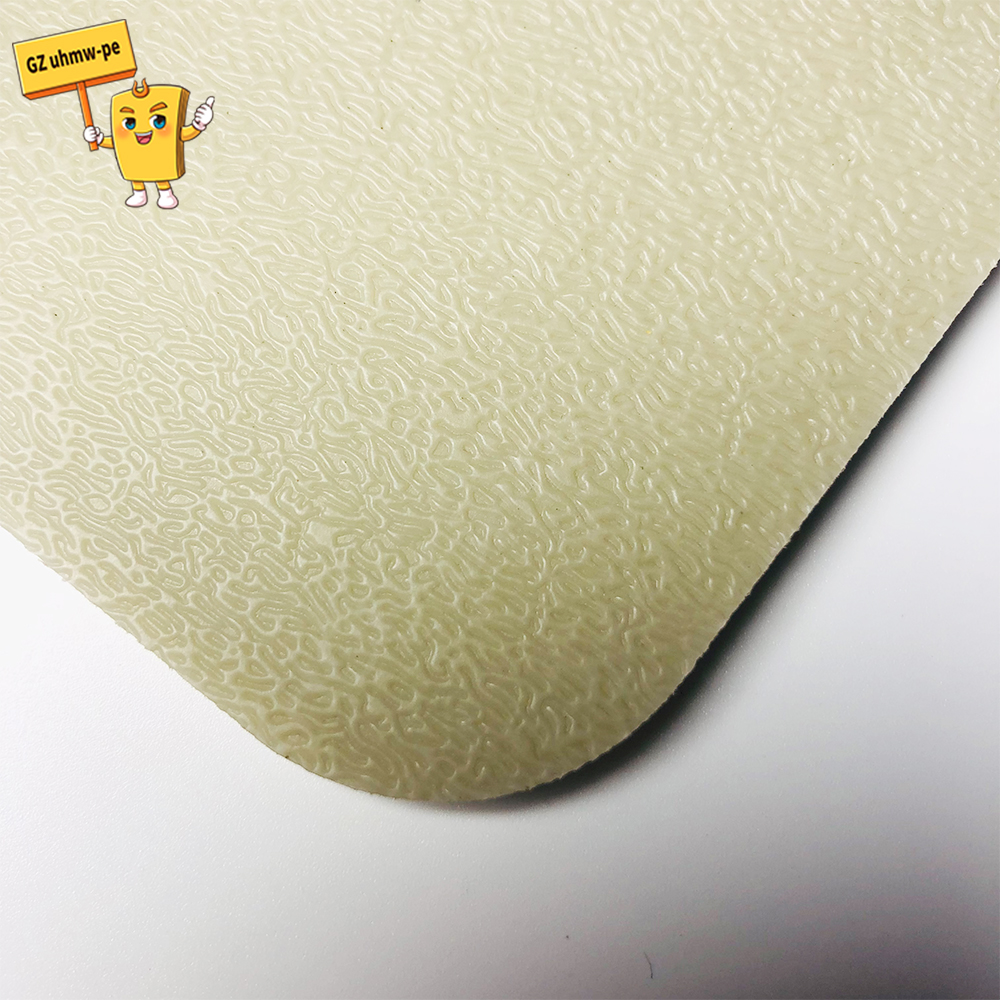
In the automotive industry, 10mm PP sheets are used for underbody heat shields, engine compartment insulators, and cabin floor insulation. Their lightweight nature contributes to overall vehicle fuel efficiency, while their thermal insulation properties enhance passenger comfort and protect sensitive components from excessive heat. The recreational sector also benefits from these sheets; for example, synthetic ice rink boards, which are among the finished products offered by Guangzhou uhmw-pe co.,ltd, utilize the insulating properties of PP to maintain a consistent surface temperature, ensuring a smooth skate experience. Additionally, the company's ground protection mats and outrigger pads, while not primarily designed for insulation, still offer secondary thermal benefits in outdoor applications, protecting equipment and surfaces from heat transfer.
Installation and Best Practices
To maximize the thermal insulation benefits of 10mm polypropylene sheets, proper installation is essential. The sheets should be cut to fit precisely, with minimal gaps to avoid air leakage and thermal bridging. It is recommended to seal joints with a suitable adhesive or tape to create a continuous barrier. In applications where the sheets are exposed to external elements, UV-resistant grades of PP should be used, as prolonged sunlight exposure can degrade the material over time. When installing PP sheets as part of a composite insulation system, it is important to consider the placement of the vapour barrier to prevent condensation, which can compromise the material's thermal performance. For structural applications, the sheets should be adequately supported to prevent flexing, which could create gaps and reduce insulation effectiveness. Following these best practices ensures that the material's intrinsic thermal properties are fully realized.
Environmental and Economic Benefits
Beyond their thermal insulation capabilities, 10mm polypropylene sheets offer significant environmental and economic advantages. Polypropylene is fully recyclable, and at the end of its service life, it can be reprocessed into new products, reducing waste and conserving resources. The lightweight nature of PP sheets also reduces transportation costs and emissions, making it a greener choice compared to heavier materials. Moreover, the durability and low maintenance requirements of PP sheets contribute to a lower total cost of ownership. By replacing frequently worn metal parts or less durable materials, PP sheets extend equipment service life and reduce downtime. The material's chemical resistance also minimizes the need for protective coatings or treatments, further lowering lifecycle costs.
Guangzhou uhmw-pe co.,ltd's commitment to cost-effectiveness and global supply experience ensures that customers receive competitive pricing without compromising on quality. Compared to similar engineering plastic brands in Europe and the United States, the company offers significant cost savings while maintaining high standards. With products sold to regions including Southeast Asia, the Middle East, Europe, and the Americas, the company possesses mature logistics, packaging, and foreign trade documentation capabilities, enabling a stable supply to global customers. This global reach, combined with rigorous quality control and a customer-centric approach, makes Guangzhou uhmw-pe co.,ltd a trusted partner for engineered plastic solutions.
Conclusion
In conclusion, the thermal insulation properties of 10mm polypropylene sheets are well-suited for a variety of applications where a combination of thermal resistance, mechanical strength, and durability is required. While PP may not achieve the ultra-low thermal conductivity of specialized insulating foams, its balanced properties, ease of fabrication, and environmental benefits make it an excellent choice for many projects. The 10mm thickness provides a practical balance between insulation performance and structural function, and with high-quality manufacturing from companies like Guangzhou uhmw-pe co.,ltd, these sheets deliver reliable and consistent results. As the demand for energy-efficient and sustainable materials continues to grow, polypropylene sheets are poised to play an increasingly important role in the thermal insulation landscape.
For engineers, architects, and procurement specialists seeking a dependable thermal insulation material that also offers structural resilience, 10mm PP sheets from Guangzhou uhmw-pe co.,ltd represent a compelling solution.