This article examines the thermal insulation properties of High-Density Polyethylene (HDPE) panels in cold storage applications. HDPE boasts low thermal conductivity (0.45–0.52 W/m·K for solid sheets, and as low as 0.15 W/m·K for foamed variants) combined with excellent moisture resistance, making it ideal for environments requiring consistent temperatures and hygiene. The material's closed-cell structure prevents condensation and ice buildup, while its impact resistance and chemical inertness ensure long service life. HDPE panels are used as linings in walls, floors, and ceilings of cold rooms, refrigerated warehouses, and transport containers. They contribute to energy efficiency by reducing thermal bridging, cutting cooling costs by up to 30%. The article highlights Guangzhou uhmw-pe co.,ltd, a specialized manufacturer offering custom HDPE panels with antistatic, flame-retardant, and UV-stabilized grades. The company's advanced production lines produce panels up to 6 meters, and CNC machining allows precise custom shapes for airtight sealing. Quality assurance includes ISO certification and third-party reports from SGS, ROHS, and FDA, ensuring consistent performance. Compared to polyurethane foam or fiberglass, HDPE panels offer superior durability and moisture resistance, outweighing their slightly higher thermal conductivity in many cold storage scenarios. With global export experience, the company provides tailored solutions for diverse temperature ranges, supporting energy-efficient and hygienic cold storage operations worldwide.
High-Density Polyethylene (HDPE) has emerged as a material of choice for cold storage applications, offering exceptional thermal insulation, moisture resistance, and durability. As industries demand energy-efficient and hygienic solutions, HDPE panels provide a reliable barrier against thermal transfer, reducing cooling costs and maintaining stable temperatures. This article explores the thermal insulation properties of HDPE panels in cold storage, highlighting their benefits, mechanisms, and real-world applications.
Understanding HDPE as an Insulating Material
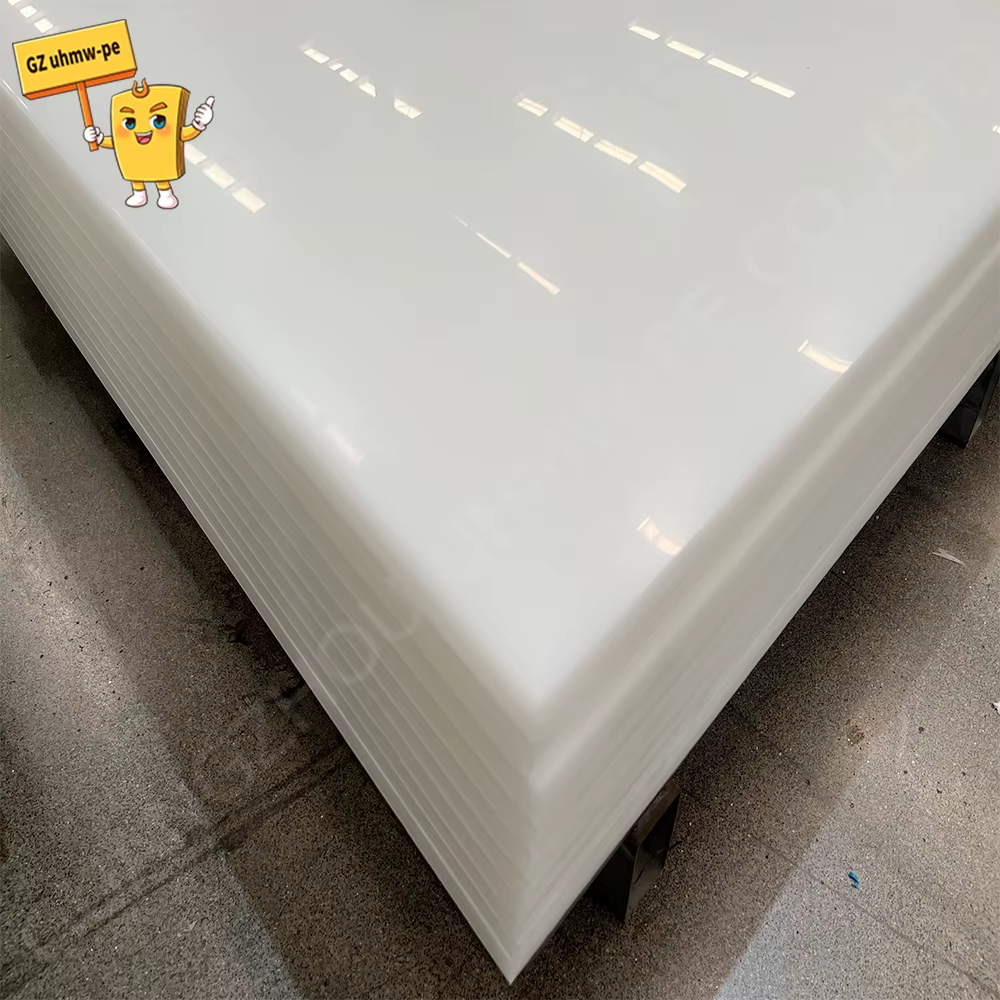
HDPE is a thermoplastic polymer known for its high strength-to-density ratio. Its molecular structure features closely packed chains, resulting in low thermal conductivity—typically in the range of 0.45–0.52 W/m·K. While not as low as traditional foam insulations, the combination of low conductivity, thickness, and multi-layer structures enables HDPE panels to effectively minimize heat transfer. The material's closed-cell nature also prevents moisture absorption, which is critical in cold environments where condensation can degrade insulation.
Thermal Conductivity and Insulation Performance
The thermal insulation performance of HDPE panels is influenced by density, thickness, and surface treatments. Standard HDPE sheets offer moderate insulation, but specialized formulations can enhance performance. For instance, foamed HDPE panels incorporate air pockets to lower conductivity to 0.15–0.30 W/m·K. Additionally, reflective coatings or laminates with aluminum foil can further reduce radiant heat transfer. In cold storage, HDPE panels are often used as lining or cladding over primary insulation layers, providing a smooth, easy-to-clean surface while adding thermal resistance.
Benefits of HDPE Panels in Cold Storage Insulation
HDPE panels offer several advantages over conventional materials like metal or fiberglass in cold storage settings. First, their moisture resistance prevents ice buildup and mold growth, ensuring consistent insulation values. Second, the material is chemically inert and food-safe, making it ideal for refrigerated food storage. Third, HDPE is impact-resistant and durable, withstanding thermal cycling and physical stress without cracking or warping. Fourth, installation is straightforward using interlocking or adhesive systems, reducing labor and maintenance.
undefined
Energy Efficiency and Cost Savings
By reducing thermal bridging and maintaining a stable interior temperature, HDPE panels lower the workload on refrigeration units, leading to significant energy savings. A well-insulated cold storage facility can reduce energy consumption by up to 30% compared to traditional insulation methods. Over the lifespan of the facility, the cost benefits in electricity and reduced compressor wear far outweigh the initial investment in high-quality HDPE panels.
Application Scenarios in Cold Storage
HDPE panels are widely used in cold storage walls, ceilings, and floors. Typical applications include walk-in coolers, freezer rooms, refrigerated warehouses, and transport containers. In these environments, panels serve both as thermal insulation and as a protective liner against moisture, chemicals, and impact. For example, in floor linings, HDPE sheets withstand heavy pallet traffic and washdowns while preventing cold transfer to the subfloor.
Customization for Optimal Performance
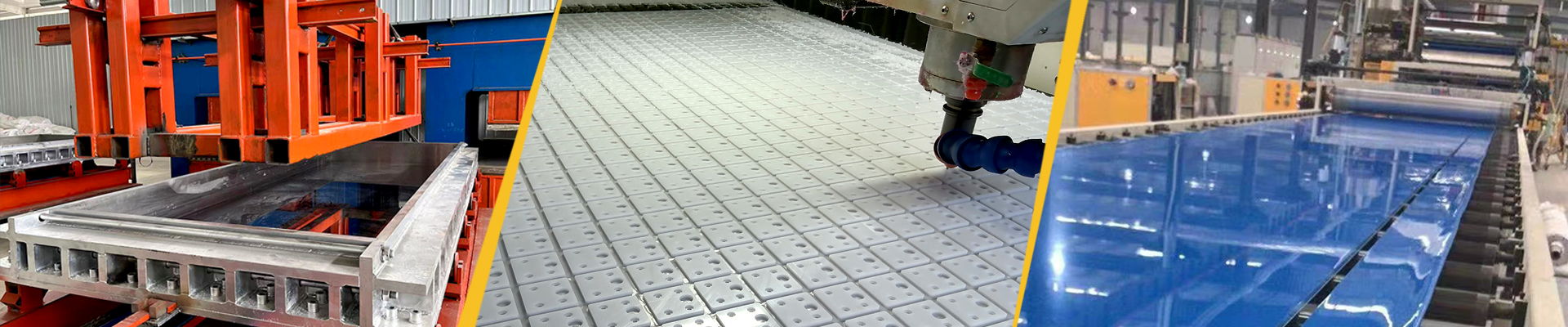
Manufacturers like Guangzhou uhmw-pe co.,ltd offer tailored HDPE solutions for cold storage. They produce sheets in various grades, including antistatic, flame-retardant, and UV-stabilized options. Their HDPE panels can be machined to precise dimensions, with edge treatments for seamless joining. The company's advanced production lines can manufacture panels up to 6 meters in length, allowing seamless installation in large cold rooms. In addition, their CNC machining capabilities enable custom-shaped parts, such as door frames and corner guards, ensuring airtight sealing and minimal thermal loss.
Quality Assurance and Certifications
Quality control is paramount for insulation materials. Guangzhou uhmw-pe co.,ltd operates under ISO quality management systems and provides third-party test reports (SGS, ROHS, FDA) to verify thermal performance and safety. Their HDPE panels undergo rigorous testing for thermal conductivity, moisture absorption, and dimensional stability. This ensures consistent performance in demanding cold storage environments.
Comparison with Other Insulation Materials
| Material | Thermal Conductivity (W/m·K) | Moisture Resistance | Durability | Food Safety |
|---|---|---|---|---|
| HDPE (solid) | 0.45–0.52 | Excellent | High | Yes |
| Foamed HDPE | 0.15–0.30 | Excellent | High | Yes |
| Polyurethane Foam | 0.022–0.028 | Moderate | Low (fragile) | Varies |
| Fiberglass | 0.040–0.045 | Poor (absorbs moisture) | Moderate | No (irritant) |
While polyurethane foam offers lower conductivity, HDPE panels provide superior moisture resistance and mechanical strength. In cold storage, where hygiene and longevity are critical, HDPE's advantages often outweigh the slightly higher thermal conductivity.
Global Supply and Expertise
Guangzhou uhmw-pe co.,ltd has extensive experience exporting HDPE panels to cold storage facilities worldwide. Their products are used in Southeast Asia, Europe, and the Americas. The company offers comprehensive logistics support, ensuring safe packaging and timely delivery. With a team of material science experts, they assist customers in selecting the right grade and thickness for specific temperature ranges, from -40°C to +80°C.
Their customization services extend to surface treatments such as embossing for anti-slip properties or coating for enhanced UV resistance. Whether for a large warehouse or a small refrigerated truck, the company provides end-to-end solutions from material selection to final machining.
Conclusion
HDPE panels are a practical and efficient choice for cold storage insulation, combining moderate thermal resistance with outstanding moisture resistance, durability, and food safety. While not the lowest thermal conductivity material, their overall performance in realistic cold storage conditions—resisting condensation, impact, and microbial growth—makes them a preferred option. Companies like Guangzhou uhmw-pe co.,ltd play a pivotal role by offering high-quality, customizable HDPE panels backed by rigorous quality control and global supply chains. As energy efficiency and hygiene become increasingly important, HDPE panels will continue to be a key component in modern cold storage design.