Dump trucks and bulk-material transport vehicles operate in demanding conditions. Gravel, ore, sand, coal and wet soil can abrade the truck body, while sticky loads may remain behind during unloading. A properly specified UHMWPE truck bed liner can provide a low-friction, wear-resistant surface between the cargo and the steel body. The right liner depends on the material being transported, impact conditions, temperature and vehicle design.
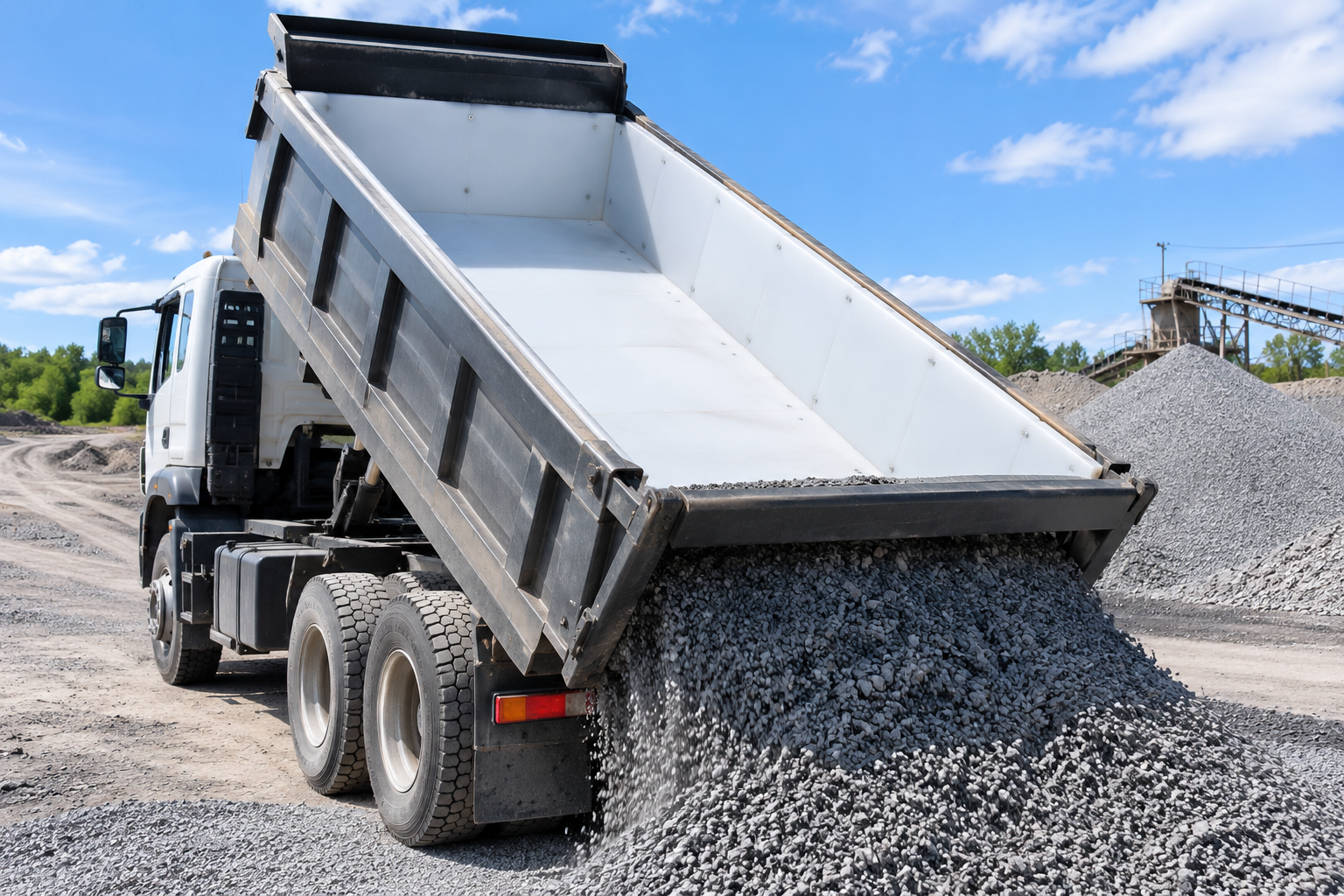
Table of Contents
- What Is a UHMWPE Truck Bed Liner?
- Key Benefits of UHMWPE Liners
- Typical Truck and Trailer Applications
- Liner Design and Installation Considerations
- How to Select the Right Liner
- Custom Cutting and Fabrication
- Frequently Asked Questions
- Request a UHMWPE Liner Quote
What Is a UHMWPE Truck Bed Liner?
UHMWPE (ultra-high-molecular-weight polyethylene) is an engineering plastic known for its abrasion resistance, impact toughness and low-friction surface. In transport applications, sheet panels may be fitted to the floor and selected walls of a dump body, trailer or material-handling vehicle.
The liner acts as a replaceable protective layer rather than a structural substitute for the vehicle body. Panel dimensions, thickness, fastening details and support conditions should be designed for the specific truck and cargo.
Explore UHMWPE and polyethylene products from GUANGZHOU UHMW-PE CO.,LTD for sheet and custom plastic fabrication options.
Key Benefits of UHMWPE Liners
- Sliding wear resistance: Helps resist abrasion from repeated movement of bulk cargo.
- Low friction: Can help material slide across the liner surface during discharge, depending on cargo and operating conditions.
- Impact toughness: Offers toughness for many demanding handling environments; severe point impacts still require engineering review.
- Corrosion resistance: Polyethylene does not rust like steel and resists many common substances.
- Replaceable lining: Damaged or worn panels may be replaced without replacing the entire truck body, subject to installation design.
Actual service life and unloading performance vary with material grade, cargo abrasiveness, moisture, temperature, loading method and liner installation.
Typical Truck and Trailer Applications
Dump Trucks Carrying Aggregate
Sand, gravel and crushed stone can create sliding abrasion during loading, transport and tipping. A suitable liner can protect selected body surfaces from direct cargo contact.
Mining and Quarry Transport
Ore and mineral materials are often abrasive and heavy. Liner selection should consider both sliding wear and impact at loading points. UHMWPE may be suitable for sliding zones, while impact areas may need a different protection strategy.
Coal, Soil and Bulk Agricultural Loads
Some damp or cohesive materials can cling to a bare metal body. A low-friction polymer surface may assist discharge, but it cannot guarantee that every load will release completely; moisture, particle size and truck-body geometry remain important.
Trailers and Transfer Vehicles
Custom panels can be considered for selected trailer floors, transfer bins and other bulk-handling surfaces where wear protection and easier material movement are priorities.
Liner Design and Installation Considerations
- Measure the truck body accurately, including sloped walls, corners and existing ribs.
- Review cargo weight, particle size, loading height and impact concentration.
- Choose a fastening method and hole pattern compatible with the vehicle structure.
- Allow for polyethylene thermal expansion and avoid over-constraining panels.
- Check tailgate clearance, drainage, joints and maintenance access.
- Confirm operating temperature and chemical exposure against the selected grade's technical data.
Installation should be reviewed by a qualified vehicle or equipment professional. A liner must not interfere with safe operation, payload limits, body structure or manufacturer requirements.
How to Select the Right UHMWPE Liner
Before purchasing, define the cargo and operating conditions. Thickness should not be selected from a generic chart alone: impact severity, unsupported spans, body geometry and fastening design all affect performance.
Ask the supplier to confirm material grade, sheet dimensions, thickness tolerance, surface finish, available colors, fabrication options and technical documentation. Where the application is critical, evaluate a sample or conduct a controlled trial.
Custom Cutting and Fabrication
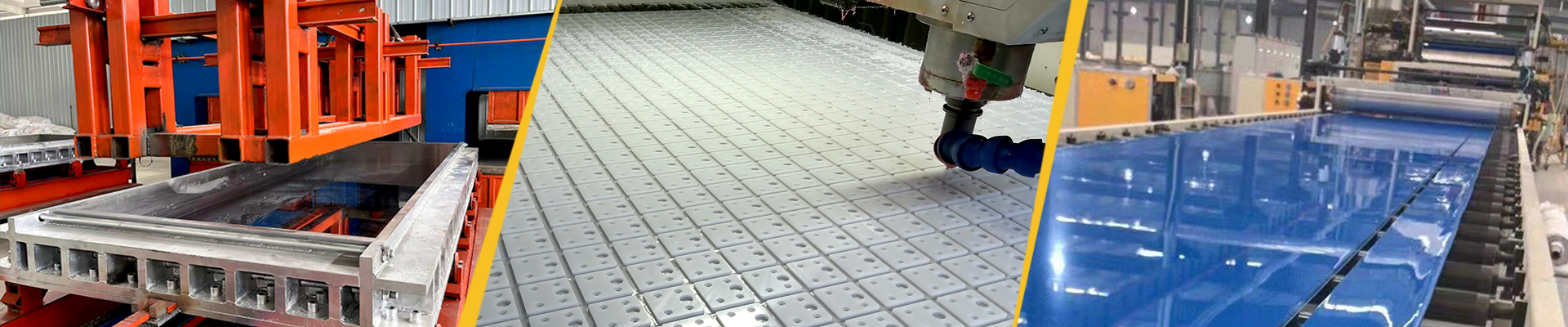
UHMWPE sheets can be supplied for cut-to-size lining projects, subject to manufacturing capability and drawing review. Custom work may include panel cutting, drilling, countersinking and CNC machining. Provide a drawing or template, quantity, hole locations and vehicle model or body measurements when requesting a quotation.
Frequently Asked Questions
Can UHMWPE liners help cargo unload more easily?
The low-friction surface may assist sliding for suitable materials. Results depend on cargo moisture, cohesion, body angle, temperature and liner condition.
Are UHMWPE liners suitable for every truck load?
No. Very high temperatures, concentrated impact, sharp oversized rocks or unusual chemical exposure may require a different material or a hybrid liner design.
Can liner panels be made to fit my truck?
Custom dimensions and machining can be discussed using your measurements or drawings. Confirm available panel size and processing tolerances before ordering.
How do I choose the thickness?
Thickness depends on cargo, impact, support spacing, body design and expected duty cycle. Share the operating details with the manufacturer for application-specific guidance.
Request a UHMWPE Truck Bed Liner Quote
Planning a liner for a dump truck, trailer or bulk-material vehicle? Send the cargo type, truck-body dimensions, required thickness, quantity, fastening details and working conditions to the UHMWPLAST team. These details help us review a suitable sheet or custom-fabricated liner solution.